ENVIRONMENTAL CONSERVATION
metrics 2024
Empowering Solutions for a Healthier Planet
Introduction
ENVIRONMENTAL CONSERVATION, published by Cambridge University Press, is a premier academic journal dedicated to advancing the field of environmental science and conservation. Since its inception in 1974, this journal has established a robust reputation, currently holding prestigious rankings in various categories including Q1 in Nature and Landscape Conservation and Q1 in Water Science and Technology, alongside notable Q2 rankings across several related fields. With its broad scope, ENVIRONMENTAL CONSERVATION covers critical topics in health, toxicology, pollution control, and environmental policy, making it an essential resource for researchers, professionals, and students aiming to address the pressing challenges of environmental sustainability. Despite not being an open-access journal, its impactful content, demonstrated by its significant positions in Scopus rankings, enhances scholarly discourse and informs policy worldwide. As we approach its 50th anniversary, this journal remains pivotal in fostering innovative research and promoting best practices in environmental stewardship.
Metrics 2024
 0.732.203.0099
Metrics History
Rank 2024
Scopus
IF (Web Of Science)
JCI (Web Of Science)
Quartile History
Similar Journals
Annual Review of Environment and Resources
Transforming research into actionable insights.Annual Review of Environment and Resources, published by Annual Reviews, is a premier peer-reviewed journal dedicated to advancing the field of environmental science. With an impressive impact factor and recognition as a Q1 journal in Environmental Science, it ranks #2 out of 233 in Scopus, placing it in the 99th percentile of its category. Since its inception in 2003, the journal has provided comprehensive, accessible, and high-quality reviews that synthesize key developments and emerging trends in environmental science, making it an essential resource for researchers, professionals, and students alike. The journal is committed to promoting open access to vital research, reflecting the increasing demand for transparency in scientific communication. With its dedicated editorial team and extensive network of experts, the Annual Review of Environment and Resources continues to shape the discourse on environmental sustainability and resource management.

Euro-Mediterranean Journal for Environmental Integration
Fostering Collaboration to Tackle Environmental Challenges Head-OnThe Euro-Mediterranean Journal for Environmental Integration, published by SPRINGER HEIDELBERG, serves as a pivotal platform for interdisciplinary research in the realm of environmental science, particularly focused on the unique ecological and socio-economic context of the Euro-Mediterranean region. With its ISSN 2365-6433 and E-ISSN 2365-7448, this journal aims to foster a collaborative approach to environmental challenges, integrating insights from various fields such as ecology, geography, and sustainable development. Since its inception in 2016, it has made significant strides, achieving a Q3 ranking in Environmental Science and maintaining a notable position within the Scopus rankings, sitting at #102 out of 233 in the general environmental science category, which reflects its growing influence in academic discourse. The journal is committed to open dialogue among researchers, professionals, and students aimed at advancing knowledge and promoting innovative solutions to pressing environmental issues. Access to its comprehensive articles and findings will be key to contributing to a more sustainable future.

ENVIRONMENTAL REVIEWS
Fostering Innovation in Environmental DiscourseENVIRONMENTAL REVIEWS, published by Canadian Science Publishing, is a leading academic journal dedicated to the field of Environmental Science. With an impressive 2023 Q1 ranking in Environmental Science (miscellaneous) and a Scopus rank of #30 out of 233, it reflects the journal's substantial influence and contribution to the discourse on environmental issues. Launched in 1993, this journal provides a platform for critical reviews and innovative research in areas ranging from ecological sustainability to environmental policy, ensuring that it remains at the forefront of scientific inquiry. Although it currently does not offer open access, ENVIRONMENTAL REVIEWS continues to cater to a diverse readership of researchers, professionals, and students, fostering knowledge exchange essential for tackling contemporary environmental challenges. This journal not only strives to disseminate crucial findings but also aims to inspire informed decision-making and practical solutions to promote ecological welfare.
JOURNAL OF COASTAL CONSERVATION
Advancing coastal ecosystems through research and innovation.JOURNAL OF COASTAL CONSERVATION, published by SPRINGER, is a premier academic journal dedicated to the study and promotion of coastal ecosystem management and conservation strategies. With a rich publication history beginning in 1995 and spanning over multiple converged years, this journal serves as a vital platform for researchers and professionals in the fields of Ecology, Nature and Landscape Conservation, and Oceanography. Recognized for its impactful contributions, it holds a Q2 ranking in multiple categories for 2023, including Ecology and Oceanography, underscoring its significance in advancing knowledge and practice in coastal conservation. With a commitment to delivering high-quality, peer-reviewed articles, the journal facilitates discourse on critical issues affecting coastal environments, making it an essential resource for scholars and practitioners looking to enhance the sustainability and resilience of coastal habitats. The journal provides broad access to vital research findings, ensuring that both the academic community and policy-makers have the information necessary to address the pressing challenges facing coastal regions worldwide.

Conservation Letters
Leading the Charge in Open Access Conservation KnowledgeConservation Letters, published by Wiley, is a premier peer-reviewed journal dedicated to advancing the field of conservation science. As an Open Access journal since 2015, it provides researchers, practitioners, and policymakers with immediate access to cutting-edge research and insights that shape effective conservation strategies globally. With an impressive impact factor and a distinguished standing in the academic community—ranking in the Q1 category in disciplines such as Ecology, Evolution, and Nature Conservation—the journal plays a vital role in disseminating high-quality research that informs environmental practices. Based in the United States, it encompasses a broad scope of topics aimed at bridging scientific findings with real-world applications, effectively contributing to the understanding and preservation of biodiversity. Researchers looking to publish innovative work in an influential platform will find Conservation Letters an essential venue for ensuring their research reaches an engaged international audience.
Landscape and Ecological Engineering
Bridging ecology and engineering for sustainable development.Landscape and Ecological Engineering, published by SPRINGER JAPAN KK, is a vital journal that serves as a platform for the dissemination of innovative research and methodologies in the fields of landscape ecology and environmental engineering. With an ISSN of 1860-1871 and E-ISSN 1860-188X, this journal showcases articles that address the dynamic interplay between ecological processes and engineering designs in both natural and urban environments. As a significant publication since its inception in 2006, it is recognized in the Q2 quartile for Ecology and Nature and Landscape Conservation, alongside its placement in the Q3 quartile for Management, Monitoring, Policy, and Law, ensuring its relevance across multiple dimensions of environmental studies. The journal's presence in prominent databases, reflected in its Scopus rankings, highlights its commitment to high-quality, impactful research that guides conservation strategies and landscape management practices. Engaging with Landscape and Ecological Engineering provides researchers, professionals, and students with critical insights and developments, promoting sustainable solutions for ecological challenges. This journal is an essential resource for anyone seeking to enhance their understanding of ecological engineering approaches and landscape conservation efforts.
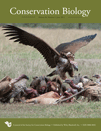
CONSERVATION BIOLOGY
Advancing ecological insights for a sustainable future.CONSERVATION BIOLOGY, published by Wiley, is a leading journal in the field of ecology and conservation, with a focus on disseminating high-quality research that addresses pressing environmental challenges. With a strong impact factor and categorized in the top quartile (Q1) across various relevant fields including Ecology, Evolution, Behavior and Systematics, and Nature and Landscape Conservation, the journal plays a pivotal role in advancing the scientific understanding of biodiversity and conservation practices. Since its establishment in 1987, CONSERVATION BIOLOGY has provided a vital platform for researchers, professionals, and students to share innovative findings and facilitate discussions surrounding ecological sustainability and conservation strategies. Although it is not an open-access publication, it ensures that a wide range of significant research is accessible to the global scientific community. The journal’s rigorous peer-review process and reputation for excellence make it an essential resource for anyone involved in the study of ecology and conservation.
INTERNATIONAL FORESTRY REVIEW
Championing Research for Sustainable EcosystemsINTERNATIONAL FORESTRY REVIEW, published by the Commonwealth Forestry Association, stands as a vital resource for researchers, professionals, and students in the fields of ecology, forestry, and environmental science. With an ISSN of 1465-5489 and a robust E-ISSN of 2053-7778, this journal has been disseminating impactful research since its inception in 1999, and continues to do so into 2024. The journal enjoys a prominent Q2 ranking across multiple categories in 2023, including Ecology, Forestry, and Geography, Planning and Development, reflecting its significance in the scholarly community. Although it operates on a traditional access model, the content published is pivotal for advancing knowledge and addressing pressing issues in forest management and sustainability. Situated in the United Kingdom, the journal aims to provide a multidisciplinary platform that encourages collaboration among researchers and practitioners, ultimately fostering sustainable forestry practices worldwide.
AQUATIC CONSERVATION-MARINE AND FRESHWATER ECOSYSTEMS
Advancing aquatic knowledge for a sustainable future.AQUATIC CONSERVATION-MARINE AND FRESHWATER ECOSYSTEMS, published by WILEY, is a premier international journal dedicated to advancing the understanding of aquatic ecosystems and their conservation. With an impact factor reflecting its significant influence and a distinguished position in the Q1 quartile across key categories such as Aquatic Science, Ecology, and Nature and Landscape Conservation, this journal serves as an essential resource for researchers and professionals engaged in the study and protection of marine and freshwater environments. Covering a broad array of topics, from ecosystem management to conservation strategies, the journal encourages the dissemination of innovative research and interdisciplinary perspectives. Although it is not an open-access publication, this journal is esteemed for its rigorous peer-review process, facilitating a platform where vital research influences policy and practice in the aquatic sciences. Established in 1991, AQUATIC CONSERVATION continues to be a cornerstone in the academic exploration and safeguarding of aquatic ecosystems through to its converged years of 2024 and beyond, providing a critical lens for the future of environmental sustainability.

Frontiers in Conservation Science
Unleashing Knowledge for Effective Conservation StrategiesFrontiers in Conservation Science, published by Frontiers Media SA in Switzerland, is an esteemed open-access journal dedicated to advancing research in the field of conservation science. With an E-ISSN of 2673-611X, this journal aims to facilitate the exchange of knowledge among researchers, professionals, and students by publishing high-quality, peer-reviewed articles that explore innovative solutions to contemporary conservation challenges. Since its establishment in 2020, the journal has rapidly ascended to a Q2 ranking in the Nature and Landscape Conservation category, reflecting its commitment to impactful scholarship, as evidenced by its Scopus rank of #93 out of 211 in Environmental Science and a 56th percentile ranking. By promoting open access, Frontiers in Conservation Science ensures that vital research is widely disseminated, fostering collaboration and informed decision-making in the conservation community. This journal is a crucial platform for those dedicated to understanding and preserving our planet's biodiversity and landscapes.