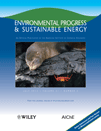
Environmental Progress & Sustainable Energy
metrics 2024
Championing research that fuels environmental stewardship.
Introduction
Environmental Progress & Sustainable Energy, published by WILEY, is an influential journal dedicated to the crucial fields of environmental science and sustainable energy. Since its inception in 2009, this journal has consistently aimed to advance knowledge and understanding of innovative approaches and technologies that promote sustainability across various sectors. With an impact factor reflective of its strong academic contributions, the journal is catapulted into Q2 and Q3 quartiles across multiple categories, including Chemical Engineering and Environmental Science, demonstrating its central role in the dialogue surrounding pressing environmental issues. Researchers and professionals can access its cutting-edge studies through both traditional and open access options, facilitating the dissemination of knowledge globally. Addressed to an array of stakeholders from academia and industry alike, Environmental Progress & Sustainable Energy is not only a repository of research but also a platform for transformative ideas that aim to pave the way for a more sustainable future, making it an essential resource for those committed to the interplay of environmental stewardship and energy innovation.
Metrics 2024
 0.492.102.2077
Metrics History
Rank 2024
Scopus
IF (Web Of Science)
JCI (Web Of Science)
Quartile History
Similar Journals
JOURNAL OF THE ENERGY INSTITUTE
Pioneering Research in Energy Engineering and TechnologyJOURNAL OF THE ENERGY INSTITUTE, published by Elsevier Science Ltd, is a leading interdisciplinary journal dedicated to the advancing fields of energy engineering and technology. With its ISSN 1743-9671 and E-ISSN 1746-0220, this journal has established a prominent reputation, evident from its impressive impact factor and strong rankings across multiple categories, achieving Q1 status in fields such as Condensed Matter Physics, Control and Systems Engineering, and Energy Engineering and Power Technology. As a pivotal resource for researchers, professionals, and students alike, the journal covers a comprehensive spectrum of topics in energy, including recent innovations in renewable energy technologies, sustainable practices, and advancements in fuel technologies. Researchers are encouraged to explore its open-access options for broad dissemination of knowledge, contributing to a more sustainable and energy-efficient future. With a converged history from 2004 to 2024, the JOURNAL OF THE ENERGY INSTITUTE remains a critical platform for cutting-edge research and development in the energy sector, promoting impactful solutions to global energy challenges.
International Journal of Energy and Environmental Engineering
Innovating Today for a Greener TomorrowInternational Journal of Energy and Environmental Engineering, published by SPRINGER HEIDELBERG, is a leading platform for innovative research in the fields of energy and environmental engineering. With an ISSN of 2008-9163 and an E-ISSN of 2251-6832, this journal is dedicated to advancing knowledge and technology that intersects both energy and environmental disciplines. Recognized in the Q2 category for 2023 in both Energy (miscellaneous) and Environmental Engineering, this interdisciplinary journal aims to address global challenges in energy sustainability and environmental protection. The journal also boasts strong Scopus rankings, standing at Rank #73 in Environmental Science and Rank #28 in General Energy, highlighting its influential role within the academic community. Researchers, professionals, and students are encouraged to contribute and engage with cutting-edge studies that push the boundaries of knowledge and innovation in energy and environmental engineering.
ENVIRONMENTAL SCIENCE AND POLLUTION RESEARCH
Transforming Environmental Insights into Actionable SolutionsEnvironmental Science and Pollution Research is a premier international journal published by Springer Heidelberg, dedicated to advancing knowledge in the field of environmental science and pollution. With an impressive impact factor reflecting its vital contributions to research, the journal is categorized in the top quartiles (Q1 and Q2) across several domains, including Health, Toxicology and Mutagenesis, and Environmental Chemistry. Established in 1994, it continues to be a critical resource for researchers, professionals, and students focusing on pressing environmental issues. The journal provides an insightful platform for disseminating significant findings related to pollution and its effects on health and the environment, contributing to a better understanding and resolution of these challenges. While it currently does not offer Open Access options, its inclusion in prominent rankings, such as the Scopus rankings, underscores its reputation and influence within the scientific community.
Sustainable Energy & Fuels
Advancing the Future of Energy SolutionsSustainable Energy & Fuels is a leading journal published by the Royal Society of Chemistry, dedicated to advancing knowledge in the fields of energy engineering, fuel technology, and renewable energy solutions. With its ISSN of 2398-4902 and notable Q1 status in both Energy Engineering and Power Technology as well as Fuel Technology, this journal ranks impressively in the Scopus database, ensuring a strong platform for disseminating impactful research. The journal spans a comprehensive scope aimed at addressing the global challenges of sustainable energy, including innovative methodologies and technologies that promote environmental sustainability. Although it operates under a traditional access model, the journal is committed to providing high-quality content that engages researchers, professionals, and students alike. With significant contributions expected through 2024, Sustainable Energy & Fuels stands at the forefront of facilitating scholarly communication, inspiring advancements in energy technologies that align with sustainability goals.
International Journal of Environmental Science and Technology
Transforming environmental challenges into actionable knowledge.International Journal of Environmental Science and Technology, published by SPRINGER, stands as a premier platform for the dissemination of cutting-edge research in the fields of environmental science, technology, and engineering. With an impressive scope spanning from 2005 to 2024, this journal serves as a vital resource for academic and professional communities engaged in tackling pressing environmental challenges. It boasts a strong reputation, evidenced by its Q1 ranking in Agricultural and Biological Sciences and solid placements in Environmental Chemistry and Engineering. Researchers searching for high-impact studies will find the journal's contributions significant, as reflected in its rankings within Scopus: 34th percentile in Agricultural and Biological Sciences and notable standings in Environmental Engineering and Chemistry. Although the journal is not currently an Open Access resource, it maintains a commitment to academic rigor and innovation, making it indispensable for those devoted to advancing knowledge in environmental sustainability and technology.
Sustainable Production and Consumption
Leading the Charge in Sustainable Manufacturing and ConsumptionWelcome to Sustainable Production and Consumption, a premier journal published by Elsevier in the vibrant field of sustainability and environmental science. With an ISSN of 2352-5509, this journal has established itself as a leading platform for innovative research and discourse on sustainable manufacturing, consumption practices, and environmental technologies. As evidenced by its impressive 2023 rankings—Q1 in Environmental Chemistry, Environmental Engineering, Industrial and Manufacturing Engineering, and Renewable Energy, Sustainability and the Environment—the journal ranks among the top tier of its field. Researchers and professionals alike are invited to explore the journal’s rigorous peer-reviewed articles, which aim to advance the understanding and implementation of sustainable practices across various industries. With a strong commitment to disseminating impactful research, Sustainable Production and Consumption serves as an essential resource for academics, policy makers, and industry leaders seeking to address the challenges of modern environmental sustainability.

Energy Science & Engineering
Fostering Dialogue on Energy Solutions and Safety StandardsEnergy Science & Engineering, published by WILEY, serves as a leading open-access platform for the dissemination of high-quality research and insights in the fields of energy science, engineering, and safety. Since its inception in 2013, this esteemed journal has gained recognition for its impactful contributions, reflected in its impressive impact factor and notable Scopus rankings. As of 2023, it holds a distinguished Q2 category ranking in both Energy (miscellaneous) and Safety, Risk, Reliability, and Quality, showcasing its vital role in advancing interdisciplinary collaboration and innovation. With an open access model, the journal ensures that groundbreaking research reaches a wide audience, fostering discussion and knowledge sharing across academia and industry. The scope of the journal encompasses cutting-edge topics related to energy efficiency, renewable energy technologies, and risk management, making it an essential resource for researchers, professionals, and students aiming to contribute to the evolving landscape of energy science and enhance societal sustainability.
Environmental and Climate Technologies
Innovating Research for Climate Resilience.Environmental and Climate Technologies is a premier open-access journal dedicated to advancing knowledge in the fields of environmental science and renewable energy. Published by SCIENDO since 2009, this journal plays a crucial role in disseminating innovative research and interdisciplinary studies that address the pressing challenges posed by climate change and sustainable development. With its current positioning in the Q2 quartile for Environmental Science (miscellaneous) and Q3 for Renewable Energy, Sustainability and the Environment, it is recognized for its significant contributions to the academic community, ranking #107 out of 233 in General Environmental Science and #161 out of 270 in Renewable Energy. Hailing from Germany and operating under an open-access policy, Environmental and Climate Technologies ensures that research remains accessible to a global audience, fostering collaboration and discussion among researchers, professionals, and students alike. The journal invites rigorous scientific inquiries and practical solutions that can mitigate the impact of climate-related issues, making it a vital resource for those committed to environmental stewardship and sustainability.
Journal of Sustainable Development of Energy Water and Environment Systems-JSDEWES
Uniting Science and Sustainability for Global ImpactJournal of Sustainable Development of Energy Water and Environment Systems (JSDEWES), published by the International Centre for Sustainable Development of Energy, Water, and Environment Systems, is a premier Open Access journal that has been shaping the discourse surrounding sustainable energy, water management, and environmental systems since its inception in 2013. Based in Croatia, this esteemed journal, bearing the ISSN 1848-9257, emphasizes an interdisciplinary approach, making significant strides within its converged years from 2013 to 2024. With impressive rankings in 2023—Q3 in Energy Engineering and Power Technology, Q2 in Environmental Science (miscellaneous), and noteworthy positions in Renewable Energy, Sustainability and the Environment, and Water Science and Technology—JSDEWES showcases its commitment to advancing knowledge and innovation in crucial areas affecting our planet's sustainability. Designed for an audience of researchers, professionals, and students alike, this journal is pivotal in fostering research that enhances our understanding and implementation of sustainable practices, while its esteemed Scopus rankings further underline its impact and contribution to the field.
Process Integration and Optimization for Sustainability
Leading the Way in Sustainable Process EngineeringProcess Integration and Optimization for Sustainability is an esteemed journal, published by SPRINGERNATURE, dedicated to advancing knowledge in the realms of chemical engineering, environmental science, and sustainable development. Established in 2017, this journal provides a platform for rigorous research that addresses the critical challenges of integrating and optimizing processes to achieve sustainability goals. With a commendable Q2 category ranking across various disciplines such as Chemical Engineering, Control and Systems Engineering, and Geography, along with impressive Scopus rankings, it has quickly established itself as a vital resource for researchers, professionals, and students. The journal's focus on innovative solutions for pollution control, renewable energy, and effective waste management aligns with global sustainability objectives. For academics seeking to publish their findings or stay abreast of the latest advances in these areas, Process Integration and Optimization for Sustainability is an indispensable resource that promises to foster impactful discussions and disseminate vital knowledge within the academic community.