Expert Review of Cardiovascular Therapy
Scope & Guideline
Elevating Standards in Cardiovascular Research and Care
Introduction
Aims and Scopes
- Interventional Cardiology:
The journal emphasizes studies related to interventional techniques such as transcatheter valve replacements, percutaneous coronary interventions, and advancements in device technologies. - Pharmacotherapy in Cardiovascular Disease:
It covers the clinical application and effectiveness of various pharmacological agents including antiplatelet drugs, anticoagulants, and lipid-lowering therapies, focusing on their role in treatment regimens. - Cardiovascular Imaging and Diagnostics:
A significant area of focus is on advancements in imaging techniques, such as echocardiography and cardiac MRI, that improve diagnostic accuracy and patient management. - Preventive Cardiology:
The journal addresses strategies for preventing cardiovascular diseases through lifestyle modifications, risk factor management, and public health initiatives. - Unique Patient Populations:
It often highlights research on cardiovascular conditions in specific populations, such as the elderly, women, and those with comorbidities, reflecting a commitment to personalized medicine. - Emerging Technologies and Innovations:
The journal explores the impact of new technologies, including artificial intelligence and digital health tools, on cardiovascular care and decision-making.
Trending and Emerging
- Artificial Intelligence and Machine Learning:
There is a growing interest in the application of AI and machine learning to improve diagnostic accuracy and treatment outcomes in cardiovascular care. - Transcatheter and Minimally Invasive Techniques:
Research on transcatheter therapies and other minimally invasive procedures is trending, reflecting a shift towards less invasive options for managing cardiovascular diseases. - Patient-Centric Approaches and Shared Decision-Making:
An emerging theme focuses on enhancing patient involvement in treatment decisions, emphasizing the importance of individualized care plans. - Impact of COVID-19 on Cardiovascular Health:
Research addressing the cardiovascular implications of COVID-19 has surged, highlighting the pandemic's profound effects on heart health and treatment strategies. - Psychosocial Aspects of Cardiovascular Disease:
There is increasing recognition of the importance of mental health in cardiovascular care, particularly in understanding the links between stress, mood disorders, and heart disease.
Declining or Waning
- Traditional Surgical Approaches:
There has been a noticeable decrease in studies centered around conventional surgical techniques, as newer, less invasive interventional strategies gain traction. - General Cardiovascular Risk Factors:
Research specifically on general cardiovascular risk factors appears to be waning, possibly due to a more targeted approach focusing on personalized and specific interventions. - Aging and Cardiovascular Disease:
Although still relevant, the exploration of cardiovascular issues specifically related to aging populations has seen a reduction, perhaps overshadowed by broader studies on innovative treatments. - Non-invasive Monitoring Technologies:
The focus on traditional non-invasive monitoring techniques, such as basic echocardiography, seems to be declining in favor of advanced imaging and diagnostic methods.
Similar Journals
International Journal of Cardiology
Connecting Researchers and Clinicians to Shape Heart HealthThe International Journal of Cardiology is a premier publication in the field of Cardiology and Cardiovascular Medicine, published by Elsevier Ireland Ltd. With an impressive impact factor and ranked in the top quartile (Q1) of its category, this journal serves as a vital resource for researchers, clinicians, and scholars committed to advancing cardiovascular health. Founded in 1981, the journal has been pivotal in disseminating significant findings, with a wide-ranging scope that includes original research, reviews, and clinical studies aimed at improving patient outcomes and understanding heart diseases. Its robust ranking of #73 out of 387 in Scopus ensures that it remains a leading platform for impactful cardiovascular research. While currently not an open-access publication, the journal's commitment to quality and relevance makes it an essential reference point within an ever-evolving medical landscape. For those engaged in cardiovascular research, the International Journal of Cardiology is not just a journal; it's an indispensable source of knowledge shaping the future of heart health.
AMERICAN JOURNAL OF CARDIOLOGY
Advancing Cardiovascular Knowledge for a Healthier TomorrowThe American Journal of Cardiology is a leading peer-reviewed journal in the field of Cardiology and Cardiovascular Medicine, published by Excerpta Medica Inc-Elsevier Science Inc. Since its inception in 1958, the journal has consistently contributed to the advancement of cardiovascular research, providing a platform for groundbreaking studies and clinical findings that shape modern medical practices. With an impressive impact factor placing it in the Q1 category in its field for 2023, it ranks among the top journals in medicine, with a rank of #155 out of 387 in the Scopus database, reflecting its significance and rigorous editorial standards. The journal is committed to disseminating high-quality research that fosters innovation and enhances clinical outcomes in cardiology. Although it does not provide Open Access options, the American Journal of Cardiology remains an essential resource for researchers, healthcare professionals, and students looking to deepen their understanding of cardiovascular health.
CARDIOVASCULAR DRUGS AND THERAPY
Transforming cardiovascular health with rigorous research.CARDIOVASCULAR DRUGS AND THERAPY, published by Springer, is a premier journal dedicated to the latest advances in cardiovascular pharmacology and therapeutics. With a significant impact factor and esteemed rankings in cardiology and pharmacology, this journal is positioned in the top quartile categories, reflecting its influence and contribution to the field. Since its inception in 1987, the journal has served an international audience, providing a platform for researchers and practitioners to publish high-quality original research, critical reviews, and innovative clinical studies that address pressing issues in cardiovascular health. The journal's rigorous peer-review process ensures the utmost scholarly merit, making it an essential resource for professionals aiming to stay at the forefront of cardiovascular drug research and therapy. While not an open-access publication, it is widely available through institutional subscriptions, enhancing its reach within the global community of cardiology researchers and practitioners. Located in the Netherlands, CARDIOVASCULAR DRUGS AND THERAPY continues to play a vital role in advancing our understanding of cardiovascular diseases and the pharmacological solutions available to combat them.
Journal of Cardiovascular Medicine
Uncovering Breakthroughs in CardiologyWelcome to the Journal of Cardiovascular Medicine, a leading platform for the dissemination of high-quality research in the field of cardiology and cardiovascular medicine. Published by Lippincott Williams & Wilkins, this esteemed journal boasts an ISSN of 1558-2027 and an E-ISSN of 1558-2035, reflecting its commitment to accessible and innovative cardiovascular research. With a significant impact factor and ranked Q2 in both Cardiology and Cardiovascular Medicine as well as in Medicine (Miscellaneous) for 2023, the journal is recognized for its contributions to advancing knowledge and practice in this critical area of health. The journal disseminates original research, reviews, and clinical studies, aimed at clinicians, researchers, and healthcare professionals who are dedicated to improving cardiovascular health outcomes. With a continuous commitment to evolving research from 2006 to 2024, the journal is an essential resource for those looking to stay at the forefront of the latest discoveries and methodologies in cardiovascular medicine.
European Journal of Preventive Cardiology
Transforming the future of heart health through research.The European Journal of Preventive Cardiology, published by Oxford University Press, is a leading international journal dedicated to the field of cardiology and cardiovascular medicine. With an impact factor that underscores its prestige—ranking in the top quartile (Q1) of both cardiology and epidemiology categories—the journal serves as a critical resource for researchers and practitioners seeking to advance their understanding of preventive strategies in cardiovascular health. Since its inception in 1999, it has provided a platform for high-quality research and reviews that address the epidemiology of cardiovascular diseases, risk factor management, and innovative prevention methodologies. Notably, it currently ranks #21 out of 387 in Medicine - Cardiology and #13 out of 148 in Medicine - Epidemiology according to Scopus, highlighting its influential position in these essential biomedical fields. The journal also provides open access options, allowing both readers and authors the opportunity to engage with groundbreaking research and enhance the dissemination of knowledge. With a commitment to excellence, the European Journal of Preventive Cardiology is an invaluable asset for those dedicated to the prevention of cardiovascular diseases.

Nepalese Heart Journal
Advancing Cardiovascular Knowledge in NepalNepalese Heart Journal, published by the CARDIAC SOC NEPAL, serves as a premier platform for disseminating knowledge in the field of cardiology and cardiovascular health. With an ISSN of 2091-2978, this journal aims to bridge the gap between researchers, clinicians, and academicians by presenting high-quality, peer-reviewed articles that address clinical practices, innovative research, and emerging trends in heart disease management, especially within the context of Nepal and the surrounding region. Although it operates under a traditional publishing model, its commitment to excellence aids in reinforcing the scientific discourse in an area critical to public health. The journal is a valuable resource for professionals and students alike who are focused on advancing their understanding of cardiology and its implications for health policy and practice. Exploring the intersections of local challenges and global advancements in heart health, the Nepalese Heart Journal is poised to contribute meaningfully to the evolving landscape of cardiovascular research.
CIRCULATION JOURNAL
Fostering Global Dialogue on Cardiovascular Challenges.CIRCULATION JOURNAL, published by the Japanese Circulation Society, stands as a premier platform for cutting-edge research in the fields of Cardiology and Cardiovascular Medicine. With an impressive impact factor placing it in the Q1 quartile for both cardiology and general medicine, this journal is essential for researchers and practitioners seeking to stay at the forefront of cardiovascular science. The journal's accessible open access options ensure that groundbreaking studies are widely disseminated, reflecting its commitment to advancing medical knowledge and improving patient care. Since its inception in 1996, CIRCULATION JOURNAL has fostered a global dialogue on vital cardiovascular issues, making it a vital resource for academics, healthcare professionals, and students alike. With its base in Tokyo, Japan, the journal not only highlights regional advancements but also contributes significantly to the global medical community.
Korean Circulation Journal
Fostering Evidence-Based Practices in Cardiovascular Care.Korean Circulation Journal, published by the Korean Society of Cardiology, has established itself as a prominent platform for disseminating research in the fields of Cardiology and Cardiovascular Medicine. With an ISSN of 1738-5520 and an E-ISSN of 1738-5555, this journal has been at the forefront of cardiovascular science since its inception in 2006 and is projected to continue until 2024. The journal's commitment to quality is reflected in its 2023 category quartiles, ranking in the second quartile (Q2) for both Cardiology and Internal Medicine, as well as its commendable Scopus rankings within the respective fields. Located in South Korea, the journal aims to bridge the gap between cutting-edge research and practical applications, serving as an invaluable resource for researchers, healthcare professionals, and students keen on advancing their understanding of cardiovascular health. Although currently not an open-access journal, it provides a wealth of knowledge that encourages evidence-based practice in clinical settings.

TEXAS HEART INSTITUTE JOURNAL
Advancing Cardiovascular Knowledge, One Heartbeat at a Time.TEXAS HEART INSTITUTE JOURNAL, published by the renowned Texas Heart Institute, stands as a pivotal resource in the field of cardiology and cardiovascular medicine. With a history spanning over four decades since its establishment in 1982, this journal addresses a wide range of topics within its scope, including clinical studies, innovative treatments, and groundbreaking research in heart health. Despite its Q3 ranking in both Cardiology and Cardiovascular Medicine, the journal is committed to fostering advancement in medical knowledge and practice, providing an essential platform for healthcare professionals and researchers alike. While currently lacking open access, the journal is recognized for its contributions to the field, aiming to illuminate critical healthcare discussions and promote the exchange of ideas. For those interested in staying at the forefront of cardiovascular research, TEXAS HEART INSTITUTE JOURNAL offers invaluable insights and the latest developments shaping the future of heart care.
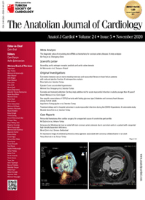
Anatolian Journal of Cardiology
Exploring Innovative Pathways in Cardiovascular Medicine.The Anatolian Journal of Cardiology, published by KARE PUBL, stands as a vital resource in the field of Cardiology and Cardiovascular Medicine. With an ISSN of 2149-2263 and E-ISSN 2149-2271, this Open Access journal has been fostering the dissemination of critical research since 2001, ensuring that high-quality content is freely available to a global audience. Based in Turkey, the journal aims to bridge gaps in cardiological knowledge through rigorous peer-reviewed articles that span a wide range of topics, from innovative clinical practices to groundbreaking research findings. While its current ranking places it in the Q3 category of cardiology journals, the Anatolian Journal of Cardiology continues to strive towards enhancing its impact, currently holding a Scopus rank of 236 out of 387. Researchers, practitioners, and students alike will find this journal an essential platform for keeping abreast of the latest developments in cardiovascular health.