
Expert Review of Clinical Immunology
Scope & Guideline
Delivering high-impact findings in immunology.
Introduction
Aims and Scopes
- Clinical Immunology Research:
The journal publishes research that explores the underlying mechanisms of immune responses and their implications for clinical practice, focusing on autoimmune diseases, allergies, and immunodeficiencies. - Innovative Therapeutic Approaches:
It emphasizes innovative therapies, including biologics, JAK inhibitors, and cell-based therapies, aimed at improving patient outcomes in various immunological conditions. - Translational Medicine:
The journal promotes studies that translate basic immunological research into clinical applications, enhancing the understanding of disease mechanisms and treatment strategies. - Systematic Reviews and Meta-Analyses:
Regular publications of systematic reviews and meta-analyses provide comprehensive insights into treatment efficacy and safety, guiding clinicians in evidence-based practice. - Emerging Technologies in Immunology:
The journal highlights the use of advanced technologies such as machine learning, single-cell sequencing, and bioinformatics to understand immune mechanisms and improve treatment paradigms.
Trending and Emerging
- Precision Medicine in Immunology:
There is a growing emphasis on precision medicine approaches, tailoring treatments based on individual patient profiles, genetic factors, and specific disease mechanisms. - Biologics and Targeted Therapies:
An increase in studies focused on biologics and targeted therapies, including JAK inhibitors and monoclonal antibodies, demonstrates a trend toward more effective and specific treatment options for autoimmune diseases. - Role of the Microbiome in Immunity:
Research exploring the relationship between the microbiome and immune responses is gaining traction, suggesting a significant role for gut health in managing autoimmune conditions. - Artificial Intelligence and Machine Learning Applications:
The integration of AI and machine learning in immunological research is on the rise, facilitating better predictions of treatment outcomes and patient responses. - Long COVID and Immune Dysregulation:
The impact of COVID-19 on immune dysregulation and its long-term effects on health has emerged as a crucial area of research, indicating the need for targeted studies in this domain.
Declining or Waning
- Traditional Pharmacological Treatments:
There has been a noticeable decrease in publications focusing solely on traditional pharmacological approaches, such as corticosteroids, as newer, more targeted therapies gain prominence. - Basic Immunology Without Clinical Relevance:
Papers that delve into basic immunological concepts without a clear clinical application appear to be decreasing, reflecting a shift towards more clinically relevant research. - Generalized Reviews on Common Diseases:
While comprehensive reviews are still valuable, there is a trend towards more specific, niche topics rather than broad overviews of common immunological diseases.
Similar Journals

American Journal of Clinical and Experimental Immunology
Advancing Immunology: Bridging Research and Clinical PracticeWelcome to the American Journal of Clinical and Experimental Immunology, a premier publication dedicated to advancing the fields of clinical and experimental immunology. Published by E-CENTURY PUBLISHING CORP, this journal provides a platform for groundbreaking research, case studies, and comprehensive reviews that contribute to our understanding of the immune system and its implications for health and disease. With a focus on disseminating innovative findings and enhancing the dialogue among researchers, practitioners, and students, the journal aims to bridge the gap between laboratory discoveries and clinical applications. Although specific metrics such as the impact factor and Scopus ranks are currently not provided, the journal is committed to maintaining high standards of scholarly publishing and fostering open access to vital research. Located in Madison, WI, and available online via its E-ISSN 2164-7712, this journal is a valuable resource for those wishing to explore the intricacies of immunological research and its applications in clinical practice.
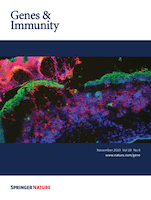
GENES AND IMMUNITY
Connecting Genetic Discoveries with Immune InnovationsGENES AND IMMUNITY, published by SpringerNature, is a leading scholarly journal dedicated to advancing the field of genetics and immunology. With an impressive impact factor and a distinguished ranking in the Q1 quartile of both Genetics and Immunology disciplines for 2023, this journal serves as a pivotal platform for researchers and professionals looking to explore the intricate relationships between genetic factors and immune responses. Established in 1999 and continuously published until 2024, it features high-quality peer-reviewed research articles, reviews, and commentary that address critical issues and recent advancements in the field. The journal adheres to rigorous academic standards, evidenced by its strong Scopus rankings, making it a valuable resource for students, researchers, and practitioners alike who are seeking to deepen their understanding of genetics' role in immunity. For those looking to keep abreast of cutting-edge insights, GENES AND IMMUNITY is an essential read.
CLINICAL AND EXPERIMENTAL IMMUNOLOGY
Transforming Research into Clinical PracticeClinical and Experimental Immunology, published by Oxford University Press, is a premier journal that has been a cornerstone in the field of immunology since its inception in 1966. With an ISSN of 0009-9104 and an E-ISSN of 1365-2249, this journal holds a significant position in academic research, currently ranking in the Q2 category for both Immunology and Allergy (2023). Its impactful contributions are reflected in its Scopus rankings, where it stands at Rank #63 out of 233 in Immunology and Allergy, placing it in the 73rd percentile, and Rank #73 out of 236 in Immunology and Microbiology. Researchers, healthcare professionals, and students will find this journal an invaluable resource for cutting-edge studies, reviews, and clinical advancements in the ever-evolving domain of immunology. While the publication does not offer open-access options, it remains a pivotal platform for disseminating knowledge that impacts both clinical practice and experimental research.
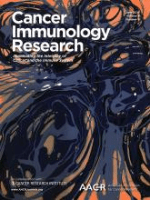
Cancer Immunology Research
Driving Progress in Cancer Treatment through ImmunologyCancer Immunology Research is a leading journal dedicated to the rapidly evolving field of cancer immunology, published by the American Association for Cancer Research. Established in 2013, this prestigious journal has quickly made a significant impact in its domain, achieving a 2023 Q1 ranking in both Cancer Research and Immunology. With an impressive Scopus rank of 24 out of 230 in cancer research and 28 out of 236 in immunology, it occupies a valuable position for researchers, professionals, and students engaged in cutting-edge cancer studies. Although it does not offer open access, the journal is committed to disseminating high-quality, peer-reviewed research that advances our understanding of the immune system’s role in cancer. The journal's objectives include fostering innovative studies, enhancing collaboration across disciplines, and promoting the translation of research findings into clinical applications, making it a vital resource for anyone invested in cancer therapy and immunological research.
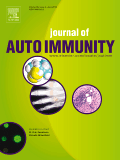
JOURNAL OF AUTOIMMUNITY
Connecting Researchers to Transform Autoimmune ScienceJOURNAL OF AUTOIMMUNITY, published by Academic Press Ltd - Elsevier Science Ltd, stands as a leading authority in the field of immunology, boasting an impressive impact factor and recognized as a Q1 journal in both Immunology and Immunology and Allergy disciplines. Since its inception in 1988, this esteemed journal has provided an essential platform for the dissemination of groundbreaking research, covering a wide spectrum of topics related to autoimmune diseases and their underlying mechanisms. With a strong Scopus ranking, placing it within the top 10% of journals in its field, the JOURNAL OF AUTOIMMUNITY fosters collaborations among researchers, clinicians, and academics, thereby enriching the global discourse on autoimmune health. Although it does not offer open access, it remains a vital resource for those seeking in-depth analysis and innovative findings that drive forward knowledge and therapeutic advancements in immunology.
Dermatology and Therapy
Championing the latest in skin therapy advancements.Dermatology and Therapy is a prestigious Open Access journal, published by ADIS INT LTD since 2011, that has quickly established itself as a vital resource in the field of dermatology. With an impressive Q1 ranking in the Dermatology category as of 2023 and a commitment to disseminating high-quality research, this journal fosters innovation and knowledge exchange among professionals, researchers, and students alike. Its broad scope encompasses the latest advancements in dermatological therapies, contributing significantly to both clinical practice and academic research. Based in Germany and operating under a global perspective, Dermatology and Therapy provides an essential platform for open access research, encouraging unrestricted access to groundbreaking studies and fostering collaboration across borders. Join the community of dermatology experts by exploring the wealth of knowledge available in this influential journal.
JOURNAL OF DERMATOLOGICAL TREATMENT
Advancing dermatological science for a healthier tomorrow.The JOURNAL OF DERMATOLOGICAL TREATMENT, published by TAYLOR & FRANCIS LTD, is a premier forum dedicated to advancing the field of dermatology through the dissemination of high-quality research. Since its inception in 1989, this journal has maintained a significant impact on the dermatological community, currently ranking in the top quartile (Q1) of the Dermatology category with an impressive Scopus ranking of #14 out of 142 journals, reflecting its reputation among peers and its contribution to the clinical and academic landscape. The journal shifted to Open Access in 2023, enhancing the accessibility of groundbreaking findings to researchers, clinicians, and students worldwide. With a commitment to publishing diverse articles, from innovative treatment modalities to comprehensive reviews, the JOURNAL OF DERMATOLOGICAL TREATMENT serves as an invaluable resource for professionals seeking to stay at the forefront of dermatological science in a rapidly evolving field.
Allergy Asthma & Immunology Research
Innovating solutions for allergy and asthma challenges.Allergy Asthma & Immunology Research, published by the Korean Academy of Asthma Allergy & Clinical Immunology, is a leading journal dedicated to advancing the fields of immunology, allergy, and respiratory medicine. With an ISSN of 2092-7355 and an E-ISSN of 2092-7363, this esteemed publication has been a cornerstone for researchers and practitioners since its inception in 2009 and continues to disseminate critical findings through till 2024. The journal is ranked in the Q3 category in Immunology and the Q2 category in Immunology and Allergy as well as Pulmonary and Respiratory Medicine, illustrating its impact in these vital fields. With a solid Scopus ranking in multiple sub-disciplines, the journal not only contributes to the scientific discourse but also promotes innovative research and clinical practices. Although currently operating without an open access model, the journal remains highly regarded for its thorough peer-review process and commitment to academic excellence, making it an essential resource for professionals, researchers, and students passionate about advancing knowledge in allergy, asthma, and immunology.
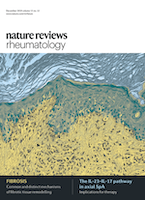
Nature Reviews Rheumatology
Advancing knowledge in rheumatology.Nature Reviews Rheumatology is a premier academic journal published by NATURE PORTFOLIO, dedicated to the field of rheumatology. With an impressive impact factor reflecting its high citation rate and relevance within the scientific community, it ranks in the Q1 category for rheumatology, showcasing its essential role in disseminating cutting-edge research and reviews. The journal serves as a vital resource for researchers, clinicians, and students alike, presenting comprehensive articles that cover the latest developments, therapeutic advancements, and emerging trends in rheumatic diseases. With access options, including open access, it ensures that valuable insights are within reach for all stakeholders in the field. Situated in the United Kingdom and intersecting with a global audience, Nature Reviews Rheumatology stands as an authoritative voice, fostering education and innovation to improve patient outcomes and enhance the understanding of rheumatological conditions.
Nature Reviews Gastroenterology & Hepatology
Transforming Research into Clinical PracticeNature Reviews Gastroenterology & Hepatology is a premier academic journal published by NATURE PORTFOLIO, specializing in the vital fields of gastroenterology and hepatology. With an impressive impact factor and categorized in Q1 for both disciplines, this journal ranks at the top of its field, with Scopus rankings placing it in the 99th percentile for gastroenterology and hepatology. The journal aims to provide critical reviews that synthesize the latest research findings, clinical practices, and breakthroughs, catering to researchers, healthcare professionals, and students alike. With its wide-ranging access options, it promotes the dissemination of knowledge essential for advancements in understanding digestive and liver disorders. The journal has been committed to academic excellence since its convergence in 2009, continuing to shape the future of gastroenterological and hepatological research through rigorous peer-reviewed content.