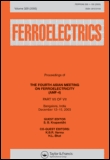
FERROELECTRICS
metrics 2024
Connecting Researchers in the World of Ferroelectrics
Introduction
FERROELECTRICS, published by Taylor & Francis Ltd, is a distinguished journal focusing on the multifaceted field of ferroelectric materials and their applications, encompassing aspects of condensed matter physics and electronic, optical, and magnetic materials. Established in 1970 and set to continue through 2024, this journal provides a critical platform for researchers, professionals, and students seeking to explore the latest advancements in ferroelectric phenomena. Although currently categorized in the Q4 quartile in key scientific fields, this journal serves as an invaluable resource for community knowledge sharing and collaboration, despite a competitive landscape evidenced by its Scopus ranks in both related domains. FERROELECTRICS remains committed to fostering innovation and understanding in materials science, providing seamless access to valuable research insights. As this journal continues to evolve, it aims to uplift its standing and broaden its impact in the scientific community.
Metrics 2024
 0.200.600.7064
Metrics History
Rank 2024
Scopus
IF (Web Of Science)
JCI (Web Of Science)
Quartile History
Similar Journals
Journal of Science-Advanced Materials and Devices
Advancing Materials Science Through Open Access InnovationJournal of Science-Advanced Materials and Devices is a leading open-access journal published by Vietnam National University, dedicated to advancing the field of materials science through cutting-edge research and innovative developments. Since its inception in 2016, this journal has become a pivotal platform for sharing insights and discoveries in various subfields, including biomaterials, ceramics and composites, and electronic, optical, and magnetic materials. With impressive quartile rankings, including Q1 across multiple categories in 2023, and a notable Scopus ranking placing it in the top 15th percentile for ceramics and composites, it highlights the journal’s influence and prestige within the global academic community. Open Access since its launch, the journal aims to facilitate unrestricted dissemination of scholarly work, empowering researchers, professionals, and students to engage with the latest advancements. The Journal of Science-Advanced Materials and Devices is vital for those seeking high-quality contributions that influence both theoretical understanding and practical applications in the ever-evolving landscape of materials science.

Nano Express
Catalyzing global dialogue in nanotechnology.Nano Express is an esteemed open-access journal published by IOP Publishing Ltd, dedicated to advancing research in the fields of nanotechnology and materials science. Since its launch in 2020, the journal has swiftly established itself as a vital resource for researchers and professionals, garnering significant recognition in various domains, including biomaterials, electronic, optical and magnetic materials, and polymers and plastics. With a commendable categorization in Scopus quartiles, it ranks in Q2 for Electronic, Optical and Magnetic Materials, and maintains a top percentile in several others, exemplifying its commitment to high-quality research dissemination. Located in the United Kingdom, this journal fosters a global dialogue among experts and newcomers alike, facilitating open access to innovative research that drives the future of nanotechnology. By offering a platform for groundbreaking studies and reviews, Nano Express aims to bridge the gap between theoretical understanding and practical application, championing the development of next-generation materials that have the potential to transform various industries.
JOURNAL OF PHYSICS AND CHEMISTRY OF SOLIDS
Transforming Knowledge in Physics and ChemistryJOURNAL OF PHYSICS AND CHEMISTRY OF SOLIDS, published by Pergamon-Elsevier Science Ltd, is a distinguished international journal that has been at the forefront of disseminating cutting-edge research in the fields of physics, chemistry, and materials science since its inception in 1956. This journal, which is recognized for its high impact in the Q2 category across multiple subjects—including Chemistry (miscellaneous), Condensed Matter Physics, and Materials Science—serves as a vital platform for researchers, professionals, and students to engage with significant advances in solid-state physics and chemistry. With Scopus rankings placing it in the top 15% of its field across various domains, the journal plays a crucial role in shaping the scientific dialogue surrounding materials properties, synthesis, and applications. Although it does not currently offer open access options, the presented research is widely recognized for its quality and relevance, ensuring that published works contribute meaningfully to ongoing scholarly discussions.
Thin Solid Films
Illuminating Innovations in Surface and Coating ResearchThin Solid Films, published by ELSEVIER SCIENCE SA, is a highly regarded journal in the fields of materials science and physics, specifically focused on the properties and applications of thin films. Established in 1967, this journal has been a leading platform for disseminating research on surfaces, coatings, and advanced materials. With its consistent publication through the notable HIndex of scholarly impact, this journal showcases a diverse range of studies ranging from electronic, optical, and magnetic materials to novel surface and interface engineering. In recent evaluations, Thin Solid Films has achieved significant rankings, including a Q2 position in Materials Chemistry and Metals and Alloys, reflecting its relevance and importance in ongoing scientific discourse. Although it does not offer open access, it provides a vital resource for researchers, professionals, and students seeking to advance their knowledge and expertise in thin film technology. The journal's commitment to quality and innovation makes it an essential publication for anyone engaged in the field.
Ceramics International
Championing excellence in ceramic materials research.Ceramics International is a premier journal published by ELSEVIER SCI LTD, focusing on advancing the field of materials science with a specific emphasis on ceramics and composites. With an impressive impact factor and a top-tier standing in several critical categories, including Q1 rankings in Ceramics and Composites, Electronic, Optical and Magnetic Materials, and Materials Chemistry, this journal serves as a crucial resource for researchers and professionals alike. Established in 1981, it has consistently showcased cutting-edge research in various domains, including surfaces, coatings, and process chemistry technologies, making it invaluable for those advancing theoretical and practical knowledge in these areas. While access is through subscription, the journal’s rich content, profound insights, and rigorous peer-review process ensure high-quality articles that contribute meaningfully to the scientific community. By fostering innovation and collaboration through rigorous research, Ceramics International stands out as an authoritative source for those dedicated to the evolution of materials science.
PHYSICA STATUS SOLIDI B-BASIC SOLID STATE PHYSICS
Fostering Insights into the Heart of Material SciencePHYSICA STATUS SOLIDI B-BASIC SOLID STATE PHYSICS, published by Wiley-VCH Verlag GmbH in Germany, is an esteemed journal within the condensed matter physics sphere, covering pivotal advancements in basic solid state physics. With a rich history dating back to 1961, it serves as a scholarly platform for researchers, professionals, and students alike, providing insights into the fundamental properties and applications of electronic, optical, and magnetic materials. The journal currently holds a respectable Q3 ranking in both Condensed Matter Physics and Electronic, Optical, and Magnetic Materials as of 2023, indicating its impactful contributions to these fields despite its competitive landscape. While it does not offer open access, its comprehensive research findings are critical for those engaged in innovative material science research. With a convergence period extending to 2024, PHYSICA STATUS SOLIDI B continues to play a significant role in facilitating knowledge exchange and fostering advancements in solid state physics.

Transactions on Electrical and Electronic Materials
Exploring Breakthroughs in Electrical Engineering and Materials ScienceTransactions on Electrical and Electronic Materials, published by Springer, is a distinguished journal aimed at advancing the fields of electrical and electronic engineering, as well as electronic, optical, and magnetic materials. With an ISSN of 1229-7607 and an E-ISSN of 2092-7592, this journal is vital in disseminating impactful research and innovations, providing insights and significant findings that cater to both academia and industry. Holding a Q3 ranking in the categories of Electrical and Electronic Engineering and Electronic, Optical and Magnetic Materials, it serves as a reputable platform for sharing research that influences ongoing developments in these critical areas. The journal's converged years from 2011 to 2024 signify its commitment to providing a comprehensive review of technological advancements. Located in New York City, it appeals to a global audience of researchers, professionals, and students, enhancing their understanding of current trends and practices within the domain.
Journal of Physics-Materials
Igniting Innovation through Open Access ResearchJournal of Physics-Materials, published by IOP Publishing Ltd, serves as a leading platform for disseminating groundbreaking research in the realms of Atomic and Molecular Physics, Condensed Matter Physics, and Materials Science. This Open Access journal, established in 2018, enables wide-reaching visibility and accessibility to high-impact studies, fostering international collaboration and innovation within the scientific community. With a remarkable Q1 ranking in prestigious categories and impressive Scopus rankings—positioned at #38 in Condensed Matter Physics and #29 in Atomic and Molecular Physics—this journal plays a pivotal role in shaping contemporary research and discussions in physics and materials science. Researchers, students, and professionals alike are encouraged to contribute to and engage with the rich knowledge base this journal offers, which is dedicated to advancing the frontier of materials research and its numerous applications.
INTEGRATED FERROELECTRICS
Innovating Applications in Ferroelectric ScienceINTEGRATED FERROELECTRICS is a prominent academic journal published by Taylor & Francis Ltd, focusing on the interdisciplinary study of ferroelectric materials and their applications. Since its inception in 1992, it has provided a platform for high-quality research and innovative findings within fields such as ceramics and composites, condensed matter physics, and electrical engineering. Despite currently holding a Q4 quartile ranking across several categories—including Ceramics and Composites and Electrical and Electronic Engineering—the journal plays a crucial role in disseminating knowledge and fostering collaboration among scientists and engineers dedicated to advancing ferroelectric technology. With an increasing emphasis on the practical applications of electronic and optical materials, INTEGRATED FERROELECTRICS offers valuable insights for researchers, providing them with a repository of knowledge that is essential for both academic exploration and practical implementation.
FERROELECTRICS LETTERS SECTION
Unveiling Innovations in Condensed Matter PhysicsFERROELECTRICS LETTERS SECTION, published by Taylor & Francis Ltd, is a pivotal journal dedicated to the field of ferroelectric materials and their applications within condensed matter physics and electronic, optical, and magnetic materials. Established in 1983, this journal serves as an essential platform for researchers and professionals keen on advancing the understanding of ferroelectric phenomena and exploring their potential in contemporary technological applications. Despite its current positioning in the Q4 quartile categories and modest Scopus rankings, the journal plays a crucial role in disseminating research findings and fostering dialogue among scholars. With an emphasis on high-quality, peer-reviewed articles, FERROELECTRICS LETTERS SECTION encourages contributions that enhance the scientific community's comprehension of material sciences and associated emerging technologies. Although no Open Access options are currently listed, the journal offers a valuable repository of knowledge poised to attract students, researchers, and industry professionals alike, looking to stay abreast of the latest trends and discoveries in the field.