
French-Ukrainian Journal of Chemistry
metrics 2024
Empowering Research Through Open Access
Introduction
French-Ukrainian Journal of Chemistry, published by TARAS SHEVCHENKO NATIONAL UNIVERSITY OF KYIV, is an esteemed open-access journal that has been contributing to the field of chemistry since 2013. With the aim to foster collaboration and knowledge exchange between French and Ukrainian scholars, this journal provides a platform for innovative research, reviews, and discussions that advance the understanding of chemical sciences. Operating under the ISSN 2312-3222, it boasts a commitment to accessibility, ensuring that all published content is freely available to researchers, professionals, and students worldwide. This initiative enhances the visibility of critical findings and insights in a rapidly evolving scientific landscape. Aimed at promoting high-quality research, the journal invites submissions that encompass a wide range of chemistry-related topics, thereby supporting the growth of interdisciplinary approaches and international cooperation in the field.
Metrics 2024
 -0.400.30-
Metrics History
Rank 2024
IF (Web Of Science)
JCI (Web Of Science)
Quartile History
Similar Journals

Nature Reviews Chemistry
Your Gateway to Cutting-Edge Chemical DiscoveriesNature Reviews Chemistry is a premier journal published by NATURE PORTFOLIO, dedicated to advancing scholarly discourse in the broad field of chemistry. With an impressive impact factor and a ranking in the 99th percentile across its categories—ranked #2 in General Chemical Engineering and #4 in General Chemistry according to Scopus—this journal is recognized for its high-quality, peer-reviewed articles that synthesize and analyze the latest advancements in chemical research. Operating under a convergence framework from 2017 to 2024, Nature Reviews Chemistry aims to provide comprehensive insights and critical examinations of contemporary chemical practices, thereby reinforcing its status as a vital resource for researchers, professionals, and students alike. Although it is not an open-access journal, the breadth and authority of its content make it essential for those looking to stay at the forefront of chemical sciences.
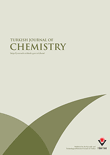
TURKISH JOURNAL OF CHEMISTRY
Exploring the Depths of Chemical KnowledgeTURKISH JOURNAL OF CHEMISTRY, published by the Tubitak Scientific & Technological Research Council Turkey, serves as a significant platform for the dissemination of research in the diverse field of chemistry. Since its inception in 1996, this peer-reviewed journal has made substantial contributions to the body of knowledge within the field, currently holding a respectable Q3 ranking in the category of Chemistry (miscellaneous) as of 2023. Researchers and professionals alike rely on this journal for its wide-ranging discussions, innovative methodologies, and noteworthy findings pertinent to both fundamental and applied chemistry. With an ISSN of 1300-0527 and a commitment to promoting scientific progress, the journal is accessible to a global audience and encourages the open sharing of insights that drive advancements in chemistry. The extended timeframe of convergence until 2024 highlights the journal's dedication to fostering ongoing research and collaboration within the scientific community. As a valuable resource for researchers, professionals, and students, the Turkish Journal of Chemistry aims to inspire new discoveries and facilitate knowledge transfer in a dynamic and evolving discipline.
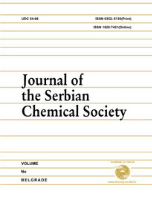
JOURNAL OF THE SERBIAN CHEMICAL SOCIETY
Exploring the Frontiers of Chemistry TogetherJOURNAL OF THE SERBIAN CHEMICAL SOCIETY, an esteemed publication in the field of chemistry, is published by the SERBIAN CHEMICAL SOCIETY and has been an essential platform for the dissemination of research since 1930. With an ISSN of 0352-5139, this Open Access journal is dedicated to fostering communication and collaboration among chemists worldwide, making its contents readily accessible to researchers, professionals, and students alike. Based in Serbia, the journal features a wide range of topics within the domain of general chemistry, as reflected in its Scopus rankings, which place it in the 34th percentile among its peers. The journal's engagement with the global scholarly community is further underscored by its consistent publication history since 1985, with coverage extending through to 2024. As the journal continues to evolve, it remains committed to promoting high-quality research and advancing the field of chemistry.

Bulletin of the University of Karaganda-Chemistry
Connecting Researchers to Drive Chemical DiscoveriesBulletin of the University of Karaganda-Chemistry is an esteemed academic journal published by KARAGANDA STATE UNIVERSITY, focusing on the field of chemistry and related disciplines. With an ISSN of 2518-718X and an E-ISSN of 2663-4872, this journal aims to disseminate high-quality research articles, reviews, and scholarly discussions that contribute to the advancement of knowledge in chemistry. Although it has experienced a transition in its coverage from 2021 to 2022, the journal remains a significant platform for researchers and students alike, promoting open access to its valuable content. Despite its current Scopus rank of #379/407 in the general chemistry category, the Bulletin of the University of Karaganda-Chemistry serves as a vital resource for the academic community in Kazakhstan and beyond, fostering collaboration and innovation in various chemical research domains. Researchers, professionals, and students are encouraged to engage with the journal as it continues to evolve and contribute to significant scientific discussions.

Journal of Chemistry and Technologies
Exploring Technologies for Tomorrow's Solutions.The Journal of Chemistry and Technologies, published by OLES HONCHAR DNIPROPETROVSK NATIONAL UNIVERSITY, is an open access journal dedicated to advancing knowledge in the broad fields of chemistry and chemical engineering since its inception in 2013. With ISSN 2663-2934 and E-ISSN 2663-2942, this journal provides a vital platform for researchers and professionals, particularly in Ukraine and beyond, to share innovative research findings and contemporary technological advancements. Currently ranked in the Q4 quartile in both Chemical Engineering and General Chemistry for 2023, it serves as an enriching resource for those interested in emerging trends and interdisciplinary studies within these domains. The journal adheres to high academic standards while fostering collaboration in the scientific community by offering open access articles that ensure visibility and accessibility to a global audience. As an important part of the academic landscape, the Journal of Chemistry and Technologies aims to inspire future research and development, paving the way for new discoveries and applications in chemistry-related fields.
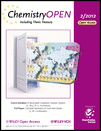
ChemistryOpen
Where Chemistry Meets AccessibilityChemistryOpen is a leading open access journal published by WILEY-V C H VERLAG GMBH, dedicated to advancing the field of chemistry. With its ISSN 2191-1363, this journal has been a vital platform since its inception in 2012, promoting unrestricted access to innovative research findings and critical reviews in various chemistry domains. As a testament to its growing influence, ChemistryOpen has achieved a commendable Q2 quartile ranking in the 2023 Chemistry (miscellaneous) category, which highlights its quality and impact within the academic community. Researchers, professionals, and students benefit from the journal's commitment to making high-quality research accessible, facilitating knowledge transfer and collaborative insights among chemists worldwide. The journal's transparent open access model ensures that groundbreaking discoveries and methodologies are readily disseminated, fostering a culture of innovation and interdisciplinary dialogue in the ever-evolving landscape of chemistry.

EGYPTIAN JOURNAL OF CHEMISTRY
Pioneering Discoveries in the Heart of ChemistryThe Egyptian Journal of Chemistry, published by the National Information & Documentation Centre (NIDOC), serves as a vital platform for disseminating novel research and advancements in the field of chemistry and its interdisciplinary applications. Established in 2004 and continuing its publication through 2024, this journal encapsulates a diverse range of topics including Biochemistry, Chemical Engineering, and Materials Science, reflected in its respectable Scopus rankings. With an array of Quartile rankings indicating its varying impact across different categories, scholars can benefit from its insights into innovative solutions and methodologies that address pressing scientific challenges. Although it currently does not operate under an open access model, researchers and students are encouraged to leverage its findings as it plays a pivotal role in the academic landscape of Egypt and beyond. For those engaged in chemical research, the Egyptian Journal of Chemistry stands as an essential resource, contributing significantly to the global body of scientific knowledge.

Frontiers in Chemistry
Unleashing Potential in Chemistry for a Brighter Future.Frontiers in Chemistry is an esteemed and innovative Open Access journal published by FRONTIERS MEDIA SA, based in Lausanne, Switzerland. Since its inception in 2013, the journal has established itself as a leading platform for the dissemination of high-quality research across a broad spectrum of chemistry disciplines, achieving a notable Q1 classification in the miscellaneous chemistry category as of 2023. With an impressive Scopus rank, placing it at 72nd out of 408 in General Chemistry and falling within the 82nd percentile, Frontiers in Chemistry is committed to publishing significant findings that contribute to the advancement of the field. The journal's Open Access model ensures that research is freely accessible to all, fostering a greater exchange of knowledge and collaboration among researchers, professionals, and students globally. It covers a range of topics, from organic and inorganic chemistry to materials science and biochemistry, making it an essential resource for anyone seeking to stay at the forefront of chemical research.
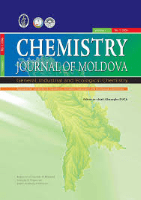
Chemistry Journal of Moldova
Fostering Knowledge: Open Access to Transformative Chemical ResearchChemistry Journal of Moldova is a pioneering open-access journal dedicated to fostering the dissemination of significant research in the diverse fields of chemistry, including Environmental Chemistry, Process Chemistry and Technology, and more. Published by the esteemed Academia Sciences Moldova, Institute of Chemistry, this journal has been at the forefront of scientific inquiry since its establishment in 2006. With an ISSN of 1857-1727 and a digital presence through its E-ISSN of 2345-1688, it provides an accessible platform for researchers, students, and professionals to share and engage with cutting-edge findings. Although currently ranked in the Q4 quartile in several chemistry categories, the journal is committed to improving its impact within the academic community and aims to highlight emerging trends and technologies in the chemistry domain. The journal's office is located at 3 Academiei Str, Chisinau MD-2028, Moldova. As it converges its publication years from 2016 to 2024, the Chemistry Journal of Moldova invites all contributors and readers to explore its rich repository of research that bridges innovative ideas to practical applications.

Ovidius University Annals of Chemistry
Innovative Insights for the Global Chemistry Community.Ovidius University Annals of Chemistry is a prominent open-access journal dedicated to the field of chemistry and chemical engineering, published by OVIDIUS UNIV PRESS since 2012. With its ISSN 1583-2430 and E-ISSN 2286-038X, this journal seeks to foster innovative research and disseminate knowledge across diverse chemical disciplines. Situated in the vibrant academic setting of Ovidius University in Constanta, Romania, this journal receives contributions from a global pool of researchers, enhancing its relevance in the international scientific community. The open-access format ensures that all published articles are freely available, promoting a wider reach and impact of the research dissemination. As a valued resource for academics, industry professionals, and students alike, the Ovidius University Annals of Chemistry plays a crucial role in advancing the understanding of chemical sciences and engineering practices.