
Bulletin of the University of Karaganda-Chemistry
metrics 2024
Exploring New Frontiers in Chemistry and Innovation
Introduction
Bulletin of the University of Karaganda-Chemistry is an esteemed academic journal published by KARAGANDA STATE UNIVERSITY, focusing on the field of chemistry and related disciplines. With an ISSN of 2518-718X and an E-ISSN of 2663-4872, this journal aims to disseminate high-quality research articles, reviews, and scholarly discussions that contribute to the advancement of knowledge in chemistry. Although it has experienced a transition in its coverage from 2021 to 2022, the journal remains a significant platform for researchers and students alike, promoting open access to its valuable content. Despite its current Scopus rank of #379/407 in the general chemistry category, the Bulletin of the University of Karaganda-Chemistry serves as a vital resource for the academic community in Kazakhstan and beyond, fostering collaboration and innovation in various chemical research domains. Researchers, professionals, and students are encouraged to engage with the journal as it continues to evolve and contribute to significant scientific discussions.
Metrics 2024
 -0.600.40-
Metrics History
Rank 2024
Scopus
IF (Web Of Science)
JCI (Web Of Science)
Quartile History
Similar Journals

JOURNAL OF THE CHEMICAL SOCIETY OF PAKISTAN
Empowering Researchers, Transforming Chemistry.JOURNAL OF THE CHEMICAL SOCIETY OF PAKISTAN is a premier academic journal published by the Chemical Society of Pakistan, focusing on advancing the field of chemistry through rigorous research and scholarship. Established in 1996, this journal aims to disseminate high-quality research articles, reviews, and insights pertaining to various subfields of chemistry, making substantial contributions to both local and international scientific communities. With a current impact factor placing it in the Q4 category, the journal continues to foster discussions on emerging trends and innovations within the discipline. Additionally, it holds a Scopus rank of #305 out of 408, highlighting its growing influence despite being positioned in the 25th percentile. Although it is not an open-access journal, it provides a crucial platform for researchers and professionals in Pakistan and worldwide. The JOURNAL OF THE CHEMICAL SOCIETY OF PAKISTAN serves as a valuable resource for students, educators, and industry professionals alike, facilitating the exchange of knowledge and promoting advancements in chemical sciences.

Studia Universitatis Babes-Bolyai Chemia
Uniting Researchers for a Brighter Chemical FutureStudia Universitatis Babes-Bolyai Chemia, published by UNIV BABES-BOLYAI in Romania, serves as a pivotal platform for the dissemination of innovative research in the field of chemistry. With an ISSN of 1224-7154, this journal has been actively publishing since 2009 and aims to foster scientific collaboration and knowledge sharing among researchers, professionals, and students alike. Although currently categorized in Q4 of the Chemistry (miscellaneous) field, the journal provides an essential venue for emerging studies that contribute to the diverse landscape of chemical research. With its commitment to accessibility and scholarly discourse, Studia Universitatis Babes-Bolyai Chemia remains an important resource for those seeking to stay abreast of the latest developments and trends in general chemistry, holding a Scopus rank within the lower quartiles. Researchers and practitioners are encouraged to engage with its content to enrich their own work and to aid in the advancement of the scientific community.
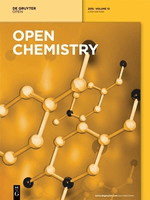
Open Chemistry
Illuminating the Path of Chemical InnovationOpen Chemistry, published by DE GRUYTER POLAND SP Z O O, is a distinguished peer-reviewed journal that has been serving the global chemistry community since its inception. With an ISSN of 2391-5420 and an E-ISSN also of 2391-5420, this open-access journal has been accessible to researchers and practitioners alike since 2015, ensuring a wide dissemination of high-quality research findings. Located in Germany, specifically at BOGUMILA ZUGA 32A STR, 01-811 WARSAW, MAZOVIA, POLAND, Open Chemistry aims to publish innovative research across various chemical disciplines, with special attention to miscellaneous chemistry and materials chemistry. It is currently ranked in the Q3 category for both fields as of 2023, reflecting its solid standing within the academic community, with specific ranks of 187/408 in General Chemistry and 153/317 in Materials Chemistry, corresponding to respective percentiles of 54 and 51. Open Chemistry not only enhances the accessibility of cutting-edge research but also serves as a vital resource for students, professionals, and scholars seeking to advance their knowledge in the rapidly evolving landscape of chemical sciences.
BULLETIN OF THE CHEMICAL SOCIETY OF ETHIOPIA
Connecting Scholars to Pioneering Chemical DiscoveriesBULLETIN OF THE CHEMICAL SOCIETY OF ETHIOPIA (ISSN: 1011-3924; E-ISSN: 1726-801X), published by the Chemical Society of Ethiopia, serves as a pivotal platform for the dissemination of innovative research and developments within the field of chemistry. Since its inception in 1996 and now an open access journal since 2012, it has provided researchers, academics, and students with unrestricted access to critical studies and findings, thus fostering collaboration and the advancement of knowledge in the discipline. The journal's current standing in the Q3 quartile in the 2023 Chemistry category underlines its commitment to maintaining high academic standards, while its Scopus ranking, positioned at #250 out of 408 in general chemistry, showcases its growing influence and contribution to the scientific community. Hailing from Ethiopia and targeted toward a global readership, the journal aims to highlight local and international research, engaging scholars and practitioners alike in discussions that propel the science of chemistry forward.
JOURNAL OF THE CHINESE CHEMICAL SOCIETY
Showcasing Excellence in Chemical ResearchJOURNAL OF THE CHINESE CHEMICAL SOCIETY, published by WILEY-V C H VERLAG GMBH, is a vital resource in the field of chemistry, focusing on a broad array of topics pertinent to general chemistry and its advancing sub-disciplines. Established in 1954 and running through 2024, this journal serves as a significant platform for the dissemination of high-quality research, showcasing innovative findings and developments within the chemical sciences. With its Q3 category ranking and positioning at Rank #203 in General Chemistry per Scopus, it reflects the journal's commitment to research excellence and impact. While not an open-access publication, it ensures accessibility to a global audience, making it an essential tool for researchers, professionals, and students alike seeking to stay informed and engaged in the evolving landscape of chemistry.
RUSSIAN CHEMICAL BULLETIN
Exploring Breakthroughs in Theoretical and Applied Chemistry.RUSSIAN CHEMICAL BULLETIN, published by SPRINGER, serves as a pivotal resource in the field of general chemistry, covering a wide array of topics that impact both theoretical and applied chemistry. With an ISSN of 1066-5285 and a presence since 1993, this journal provides a platform for disseminating significant research findings, practical applications, and novel methodologies within the broader chemistry community. While it currently holds a Q3 ranking in the Chemistry (miscellaneous) category and occupies the 230th position out of 408 in the Scopus rankings, its reputation continues to grow, fostering collaboration and innovation among researchers and professionals alike. Although the journal does not offer an open-access model, it is committed to making findings accessible within the academic community, ensuring that valuable insights can inform future research. With an anticipated convergence of studies extending to 2024, the RUSSIAN CHEMICAL BULLETIN remains an essential reference for those dedicated to advancing chemical science.

Vietnam Journal of Chemistry
Pioneering Research for a Sustainable Chemical FutureVietnam Journal of Chemistry, published by WILEY, is a prominent academic journal that serves as a platform for the dissemination of innovative research in the field of chemistry. With its ISSN 0866-7144 and E-ISSN 2572-8288, this journal has made a significant impact on the global scientific community, evidenced by its 2023 Scopus ranking as #274 in the General Chemistry category and a commendable percentile of 32nd. The journal, categorized in the Q3 quartile for miscellaneous chemistry subjects, aims to foster communication among chemists from Vietnam and around the world, encouraging collaboration and the exchange of cutting-edge knowledge. While it currently does not offer Open Access options, the Vietnam Journal of Chemistry is committed to contributing valuable insights from its coverage years spanning from 2018 to 2024, making it a worthy resource for researchers, professionals, and students dedicated to advancing the field of chemistry. Based in the United Kingdom, it stands as a testament to the vibrant research endeavors emerging from Vietnam and beyond.

Journal of the Iranian Chemical Society
Unveiling the Future of Chemistry, One Study at a TimeThe Journal of the Iranian Chemical Society, published by SPRINGER, is a prominent academic journal dedicated to advancing the field of chemistry. With an ISSN of 1735-207X and an E-ISSN of 1735-2428, this quarterly journal has been contributing valuable research from 2006 to 2024. Situated in Germany, it serves as a vital platform for chemists and researchers to disseminate their findings, particularly within the miscellaneous chemistry category, where it ranks in the Q3 quartile for 2023. Despite its current lack of open access options, the journal maintains a solid presence in the academic community, evidenced by its Scopus ranking of #165 out of 408 in general chemistry and a commendable 59th percentile. The journal's objective aims to foster innovation and collaboration in chemical research, making it an essential resource for professionals and students keen on pioneering developments in the field. As a subscriber, you will gain insights into cutting-edge research that drives the future of chemistry.
Moscow University Chemistry Bulletin
Catalyzing Innovation Through Scholarly ExchangeMoscow University Chemistry Bulletin is a distinguished academic journal dedicated to advancing the field of chemistry, published by PLEIADES PUBLISHING INC. With an ISSN of 0027-1314 and an E-ISSN of 1935-0260, this journal provides a platform for researchers, professionals, and students to explore a wide range of topics in general and specialized chemistry. While it holds a current Q4 ranking in the “Chemistry (miscellaneous)” category according to Scopus, the journal is committed to broadening its scope and visibility, aiming for greater impact in the global scientific community. Moscow University Chemistry Bulletin focuses on the publication of cutting-edge research, reviews, and discussions that stimulate innovation and collaboration. Although it is not an Open Access journal, it plays a crucial role in disseminating knowledge and fostering academic dialogue within the field, as it converges towards significant findings from 2004 to 2024. The continuous development of its content holds the potential to attract a diverse readership, making it a valuable resource for those involved in the chemical sciences.

REVUE ROUMAINE DE CHIMIE
Exploring New Frontiers in Chemical ScienceREVUE ROUMAINE DE CHIMIE is a distinguished academic journal in the field of chemistry, published by EDITURA ACAD ROMANE in Romania. With an ISSN of 0035-3930, this journal has been a valuable platform for disseminating original research and insights in the diverse realm of chemistry since its inception. The journal currently operates under a competitive tier, categorized in Q4 for miscellaneous chemistry fields, as reflected in its Scopus ranking of #348 out of 408, placing it within the 14th percentile. Aiming to foster scientific discourse and innovation, the REVUE ROUMAINE DE CHIMIE provides a repository of knowledge that is crucial for researchers, professionals, and students eager to advance their understanding and contribute to the global chemistry community. By bridging local and international research initiatives, this journal plays an essential role in enhancing the visibility of Romanian scientific contributions on the world stage.