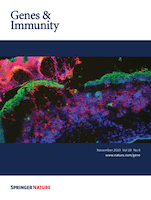
GENES AND IMMUNITY
metrics 2024
Transforming Research in Genetics and Immune Science
Introduction
GENES AND IMMUNITY, published by SpringerNature, is a leading scholarly journal dedicated to advancing the field of genetics and immunology. With an impressive impact factor and a distinguished ranking in the Q1 quartile of both Genetics and Immunology disciplines for 2023, this journal serves as a pivotal platform for researchers and professionals looking to explore the intricate relationships between genetic factors and immune responses. Established in 1999 and continuously published until 2024, it features high-quality peer-reviewed research articles, reviews, and commentary that address critical issues and recent advancements in the field. The journal adheres to rigorous academic standards, evidenced by its strong Scopus rankings, making it a valuable resource for students, researchers, and practitioners alike who are seeking to deepen their understanding of genetics' role in immunity. For those looking to keep abreast of cutting-edge insights, GENES AND IMMUNITY is an essential read.
Metrics 2024
 1.435.003.80108
Metrics History
Rank 2024
Scopus
IF (Web Of Science)
JCI (Web Of Science)
Quartile History
Similar Journals
Journal of Immunology Research
Advancing Immunology: Your Gateway to Groundbreaking ResearchJournal of Immunology Research, published by HINDAWI LTD, stands as a pivotal open-access journal in the realm of immunology, with a particular emphasis on advancing knowledge in both fundamental and applied aspects of the field. Since its inception in 1990, the journal has committed to the dissemination of high-quality research, earning a respectable impact factor that reflects its significance. Based in Egypt, it provides a platform for researchers from around the world, showcasing innovative studies and reviews that contribute to the understanding of immune system mechanisms. Its 2023 rankings place it in the Q2 category for Immunology and Allergy, and Q1 in the broader category of Medicine (miscellaneous), indicating a strong reputation among its peers. Through its open-access model, the journal promotes wide accessibility of cutting-edge research, catering to researchers, professionals, and students alike. With ambitions that converge through 2024, the Journal of Immunology Research continues to be an essential resource for those seeking to explore the forefront of immunological science.

BMC IMMUNOLOGY
Unlocking the Mysteries of the Immune SystemBMC Immunology is a prominent open-access journal published by BMC that has been at the forefront of immunological research since its inception in 2000. Based in the United Kingdom, this journal aims to advance the understanding of immune system functions and disorders through high-quality, peer-reviewed articles. With an impressive scope encompassing various facets of immunology, BMC Immunology has earned a Q3 ranking in the Immunology category according to the 2023 category quartiles, demonstrating its growing impact and relevance in the scientific community. Researchers and professionals will find valuable insights in its array of published works, spanning both foundational studies and innovative applications. The journal's commitment to open access ensures that cutting-edge research is freely available, fostering collaboration and advancement in the field. For those looking to stay updated on the latest developments in immunology, BMC Immunology stands as an essential resource for researchers, professionals, and students alike.
SCANDINAVIAN JOURNAL OF IMMUNOLOGY
Exploring the Frontiers of Immune System ScienceScandinavian Journal of Immunology is a prestigious peer-reviewed journal published by Wiley, focused on the evolving field of immunology and its interdisciplinary ties with medicine. Since its inception in 1972, this journal has cultivated a rich repository of knowledge, showcasing innovative research and reviews that contribute to the understanding of immune system functions, disorders, and therapeutic interventions. With an impressive impact factor reflecting a Q2 ranking in Immunology and a top-tier Q1 status in miscellaneous Medicine categories for 2023, it is recognized for its high-quality scholarly output, positioning it among the leading journals in the field. Additionally, its Scopus ranking of #84 out of 236 in Immunology underscores its significance and relevance to both emerging and established researchers. Although it does not currently offer open access options, the journal’s expansive reach and rigorous publication standards make it an essential platform for disseminating impactful research to the global scientific community. The journal invites submissions that explore the complexities of the immune system, aiming to bridge clinical and basic science for a comprehensive understanding of immunological phenomena.
CURRENT OPINION IN IMMUNOLOGY
Innovating Understanding in Immune ResponsesCURRENT OPINION IN IMMUNOLOGY is a prestigious journal dedicated to the dynamic field of immunology, published by CURRENT BIOLOGY LTD in the United Kingdom. With an ISSN of 0952-7915 and an E-ISSN of 1879-0372, this journal has been a cornerstone of scholarly communication since its inception in 1988 and continues to disseminate cutting-edge research and reviews aimed at advancing our understanding of immune responses. Holding a remarkable Q1 ranking in both Immunology and Allergy categories for 2023, it ranks impressively within the top percentiles in its field, securing 27th233 in Immunology and Allergy and 31st out of 236 in Immunology and Microbiology. Emphasizing high-impact research, the journal provides researchers, professionals, and students with valuable insights into emerging trends and critical developments. As a vital resource in immunological research, it serves as a platform for disseminating innovative findings, fostering collaboration, and enhancing scholarly exchange in a rapidly evolving scientific landscape.
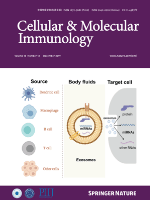
Cellular & Molecular Immunology
Charting New Territories in Immunological ScienceCellular & Molecular Immunology is a prestigious peer-reviewed journal published by the CHIN SOCIETY IMMUNOLOGY. As a leading journal in the fields of immunology and infectious diseases, it proudly holds a Q1 designation across multiple categories, including Immunology, Allergy, and Medicine (Miscellaneous), reflecting its commitment to excellence and impactful research. With an ISSN of 1672-7681 and an E-ISSN of 2042-0226, the journal has been essential reading since its inception in 2004, continuously gathering insights from cutting-edge studies. It ranks impressively within Scopus, with positions in the 7th, 8th, and 9th percentile in relevant categories, establishing it as a cornerstone for researchers, clinicians, and students alike. The journal offers an extensive range of original research articles, reviews, and clinical studies, ensuring that readers stay at the forefront of immunological discovery. Whether you are interested in basic immunology, infectious diseases, or evolving therapies, Cellular & Molecular Immunology serves as an invaluable resource for advancing your knowledge and engagement in this dynamic field.
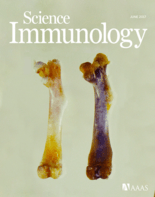
Science Immunology
Unraveling Complexities, Empowering DiscoveriesScience Immunology, published by the American Association for the Advancement of Science, is a leading journal in the field of immunology, recognized for its significant impact and rigor in advancing our understanding of immune responses and complex diseases. With an impressive impact factor that places it in the Q1 category of both immunology and allergy, as well as miscellaneous medicine, this journal is ranked #7 and #8 in their respective Scopus categories, reflecting its high-quality research output. Since its inception in 2016, Science Immunology has been at the forefront of interdisciplinary immunological research, fostering crucial insights that link immunology with pressing health challenges. The journal is committed to providing open access to its content, ensuring that groundbreaking findings are accessible to a global audience of researchers, professionals, and students. Its anthology not only addresses fundamental immunological mechanisms but also enhances the dialogue on translational applications and therapeutic interventions, solidifying its position as an essential resource within the scientific community.

TRENDS IN IMMUNOLOGY
Navigating the Evolving Landscape of ImmunologyTRENDS IN IMMUNOLOGY, published by CELL PRESS, stands as a premier source of insights and developments within the field of immunology. With an ISSN of 1471-4906 and E-ISSN of 1471-4981, this journal has established a strong reputation, evidenced by its prestigious status in Q1 quartiles for both Immunology and Allergy in 2023. It is ranked #13 out of 233 in the Scopus category of Medicine – Immunology and Allergy, and #16 out of 236 in Immunology and Microbiology, placing it within the top 94th and 93rd percentiles respectively. Since its inception in 1987, TRENDS IN IMMUNOLOGY has provided a critical platform for researchers, professionals, and students to access the latest advancements and integrative reviews in immunological research. The journal offers open access options, enhancing the accessibility of its high-impact content to a global audience. Researchers and practitioners rely on its pages not only for cutting-edge findings but also for comprehensive discussions that drive the future of immunology research.
INTERNATIONAL IMMUNOLOGY
Pioneering Research at the Intersection of Immunology and Medicine.INTERNATIONAL IMMUNOLOGY, published by OXFORD UNIV PRESS, stands out as a premier journal in the field of immunology, providing a vital platform for disseminating groundbreaking research and innovative developments within the discipline. With an impressive Q1 ranking in Immunology and Allergy, as well as in Medicine (miscellaneous), it consistently showcases high-impact studies that contribute to the advancement of immunological knowledge. The journal spans over three decades, from its inception in 1989 to its ongoing contributions as of 2024, thus solidifying its reputation in the scientific community. Researchers, professionals, and students will find valuable articles that delve into the complexities of immune responses, therapeutic interventions, and emerging immunological paradigms, ensuring INTERNATIONAL IMMUNOLOGY remains at the forefront of knowledge in the life sciences.
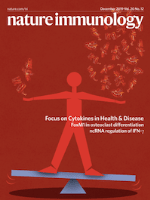
NATURE IMMUNOLOGY
Exploring the intricacies of the immune system for a healthier tomorrow.NATURE IMMUNOLOGY is a premier academic journal published by NATURE PORTFOLIO, dedicated to advancing the field of immunology. With an impressive impact factor that reflects its esteemed position, this journal ranks in the top quartile (Q1) of renowned categories, including Immunology and Allergy. Serving as a crucial platform for researchers, professionals, and students, NATURE IMMUNOLOGY showcases cutting-edge research, comprehensive reviews, and insightful perspectives that drive innovation in immunological science. Based in the United Kingdom, this journal has been a vital contributor to the global discourse on immune responses and related diseases since its inception in 2000. Researchers can benefit from its rigorous peer-review process, ensuring that only high-quality studies are disseminated, thus enhancing their academic pursuits and practical applications. Explore the latest findings and trends within this flourishing discipline, making NATURE IMMUNOLOGY an essential resource for anyone engaged in the study of the immune system.
INTERNATIONAL REVIEWS OF IMMUNOLOGY
Catalyzing Collaboration in ImmunologyINTERNATIONAL REVIEWS OF IMMUNOLOGY, published by Taylor & Francis Inc, is a leading academic journal that has been a cornerstone of immunological research since its inception in 1986. With an impressive impact factor and ranked in the top quartiles of its field (Q2 in both Immunology and Allergy), this journal offers a critical platform for the dissemination of influential findings and advancements within immunology. Spanning a diverse array of topics, from basic immune mechanisms to clinical applications, it aims to support the global scientific community in enhancing immunological understanding and therapeutic interventions. Researchers and professionals alike benefit from insights provided by renowned contributors, ensuring that the journal remains relevant in a rapidly evolving field. Directly accessible through subscription or institutional access, INTERNATIONAL REVIEWS OF IMMUNOLOGY is committed to fostering collaboration and innovation, making it an essential resource for anyone involved in immunological research and practice.