
Hormones-International Journal of Endocrinology and Metabolism
Scope & Guideline
Exploring the Nexus of Endocrinology and Metabolism
Introduction
Aims and Scopes
- Endocrine Disorders and Hormonal Regulation:
Research focusing on the pathophysiology, diagnosis, and management of various endocrine disorders, including thyroid dysfunction, adrenal insufficiency, and metabolic syndromes. - Metabolic Syndrome and Diabetes Management:
Studies addressing the relationship between hormones and metabolic conditions such as obesity, diabetes mellitus, and their complications, emphasizing prevention and treatment strategies. - Hormonal Therapies and Interventions:
Investigations into the efficacy and safety of hormonal therapies, including hormone replacement therapy, insulin therapies, and new pharmacological agents for managing endocrine disorders. - Nutritional and Lifestyle Interventions:
Research exploring the impact of diet, exercise, and lifestyle modifications on hormonal balance and metabolic health, aiming to provide evidence-based recommendations. - Genetic and Molecular Endocrinology:
Studies examining genetic factors influencing hormonal function and metabolism, including the role of genetic mutations in endocrine disorders and their clinical implications. - Transgender Medicine and Hormonal Treatments:
Research focusing on the effects of hormone therapy in transgender individuals, addressing both clinical outcomes and psychosocial aspects.
Trending and Emerging
- Impact of COVID-19 on Endocrine Function:
An increased focus on how COVID-19 affects various endocrine functions and metabolic disorders, reflecting the pandemic's relevance to current public health and clinical practice. - Personalized Medicine and Genetic Insights:
Growing interest in personalized medicine approaches that consider genetic and molecular factors in the management of endocrine disorders, indicating a trend towards tailored therapies. - Obesity and Metabolic Health:
A rising emphasis on obesity-related research, particularly in the context of metabolic syndrome and its implications for hormonal health, underlining its significance in public health. - Integration of Technology in Diabetes Management:
Emerging studies on the use of technology, such as continuous glucose monitoring and telehealth, for managing diabetes and other endocrine disorders, reflecting the digital transformation in healthcare. - Endocrine Disruptors and Environmental Health:
Increasing publications addressing the impact of environmental factors and endocrine disruptors on hormonal health, highlighting a growing awareness of environmental influences on endocrinology.
Declining or Waning
- Historical Perspectives in Endocrinology:
There has been a noticeable decline in papers focusing on historical perspectives and the evolution of endocrinology, indicating a potential shift towards more contemporary research topics and clinical applications. - Traditional Pharmacological Approaches:
Research on traditional pharmacological treatments for endocrine disorders appears to be decreasing, possibly due to the rise of novel therapeutic agents and personalized medicine approaches. - Generalized Hormonal Studies without Clinical Context:
Papers that explore hormonal mechanisms in isolation, without direct clinical implications or applications, are becoming less frequent as the journal emphasizes clinical relevance. - Basic Science Research with Limited Clinical Application:
There seems to be a waning interest in basic science studies that do not bridge the gap towards clinical practice, reflecting an increasing demand for research that directly impacts patient care.
Similar Journals
GENERAL AND COMPARATIVE ENDOCRINOLOGY
Exploring the intricate world of hormones and their functions.GENERAL AND COMPARATIVE ENDOCRINOLOGY, published by Academic Press Inc Elsevier Science, is a distinguished journal that has been at the forefront of endocrine research since its inception in 1961. With an ISSN of 0016-6480 and an E-ISSN of 1095-6840, this journal caters to a diverse audience, including researchers, professionals, and students in the fields of animal science, zoology, and endocrinology. It holds a prestigious Q1 ranking in Animal Science and Zoology and is recognized in the Q3 quartile for Endocrinology, indicating its significant contribution to advancing scientific knowledge. The journal is also well-regarded within the Scopus rankings, with impressive placements in multiple categories, highlighting its impact and relevance in the academic community. By focusing on comparative analyses and fostering a deeper understanding of hormone function and regulation across species, GENERAL AND COMPARATIVE ENDOCRINOLOGY aims to bridge gaps in knowledge and stimulate innovative research paradigms. While it does not currently offer Open Access, the journal remains committed to high-quality peer-reviewed content, making it an essential resource for anyone engaged in this vital field of study.

International Journal of Endocrinology and Metabolism
Exploring Innovations in Endocrinology and MetabolismThe International Journal of Endocrinology and Metabolism is a leading peer-reviewed publication dedicated to advancing knowledge and research in the fields of endocrinology, diabetes, and metabolism. Published by BRIEFLAND in the Netherlands, this journal features original research, comprehensive reviews, and insightful clinical studies that explore the multifaceted aspects of hormonal disorders and metabolic conditions. With an impact factor that places it in the Q3 quartile category for 2023, the journal serves as a critical resource for academics and practitioners aiming to stay at the forefront of this dynamic field. Spanning from 2010 to 2024, the journal offers an enriching platform for innovative ideas and practices, fostering collaboration among scholars and healthcare professionals alike. Although not open access, the content is meticulously curated to ensure high-quality scientific discourse, positioning the International Journal of Endocrinology and Metabolism as an essential reference for those dedicated to improving health outcomes related to endocrine and metabolic disorders.
Expert Review of Endocrinology & Metabolism
Unlocking the latest in endocrine research and clinical practice.Expert Review of Endocrinology & Metabolism is a premier journal dedicated to advancing the field of endocrinology and metabolism, published by Routledge Journals, Taylor & Francis Ltd, in the United Kingdom. With a robust focus on the latest research, innovative treatments, and clinical practices, this journal serves as an essential resource for healthcare professionals, researchers, and students seeking to stay abreast of developments in diabetes, obesity, thyroid disorders, and other endocrine-related conditions. Achieving a commendable Q2 status in Endocrinology, Diabetes, and Metabolism in the 2023 ranking, Expert Review of Endocrinology & Metabolism holds strong standing with an impressive Scopus rank, placing it at the 53rd percentile among its peers. The journal embraces a comprehensive approach, offering critical reviews, original research articles, and insights on emerging trends and technologies in the field. Although not an open-access journal, it provides extensive access options for subscribers and institutions, encouraging ease of dissemination and academic engagement. Through its commitment to high-quality content, Expert Review of Endocrinology & Metabolism remains pivotal for professionals aiming to enhance their understanding and practice in this vital area of medicine.

Journal of Endocrinology and Metabolism
Exploring innovative research in diabetes and metabolic disorders.Journal of Endocrinology and Metabolism is a dynamic and essential publication in the field of endocrinology, diabetes, and metabolism, published by ELMER PRESS INC in Canada. With an ISSN of 1923-2861 and E-ISSN 1923-287X, this journal serves as a pivotal platform for sharing innovative research and advancements from 2018 through 2024. Although categorized in the fourth quartile (Q4) for 2023, its commitment to high-quality research is reflected in its ongoing efforts to foster scholarly dialogue and illuminate critical issues within its scope. Targeting primarily researchers, healthcare professionals, and students, the journal aims to disseminate crucial findings that advance our understanding of endocrine functions and metabolic processes. Given its Scopus ranking of #207 out of 244 within its category, the Journal of Endocrinology and Metabolism continues to contribute to the global discourse on these vital health topics.
DOMESTIC ANIMAL ENDOCRINOLOGY
Unveiling the Secrets of Hormonal Functions in AnimalsDOMESTIC ANIMAL ENDOCRINOLOGY, published by Elsevier Science Inc., is a leading academic journal dedicated to advancing the field of endocrinology as it pertains to domestic animals. With an ISSN of 0739-7240 and an E-ISSN of 1879-0054, this journal serves a crucial role in disseminating high-quality research and insights that bridge veterinary science and animal physiology. The journal is recognized for its impactful contributions, boasting an impressive Q1 ranking in Animal Science and Zoology, further solidified by its prominent positioning in related fields such as Veterinary Science and Food Animals. Covering research from 1984 to 2025, DOMESTIC ANIMAL ENDOCRINOLOGY is an essential resource for researchers, professionals, and students seeking to deepen their understanding of hormonal functions and their implications in animal health and production. Despite not being an Open Access publication, it provides vital access options for institutions and individuals, ensuring that groundbreaking studies reach practitioners and scholars alike.

Correspondances en Metabolismes Hormones Diabetes et Nutrition
Advancing Knowledge in Diabetes and Nutritional ScienceCorrespondances en Metabolismes Hormones Diabetes et Nutrition is a vital resource for researchers and practitioners in the fields of endocrinology, diabetes, and nutrition, published by EDIMARK SANTE in France. Established since 2009, this journal diligently focuses on the evolving relationship between metabolic processes and hormonal regulation, catering to the interdisciplinary nexus of food science and medicine. Although currently classified in the Q4 quartile for 2023 in its respective categories, the journal remains significant for its contributions to understanding metabolic disorders and nutritional impacts on health. With the growing global obesity epidemic and increasing diabetes prevalence, the journal aims to disseminate cutting-edge research, case studies, and reviews that will foster discussion and prompt innovation in treatment and dietary strategies. While it follows a traditional publishing model, its aim is to enhance accessibility to critical findings for a wide audience, from corporate researchers to clinical practitioners and students seeking in-depth knowledge in this crucial area.
International Journal of Endocrinology
Elevating the discourse in endocrinology with cutting-edge research.The International Journal of Endocrinology is a premier peer-reviewed journal, published by HINDAWI LTD, focusing on the rapidly evolving fields of endocrinology, diabetes, and metabolism. Since its establishment in 2009, the journal has embraced an Open Access model, ensuring that cutting-edge research is accessible to a global audience without barriers. With an impressive Scopus rank placing it within the top quartiles of related fields, it ranks #103 in Endocrinology, Diabetes and Metabolism, showcasing its significant contribution to the ongoing discourse in these areas. The journal's scope includes original research, reviews, and clinical studies that advance understanding and treatment strategies for endocrine disorders. By bridging the gap between research, clinical practice, and patient care, the International Journal of Endocrinology serves as an essential resource for researchers, practitioners, and students dedicated to the field of endocrinology. Addressed from its headquarters in the United States, this journal not only contributes to academic advancement but also fosters international collaboration in addressing key challenges in endocrinology.
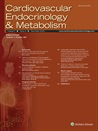
Cardiovascular Endocrinology & Metabolism
Connecting the Dots Between Endocrine Function and Heart HealthCardiovascular Endocrinology & Metabolism is a leading open-access journal dedicated to advancing our understanding of the interconnections between cardiovascular health and endocrine functions. Published by Lippincott Williams & Wilkins, this journal serves as a vital resource for researchers and clinicians alike, providing timely insights into the intricate relationships between metabolic disorders and cardiovascular diseases. With an impressive impact factor and categorized in Q2 for both Cardiology and Cardiovascular Medicine as well as Endocrinology, Diabetes, and Metabolism, it holds a significant position within its respective fields. The journal has been fully open access since its inception in 2012, ensuring that critical research is accessible to a global audience. By fostering innovation and collaboration, Cardiovascular Endocrinology & Metabolism aims to promote better health outcomes and stimulate novel research directions, making it an essential resource for professionals striving to bridge the gaps between these two critical domains.

Archives of Endocrinology Metabolism
Fostering innovation in endocrinology research.Archives of Endocrinology Metabolism is a distinguished open-access journal dedicated to advancing the field of endocrinology and metabolism. Published by SBEM-SOC BRASIL ENDOCRINOLOGIA & METABOLOGIA, this journal has established itself as a vital platform for researchers, clinicians, and scholars since its inception in 2008. With an ISSN of 2359-3997 and E-ISSN of 2359-4292, it aims to disseminate high-quality research articles that explore the latest advancements in endocrinology, diabetes, and metabolism. As of 2023, it has achieved a commendable Q3 ranking in its field, demonstrating its relevancy and increasing visibility among peers. The journal's focus spans various sub-disciplines, including hormonal regulation, metabolic disorders, and innovative therapies, making it an essential resource for both emerging professionals and seasoned experts alike. With a rich repository of research from Brazil and beyond, Archives of Endocrinology Metabolism continuously seeks to contribute to the ongoing dialogue and collaboration within the global scientific community.
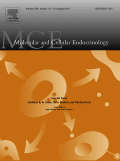
MOLECULAR AND CELLULAR ENDOCRINOLOGY
Bridging molecular biology and endocrinology for groundbreaking discoveries.MOLECULAR AND CELLULAR ENDOCRINOLOGY, published by Elsevier Ireland Ltd, stands as a pivotal resource in the fields of biochemistry, endocrinology, and molecular biology. With an ISSN of 0303-7207 and E-ISSN of 1872-8057, this esteemed journal has been disseminating significant findings since its inception in 1974 and continues to do so through 2024. Ranked in the Q1 quartile for Biochemistry and Q2 for both Endocrinology and Molecular Biology, it is recognized for its impactful contributions to research, holding impressive Scopus rankings that place it at the forefront of its category. The journal's wide-reaching influence is underscored by its commitment to quality, ensuring that only the most impactful articles advance the understanding of cellular mechanisms and hormonal regulation. Although not open-access, its relevance and rigorous peer-review process make it an essential read for researchers, professionals, and students eager to explore the complexities of endocrinology and biochemistry.