
HYSTRIX-Italian Journal of Mammalogy
metrics 2024
Unveiling Insights into Mammals and Their Conservation
Introduction
HYSTRIX-Italian Journal of Mammalogy, published by the Associazione Teriologica Italiana, is a prestigious open access journal that has been at the forefront of mammalogy research since 1986. With an ISSN of 0394-1914 and an E-ISSN of 1825-5272, this journal is uniquely positioned in the realms of Animal Science, Zoology, and Ecology, as reflected in its Q2 and Q3 quartile rankings for the year 2023. Based in Italy, it serves as a prominent platform for the dissemination of groundbreaking research and studies, striving to foster a deeper understanding of mammalian biology and conservation. The journal's commitment to open access ensures that knowledge is readily available to researchers and students worldwide, bolstering the global academic community. With a dedicated editorial team, HYSTRIX invites contributions that cover a wide array of topics encompassing ecological evolution, behavior, and systematics of mammals, driving forward the discourse in these vital fields.
Metrics 2024
 0.381.801.7031
Metrics History
Rank 2024
Scopus
IF (Web Of Science)
JCI (Web Of Science)
Quartile History
Similar Journals
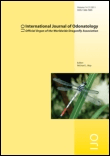
INTERNATIONAL JOURNAL OF ODONATOLOGY
Illuminating the Science of Dragonflies and DamselfliesINTERNATIONAL JOURNAL OF ODONATOLOGY, published by Wachholtz Verlag GmbH, is a vital resource for researchers and professionals in the fields of Ecology, Evolution, Behavior, and Insect Science. Established in 1998, this journal provides a platform for the dissemination of innovative research pertaining to odonatology, encompassing the ecological and biological interactions of dragonflies and damselflies. With its focus on advancing knowledge within these scientific disciplines, the journal holds a commendable Q3 ranking in Ecology, Evolution, Behavior and Systematics and a Q2 ranking in Insect Science for 2023, reflecting its significance in academic circles. Although it operates without open access, its articles are accessible through institutional subscriptions, allowing for wide dissemination among scholars and practitioners. The journal's commitment to publishing high-quality, peer-reviewed research makes it an authoritative source of information that enriches the study of odonates and their broader ecological contexts. For inquiries, the journal's editorial team can be reached at C/O Fleet7, Fleethorn 7, Kiel 24103, Germany.

RUSSIAN JOURNAL OF THERIOLOGY
Advancing the Frontiers of Terrestrial EcosystemsRUSSIAN JOURNAL OF THERIOLOGY is a prominent academic journal published by KMK SCIENTIFIC PRESS LTD in collaboration with the esteemed Moscow State University. As a dedicated platform for researchers in the fields of Animal Science and Zoology, Ecology, Evolution, Behavior and Systematics, and Plant Science, this journal strives to advance our understanding of terrestrial ecosystems and their inhabitants. Although it currently holds a Q4 ranking and ranks within the lower percentiles of its respective categories, the journal's consistent publishing output since 2011 showcases a commitment to facilitating scientific discourse and collaboration. Addressed to a diverse audience of researchers, professionals, and students, RUSSIAN JOURNAL OF THERIOLOGY serves as an essential resource for disseminating valuable insights and fostering future advancements in the biological sciences.

ZHURNAL OBSHCHEI BIOLOGII
Celebrating Over 75 Years of Biological ResearchZHURNAL OBSHCHEI BIOLOGII, published by MEZHDUNARODNAYA KNIGA in the Russian Federation, is a venerable journal with a rich history originating in 1945. Renowned for its contributions to the fields of Ecology, Evolution, Behavior, and Systematics, as well as Medicine (miscellaneous), this journal provides a platform for researchers and professionals to disseminate significant findings within these domains. Although currently not classified as an open access publication, ZHURNAL OBSHCHEI BIOLOGII holds a Q4 quartile designation in its respective categories, reflecting its unique positioning within the global research landscape. While its coverage in Scopus is limited, the journal remains an important resource for academics interested in the evolution of biological sciences, especially within the context of Russian research traditions. By fostering scholarly communication and collaboration, ZHURNAL OBSHCHEI BIOLOGII continues to play a critical role in advancing knowledge in the biological sciences.
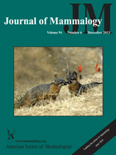
JOURNAL OF MAMMALOGY
Unveiling Insights into the World of MammalsJournal of Mammalogy, published by Oxford University Press Inc, is a premier journal dedicated to the field of mammalogy, providing a key platform for researchers and professionals interested in the biology, ecology, and conservation of mammals. With a prestigious impact factor reflected in its Q1 ranking in Animal Science and Zoology, and multiple Q2 rankings in related categories such as Ecology and Genetics for 2023, this journal is recognized for its significant contribution to advancing knowledge in the discipline. The journal features rigorous peer-reviewed articles, ensuring high-quality research output valuable for students, academia, and conservation efforts alike. While not an open-access journal, it offers comprehensive subscription options for institutions and individual readers, promoting accessibility to critical findings in the realm of mammal research. Established in the earlier years of the 20th century, the Journal of Mammalogy has continuously evolved, serving as an integral resource for disseminating innovative studies and insights that drive the future of mammalian sciences.

PLANT SPECIES BIOLOGY
Exploring the Intricacies of Plant Species and EcosystemsPLANT SPECIES BIOLOGY, published by WILEY in the United Kingdom, is a prominent journal dedicated to advancing the understanding of plant species, their biology, ecology, and roles within ecosystems. With an impressive convergence of research dating back to 1986 and extending through 2024, this journal caters specifically to specialists in the fields of plant science and ecology. The journal's current impact factor further underscores its significance, ranking in the Q2 quartile across three relevant categories: Ecology, Ecology, Evolution, Behavior and Systematics, and Plant Science. As a member of the Scopus ranks, it holds respectable positions within its categories, evidencing its contribution to impactful scientific discussions and knowledge. Although it is not an open-access journal, PLANT SPECIES BIOLOGY provides essential insights, fostering interdisciplinary dialogue and discovery for researchers, professionals, and students dedicated to exploring the complexities of plant species and their ecosystems.

Journal of Vertebrate Biology
Advancing knowledge in vertebrate biology.Journal of Vertebrate Biology, a reputable publication established by the Institute of Vertebrate Biology in the Czech Republic, serves as a vital platform for research across the fields of Animal Science and Zoology, Aquatic Science, and Ecology, Evolution, Behavior and Systematics. With its ISSN 2694-7684 and a commendable 2023 Q2 ranking in multiple categories, this open-access journal embraces innovative scientific inquiry and fosters academic discourse. The journal's commitment to disseminating high-quality research is reflected in its Scopus rankings, positioning it within the top quartile in several impactful areas. As it continues to converge its focus until 2024, researchers, professionals, and students alike are encouraged to engage with cutting-edge studies that advance our understanding of vertebrate biology. This publication stands out not only in its scholarly contributions but also in enhancing global awareness of biodiversity and conservation issues.

Austral Entomology
Connecting Basic Research with Practical SolutionsAustral Entomology, published by Wiley, is a leading journal in the field of entomology, specializing in the study of insects within the wider context of agronomy, ecology, and evolutionary biology. With an impact factor that reflects its growing influence and a commendable H-Index, this journal serves a vital role in disseminating cutting-edge research that bridges the gap between basic entomological studies and applied agricultural practices. Since its inception in 2014, Austral Entomology has maintained a strong commitment to open access, fostering a collaborative environment for researchers and practitioners. Recognized within category quartiles Q2 across multiple fields such as Agronomy and Crop Science and Ecology, it ranks impressively among journals in Insect Science, showcasing the significance of its contributions to understanding insect behavior, ecology, and systematics. Given its robust accessibility options, the journal not only enhances the visibility of entomological research but also empowers professionals and students alike to engage with and apply findings in real-world contexts.
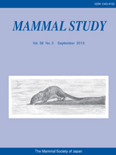
MAMMAL STUDY
Exploring the diverse world of mammals and their ecosystems.Mammal Study, published by the Mammalogical Society of Japan, is a leading academic journal dedicated to the field of mammalogy and related biological sciences. Since its inception, it has provided a critical platform for researchers, professionals, and students to share their findings and insights into the diverse facets of mammalian biology, ecology, and conservation. The journal, with ISSN 1343-4152 and E-ISSN 1348-6160, is recognized for its rigorous peer-review process and has attained a commendable Q3 ranking in the 2023 category of Animal Science and Zoology. With an impact factor reflecting its growing influence—ranking 283 out of 490 in Scopus—we welcome contributions that advance the understanding of mammalian species and their habitats. While access to published articles is through traditional channels, the journal aims to reach an even wider audience by fostering greater awareness and appreciation for mammalian research and conservation efforts. The Mammal Study has converged years of insightful publications from 2008 to 2024, solidifying its position as a vital resource in the biological sciences.
ORNITHOLOGICAL SCIENCE
Fostering impactful discourse in ornithological research.ORNITHOLOGICAL SCIENCE, published by the Ornithological Society of Japan in collaboration with the University of Tokyo, stands as a pivotal platform for advancing knowledge in the field of ornithology. With a keen focus on avian biology and conservation, this esteemed journal is dedicated to publishing high-quality research, reviews, and technical notes that explore the intricacies of bird science. Although currently categorized within the Q4 quartile in Animal Science and Zoology, the journal aims to elevate its standings by fostering scholarly communication and impactful scientific discourse. This journal has been consistently publishing since its inception in 2002, with a brief hiatus before resuming its invaluable contributions to the scientific community in 2009. Despite the absence of specific open access options, the journal remains a crucial resource for researchers, professionals, and students seeking to expand their understanding of avian ecology and behavior. Through its comprehensive scope, ORNITHOLOGICAL SCIENCE reflects the increasing importance of ornithological studies in addressing global biodiversity issues and conservation challenges.
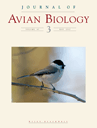
JOURNAL OF AVIAN BIOLOGY
Unveiling the secrets of avian life through rigorous study.Journal of Avian Biology, published by Wiley, is a leading journal in the field of animal science and zoology, with an impressive impact factor highlighting its significance in advancing our understanding of avian ecology and behavior. Since its inception in 1994, this journal has provided a vital platform for researchers, professionals, and students to share innovative studies and findings related to avian biology, contributing to a broader understanding of ecological dynamics and conservation strategies. Recognized in the Q1 category for Animal Science and Zoology and Q2 for Ecology, Evolution, Behavior and Systematics, it ranks 112th out of 490 in its primary field, demonstrating a strong percentile performance. The journal invites submissions that explore diverse aspects of avian research, fostering interdisciplinary discussions that are crucial for ongoing scientific inquiries. With both print and electronic formats, it maintains an accessible repository of knowledge for the global conservation community. Engage with the latest in avian studies through the Journal of Avian Biology and contribute to the evolution of this critical field.