
IN PRACTICE
Scope & Guideline
Cultivating a deeper understanding of veterinary trends.
Introduction
Aims and Scopes
- Clinical Practice and Patient Management:
The journal emphasizes methodologies and guidelines for diagnosing and treating a variety of conditions in different species, including cats, dogs, livestock, and exotic animals. - Veterinary Ethics and Professionalism:
It explores ethical dilemmas and professional standards in veterinary practice, encouraging discussions on client interactions, consent, and the responsibilities of veterinary professionals. - Sustainable Veterinary Practices:
The journal promotes sustainable practices within veterinary medicine, including discussions on environmental impact, resource management, and welfare considerations for animals. - Innovations in Veterinary Medicine:
Focuses on the latest advancements and technologies in veterinary care, such as diagnostic tools, treatment protocols, and surgical techniques. - Education and Professional Development:
Addresses the importance of continuous learning, skill development, and the evolving landscape of veterinary education and career pathways.
Trending and Emerging
- Telemedicine and Remote Consultations:
With the rise of digital technology, there is an emerging trend in exploring telemedicine solutions and remote consultations, particularly in response to the Covid-19 pandemic. - Mental Health and Wellbeing in Veterinary Professionals:
Recent publications highlight the importance of mental health and wellbeing for veterinary staff, addressing stress management, burnout, and the need for supportive work environments. - Client Communication and Engagement Strategies:
Innovations in client communication, particularly how to effectively engage clients in their pets' healthcare decisions, are becoming increasingly relevant. - Focus on Animal Welfare and Ethics:
There is a growing emphasis on animal welfare considerations, ethical debates surrounding veterinary practices, and compassionate care protocols. - Advancements in Diagnostic and Treatment Technologies:
The journal is increasingly featuring advancements in diagnostic tools and treatment technologies, particularly in the context of improving patient outcomes.
Declining or Waning
- Traditional Species-Specific Practices:
There is a noticeable decrease in papers focused solely on traditional practices for common domestic animals, as the journal increasingly addresses broader and more integrated approaches to veterinary care. - Less Emphasis on Non-Clinical Topics:
Topics that revolve around non-clinical aspects of veterinary practice, such as simple management advice or basic client interactions, seem to be waning in favor of more complex and clinical discussions. - Reduction in Generalist Veterinary Topics:
Generalist topics that do not delve into specific areas of veterinary medicine are appearing less frequently, indicating a shift towards specialized and advanced veterinary practices.
Similar Journals

CANADIAN JOURNAL OF VETERINARY RESEARCH-REVUE CANADIENNE DE RECHERCHE VETERINAIRE
Advancing Veterinary Science for a Healthier TomorrowCanadian Journal of Veterinary Research - Revue Canadienne de Recherche Vétérinaire is a leading publication in the veterinary science community, published by the Canadian Veterinary Medical Association. Established in 1986, the journal serves as a crucial resource for researchers and practitioners alike, covering a broad spectrum of topics pertinent to veterinary medicine and animal health. With a current impact factor placing it in Q2 in the Veterinary (miscellaneous) category, it holds a rank of #85 out of 194 in Scopus for general veterinary research, demonstrating its influence and importance within the field. While the journal is not open access, it remains committed to the dissemination of high-quality research that fosters advancements in veterinary practice and education. Based in Ottawa, Canada, it strives to connect the international community of veterinary researchers and professionals through rigorous peer-reviewed articles that advance knowledge and methodologies in veterinary science.
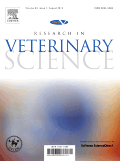
RESEARCH IN VETERINARY SCIENCE
Transforming Animal Care Through Groundbreaking StudiesRESEARCH IN VETERINARY SCIENCE, published by Elsevier Science Ltd, stands as an authoritative platform in the field of veterinary studies. With its origins dating back to 1965, this prestigious journal is recognized for its contribution to the advancement of veterinary knowledge and practices, boasting a remarkable Q1 categorization in Veterinary (miscellaneous) and ranking 24th out of 194 in the Scopus veterinary general category, placing it in the top 13% of its field. The journal presents a diverse range of research articles that explore critical topics in veterinary science, thereby facilitating evidence-based practices and innovations. Although currently not an open-access journal, it remains highly accessible through institutional and personal subscriptions, allowing researchers, professionals, and students to benefit from its rich collection of studies. As it moves toward 2024, RESEARCH IN VETERINARY SCIENCE continues to be a vital resource for those dedicated to improving animal health and advancing veterinary science.

Journal of Veterinary Research
Illuminating the path to veterinary excellence.The Journal of Veterinary Research, published by SCIENDO, is a leading open-access journal dedicated to advancing the field of veterinary science. Established in Poland and accessible globally since 2012, this journal serves as a pivotal platform for researchers, professionals, and students, promoting the dissemination of high-quality research and innovative findings in veterinary medicine. With a robust impact factor reflective of its Q2 ranking in the Veterinary (miscellaneous) category for 2023, it ranks 54th out of 194 in the general veterinary field, placing it in the 72nd percentile among its peers. The Journal of Veterinary Research explores a wide variety of topics pertinent to veterinary practice, animal health, and research methodologies, making it an essential resource for academics and practitioners alike. Authors benefit from the journal's open-access model, which ensures their research is freely available to a broader audience, thus fostering collaboration and innovation within the veterinary community.

CANADIAN VETERINARY JOURNAL-REVUE VETERINAIRE CANADIENNE
Innovating veterinary practices with cutting-edge research.Canadian Veterinary Journal - Revue Vétérinaire Canadienne is a prominent peer-reviewed journal published by the Canadian Veterinary Medical Association. Established in 1965, this journal aims to advance knowledge within the field of veterinary medicine and contributes significantly to the development of veterinary practices through the dissemination of high-quality research. With a robust focus on both general and specialized veterinary studies, the journal holds a Q2 ranking in the Veterinary (miscellaneous) category and a Q3 categorization in Medicine (miscellaneous) as of 2023, reflecting its vital role in academic discourse. Researchers and professionals can expect a diverse range of topics that explore the intricacies of animal health and welfare, making it a vital resource for advancing veterinary science in Canada and beyond. Although the journal does not operate under an open access model, it remains a respected platform for disseminating impactful research. With a long-standing tradition of excellence, the Canadian Veterinary Journal is an invaluable tool for veterinarians, researchers, and students committed to enhancing animal health and veterinary practices.
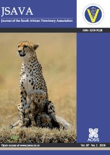
Journal of the South African Veterinary Association
Empowering Animal Health with Quality ResearchJournal of the South African Veterinary Association is a prominent Open Access journal dedicated to advancing the field of veterinary science since its inception in 1945. Published by MEDPHARM PUBLICATIONS PTY LTD, this journal stands out with an impactful HIndex and a commendable categorization in 2023, ranking Q3 in Medicine (miscellaneous) and Q2 in Veterinary (miscellaneous). With a Scopus rank of 96 out of 194 in the veterinary field, it serves as an essential resource for researchers, veterinary professionals, and students, promoting the dissemination of high-quality research and knowledge. The journal offers a platform for peer-reviewed articles covering diverse topics relevant to veterinary and animal health issues, encouraging expansive dialogue and collaboration within the academic community. Based in Centurion, South Africa, and accessible globally since it adopted an Open Access model in 1997, the journal exemplifies a commitment to accessibility and the sharing of knowledge.
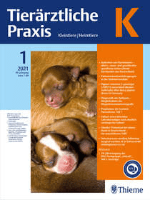
TIERAERZTLICHE PRAXIS AUSGABE KLEINTIERE HEIMTIERE
Transforming pet care through dedicated scholarship.TIERAERZTLICHE PRAXIS AUSGABE KLEINTIERE HEIMTIERE, published by GEORG THIEME VERLAG KG, is a leading journal in the field of veterinary medicine, particularly focusing on small companion animals. With an ISSN of 1434-1239 and E-ISSN 2567-5842, this esteemed publication has been a vital resource for clinicians, researchers, and students since its inception in 1997. The journal operates within a categorized rank of Q3 in Small Animals for the year 2023, placing it among the notable resources in its niche. Although it offers no open access options, the journal compiles comprehensive research, case studies, and clinical guidelines that are indispensable for advancing veterinary knowledge and practices. With a dedicated focus on the dynamics of small animal care and the latest developments in treatment methodologies, TIERAERZTLICHE PRAXIS AUSGABE KLEINTIERE HEIMTIERE serves as an essential platform for disseminating innovative veterinary science that significantly contributes to the well-being of our beloved pets.

JOURNAL OF VETERINARY MEDICAL EDUCATION
Advancing Veterinary Education through Innovative ResearchJOURNAL OF VETERINARY MEDICAL EDUCATION, published by UNIV TORONTO PRESS INC, serves as a vital platform for disseminating scholarly research and innovative educational practices within the fields of veterinary medicine and education. With an ISSN of 0748-321X and an E-ISSN of 1943-7218, this journal encompasses a broad scope dedicated to enhancing veterinary medical education, ensuring that it remains relevant amid evolving practices in animal health and welfare. The journal is indexed in Scopus, showcasing a respected standing among peers with a Q2 quartile ranking in Education and Veterinary Medicine, as well as a Q3 in Medicine (miscellaneous). Its influence is further marked by its percentile ranking, placing it in the 62nd for Veterinary General categories and the 52nd in Social Sciences Education. Although it does not currently offer open access, the JOURNAL OF VETERINARY MEDICAL EDUCATION is crucial for researchers and practitioners aiming to advance educational methodologies and integration of veterinary sciences, especially between the years 1996 to 1998 and 2000 to 2024. Located in Toronto, Canada, the journal has developed a community of scholars that continuously contribute to the enhancement of veterinary education, making it an essential resource for anyone involved in the training and ongoing education of veterinary professionals.

MAGYAR ALLATORVOSOK LAPJA
Bridging Tradition and Innovation in Veterinary ResearchMAGYAR ALLATORVOSOK LAPJA is a prominent journal dedicated to the field of veterinary science, published by MEZOGAZDA KIADO KFT in Hungary. With its inaugural issue dating back to 1950 and a continued presence into 2024, this journal serves as a vital platform for disseminating research and advancements in veterinary medicine and related areas. While the journal currently holds a Q4 classification in the Veterinary (miscellaneous) category, it provides a critical outlet for emerging findings and perspectives that may not be covered in more mainstream publications. Researchers, professionals, and students engaged in the veterinary field will benefit from its diverse range of articles, which are crucial for fostering knowledge and innovation in veterinary practice. Though it does not offer an open access option, the journal remains an essential resource for those looking to deepen their understanding of the veterinary landscape. The commitment to advancing the field is evident in every publication, making MAGYAR ALLATORVOSOK LAPJA a noteworthy contribution to veterinary literature.

Medycyna Weterynaryjna-Veterinary Medicine-Science and Practice
Innovating Animal Health Through Science and PracticeMedycyna Weterynaryjna-Veterinary Medicine-Science and Practice, published by the Polish Society of Veterinary Sciences Editorial Office, stands as a significant contributor to the field of veterinary medicine, focusing on various aspects of animal health and clinical practice. Established in 1945, this journal has continuously evolved, embracing the latest developments in veterinary science, making it an essential resource for researchers, professionals, and students alike. With an ISSN of 0025-8628, it is indexed in Scopus, currently ranked in the 22nd percentile within the Veterinary category, and has accordingly been placed in Q4 of the category quartiles as of 2023, reflecting its niche yet vital contributions to the field. Although currently not open access, the journal’s value is underscored by its dedication to disseminating scientific knowledge and advancements that enhance animal health and welfare in Poland and beyond. The editorial office is located in Lublin, Poland, serving as a hub for veterinary professionals seeking to publish and stay updated on contemporary issues in veterinary practice.
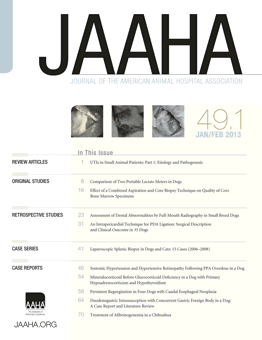
JOURNAL OF THE AMERICAN ANIMAL HOSPITAL ASSOCIATION
Advancing veterinary excellence through insightful research.JOURNAL OF THE AMERICAN ANIMAL HOSPITAL ASSOCIATION (ISSN: 0587-2871, E-ISSN: 1547-3317), published by the American Animal Hospital Association, is a premier resource for veterinary professionals, researchers, and students focusing on the field of veterinary medicine. Established in 1973, this esteemed journal serves as a vital platform for disseminating cutting-edge research and clinical insights in the management and care of small animals, boasting a remarkable Q1 ranking in Small Animals and a Q2 ranking in Medicine (miscellaneous), reflecting its high impact in the field. With a Scopus rank of #6 in the veterinary small animals category and a 72nd percentile standing, it offers valuable content covering a diverse range of topics pertinent to animal health and welfare. Although not open access, the journal provides essential resources that contribute significantly to the ongoing professional development of veterinary practitioners and the broader scientific community, thus solidifying its status as a cornerstone of veterinary literature.