
Innovation in Aging
Scope & Guideline
Exploring innovative solutions for aging challenges.
Introduction
Highly-cited Topics
- Epigenetics and Aging:
Research on DNA methylation and epigenetic age has garnered significant attention due to its implications for understanding biological aging and age-related diseases. The universal nature of these findings across different tissues enhances their relevance, leading to higher citation rates. - Technology and Aging:
Studies exploring the effectiveness of technology, such as companion robots and virtual reality, in improving the quality of life for older adults resonate with ongoing trends in digital health. Given the rapid technological advancements and their integration into elder care, this area is likely to draw substantial academic interest and citations. - Cognitive Health and Dementia Care:
Research focusing on cognitive impairment, dementia caregiving, and associated interventions is critical as populations age. Systematic reviews and meta-analyses in this domain are particularly impactful as they synthesize existing knowledge, making them valuable resources for both researchers and practitioners. - Social Isolation and Loneliness:
The impact of social factors on mental health, particularly in the context of aging, is increasingly recognized. Studies addressing loneliness, social networks, and their health implications are likely to attract citations due to their relevance in current public health discussions. - Health Disparities in Aging:
Research examining racial, ethnic, and socioeconomic disparities in health outcomes among older adults is crucial for informing policy and practice. This area is of high interest as it addresses systemic issues and seeks to improve care for marginalized populations, leading to potential high citation counts. - Physical Health and Fall Prevention:
The association between physical health, medications, and fall risks among older adults is a growing area of concern, particularly in light of increasing rates of falls in this demographic. Research that evaluates fall prevention strategies and their efficacy is likely to be widely cited. - Mental Health and Aging:
Investigating the psychological aspects of aging, including resilience, depression, and the effects of caregiving, is vital as mental health becomes a priority in gerontology. The increasing recognition of mental health issues in older adults will likely lead to higher citation rates for relevant studies. - Community and Environmental Influences on Aging:
Research that explores how community design and environmental factors affect the health and well-being of older adults is gaining traction. As urban planning increasingly considers aging populations, studies in this field are expected to attract interest and citations. - Interventions and Care Models for Older Adults:
Innovative care models and intervention strategies aimed at improving the quality of life for older adults, particularly during crises like the COVID-19 pandemic, are crucial for future research. This area is likely to attract citations due to its practical implications and relevance to ongoing challenges in elder care. - Health Technology Assessment and Implementation:
Research assessing the implementation of health technologies in aging populations, including remote monitoring and telehealth, is essential as these technologies become standard practice. Studies that evaluate their effectiveness and feasibility will attract significant academic attention and citations.
Similar Journals
Nature Aging
Innovating Insights into Aging MechanismsNature Aging, published by SPRINGERNATURE in Germany, stands as a premier journal dedicated to advancing the field of aging research. With high-ranking performance indicators, including a Q1 classification in Aging, Geriatrics and Gerontology, and Neuroscience (miscellaneous), this journal emphasizes the interdisciplinary nature of aging studies. Its Scopus rankings highlight its impact, achieving remarkable positions such as #1 in Neuroscience and #2 in both Geriatrics and Biochemistry for aging-related research. Although currently not open access, Nature Aging provides a wealth of cutting-edge research and critical reviews that aid researchers and practitioners in understanding the complexities of aging mechanisms and their implications. As the field continues to evolve from 2021 through 2024, this journal not only facilitates the dissemination of knowledge but also fosters innovative discussions that propel the science of aging forward. Join the vibrant community of scholars and professionals dedicated to solving the challenges associated with aging by engaging with the content published in Nature Aging.
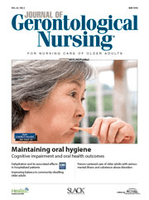
Journal of Gerontological Nursing
Transforming Nursing Practice for Older AdultsThe Journal of Gerontological Nursing, published by SLACK INC, is a leading peer-reviewed journal dedicated to advancing the field of gerontological nursing through innovative research, clinical practice, and educational advancements. Since its inception in 1975, this journal has become a crucial resource for researchers, healthcare professionals, and students interested in the care and management of older adults. With an impact factor that reflects its significance within the disciplines of gerontology and nursing (Category Quartiles: Q3 in Gerontology and Q3 in Nursing), it serves as a platform for disseminating vital findings, best practices, and evidence-based approaches aimed at improving the quality of life for the aging population. While the journal maintains a print-only format, its content is invaluable for those looking to stay ahead in the rapidly evolving landscape of gerontological care. As it continues to publish until 2024, the Journal of Gerontological Nursing invites contributions that foster dialogue and innovation within this essential area of healthcare.
Ageing International
Transforming Perspectives on Aging for Future GenerationsAgeing International, published by SPRINGER, is a distinguished journal that has been at the forefront of scholarly research in the field of gerontology and aging studies since its inception in 1974. With an ISSN of 0163-5158 and an E-ISSN of 1936-606X, this journal provides a platform for high-quality, peer-reviewed articles that address the multifaceted aspects of aging on both individual and societal levels. Recognized as a Q2 category journal in Health (social science) for 2023, Ageing International plays a critical role in disseminating knowledge that influences practice, policy, and future research directions in the ever-evolving landscape of aging. Researchers, professionals, and students will find this journal indispensable for staying current with cutting-edge analyses and discussions, as it holds a Scopus rank of #168 in the social sciences realm, placing it within the 54th percentile of its category. Although it does not offer an open-access model, its extensive archive and ongoing contributions to the literature make it essential reading for anyone engaged in understanding the challenges and opportunities of aging in society. The editorial office is located at ONE NEW YORK PLAZA, SUITE 4600, NEW YORK, NY 10004, UNITED STATES, further emphasizing its dedicated presence in the academic community.
ZEITSCHRIFT FUR GERONTOLOGIE UND GERIATRIE
Illuminating the path to improved elder care practices.ZEITSCHRIFT FUR GERONTOLOGIE UND GERIATRIE, published by SPRINGER HEIDELBERG, is an authoritative journal dedicated to advancing the field of geriatrics and gerontology. With its ISSN 0948-6704 and E-ISSN 1435-1269, this journal has been a significant source of scholarly articles since its inception in 1995, catering to researchers and practitioners amid the growing importance of ageing studies. While it currently holds a Q4 ranking in Geriatrics and Gerontology and a Q3 ranking in Gerontology and Social Sciences, its contribution spans vital topics related to health ethics and legal aspects—reflecting a comprehensive view of the challenges faced in elder care. Although it is not an open-access journal, its rigorous peer-review process ensures that the research published is of high quality and relevance. Based in Heidelberg, Germany, the journal aims to foster discourse and disseminate crucial research findings that impact the health of elderly populations, making it an essential resource for researchers, healthcare professionals, and students devoted to improving geriatric care and understanding the complexities associated with ageing.
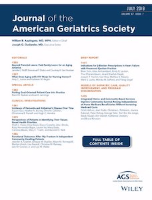
JOURNAL OF THE AMERICAN GERIATRICS SOCIETY
Elevating Standards of Care for Older AdultsJOURNAL OF THE AMERICAN GERIATRICS SOCIETY, published by Wiley, stands as a leading resource in the field of geriatrics and gerontology. Established in 1953 and converging into a comprehensive academic platform through 2024, this esteemed journal is recognized for its high impact, holding a Q1 ranking in its category for 2023. It serves as a vital conduit for innovative research, clinical practices, and policy discussions aimed at improving the health and well-being of older adults. With a commitment to advancing geriatric medicine, the journal contributes significantly to the ongoing dialogue among researchers, healthcare professionals, and students dedicated to this rapidly evolving field. Although currently not offering open access options, the journal remains invaluable for those seeking to access pivotal studies and reviews that shape the future of geriatrics.
Current Geriatrics Reports
Empowering research to enhance the lives of the aging population.Current Geriatrics Reports is a pivotal journal published by SPRINGER, dedicated to disseminating cutting-edge research and insights in the dynamic field of geriatrics and gerontology. Launched in 2014 and ongoing until 2024, this journal plays a critical role in addressing the complex needs and challenges faced by the aging population. Although it currently holds a Q4 quartile ranking in its category and occupies the 84th position out of 116 in the Scopus metrics for Medicine, Geriatrics, and Gerontology, it serves as a vital platform for emerging research that shapes clinical practices and policy-making. Researchers, professionals, and students alike will find Current Geriatrics Reports to be an invaluable resource for staying updated on advancements, best practices, and innovations in geriatric care. While the journal is not open access, it continues to impact the field significantly and enrich contemporary discussions surrounding aging.

Journal of Gerontology and Geriatrics
Pioneering Studies in Gerontology and GeriatricsJournal of Gerontology and Geriatrics, published by PACINI EDITORE, is a crucial resource for those dedicated to the study of aging and geriatric health. Since its inception in 2016, this journal has aimed to disseminate high-quality research and findings that address the intricate biological, social, and psychological aspects of aging. With ISSN 2499-6564 and E-ISSN 2499-6564, it strives to foster discussions that enhance our understanding of gerontology and geriatrics on a global scale, despite its current positioning in the Q4 quartile of academic rankings. Located in Pisa, Italy, the journal invites contributions from researchers, professionals, and students who are passionate about advancing knowledge in these critical fields. Although it currently does not offer open access, the journal plays a vital role in connecting the community with essential insights that guide both research and practice in geriatric care.
npj Aging and Mechanisms of Disease
Unraveling the Secrets of Aging and Diseasenpj Aging and Mechanisms of Disease is a leading open-access journal dedicated to advancing the understanding of the biological mechanisms underlying aging and age-related diseases. Published by NATURE PORTFOLIO in the United Kingdom, this journal has established itself as a vital resource within the fields of Aging and Geriatrics and Gerontology, proudly holding a prestigious Q1 ranking in both categories as of 2023. With an impressive Scopus ranking, placing it in the top 10 for Geriatrics and Gerontology, and the top 9 for Aging, the journal is committed to disseminating high-quality, peer-reviewed research that offers innovative insights and fosters collaboration among researchers and practitioners. Since its inception in 2015, npj Aging and Mechanisms of Disease has embraced the open-access model, ensuring that groundbreaking findings are freely available to all, thereby promoting widespread knowledge-sharing within the scientific community. This journal serves as an essential platform for those seeking to explore the complex interplay of genetic, molecular, and environmental factors that influence aging and its associated challenges.
ARCHIVES OF GERONTOLOGY AND GERIATRICS
Shaping the future of geriatric practice through research.The Archives of Gerontology and Geriatrics, published by Elsevier Ireland Ltd, is a leading journal in the fields of Aging and Geriatrics and Gerontology. With an ISSN of 0167-4943 and an E-ISSN of 1872-6976, it has established itself as a crucial platform for disseminating high-quality research focused on the biological and psychosocial aspects of aging. The journal holds an impressive Q2 ranking in both Aging and Geriatrics and Gerontology, and a Q1 ranking in Gerontology and Health (Social Science) as of 2023, reflecting its significant impact in these disciplines. Additionally, the journal is ranked #33/371 in Social Sciences (Health) and #5/39 in Nursing (Gerontology) according to Scopus, showcasing its esteemed position in the academic community. Although currently not open access, the journal offers a wealth of research articles from 1982 to the upcoming 2025 that are vital for stakeholders including researchers, healthcare professionals, and students aiming to advance their understanding of aging processes and policies. Titles published within its pages contribute to shaping agendas in public health and gerontological practice, making it an essential resource for those involved in the study of the elderly population.
Aging Medicine and Healthcare
Connecting Research and Practice in GeriatricsAging Medicine and Healthcare is a leading Open Access journal dedicated to advancing the understanding of geriatric health and the complexities of aging. Published by the Asia Pacific League Clinical Gerontology & Geriatrics, this innovative journal began its journey in 2019 and has since established itself as an important resource for healthcare professionals, researchers, and students interested in the fields of geriatrics and gerontology. With an impact factor that reflects its growing significance (ranked in the 21st percentile within its category), the journal aims to disseminate high-quality research and practical insights that can inform clinical practice and enhance patient care for aging populations. As an Open Access publication, it ensures that research findings are freely accessible, fostering collaboration and knowledge sharing among academics and practitioners globally. The journal is poised to be a vital platform for innovative studies, systematic reviews, and case reports that illuminate the challenges and opportunities in aging medicine.