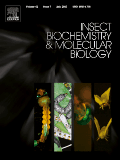
INSECT BIOCHEMISTRY AND MOLECULAR BIOLOGY
metrics 2024
Advancing the Frontiers of Insect Science
Introduction
INSECT BIOCHEMISTRY AND MOLECULAR BIOLOGY, published by Pergamon-Elsevier Science Ltd, stands at the forefront of interdisciplinary research focusing on the biochemical and molecular processes in insects. This esteemed journal, with an ISSN of 0965-1748 and E-ISSN of 1879-0240, serves as a vital resource for scientists and researchers interested in the intricacies of insect physiology and genetics. With a significant presence in the academic community, it holds impressive rankings, including Q2 in Biochemistry and Q1 in Insect Science according to the latest quartiles, reflecting its critical role in advancing knowledge in these fields. The journal's convergence of content from 1992 to 2024 illustrates its commitment to fostering long-term scholarly discourse. Researchers will appreciate its impact within the Agricultural and Biological Sciences and its contributions to understanding the molecular biology of insects. Although not an open-access journal, it provides complementary insights into the biochemistry and genetics of insects, making it indispensable for anyone keen on pushing the boundaries of entomological science.
Metrics 2024
 0.913.203.70132
Metrics History
Rank 2024
Scopus
IF (Web Of Science)
JCI (Web Of Science)
Quartile History
Similar Journals

CANADIAN ENTOMOLOGIST
Advancing Knowledge in Entomological ScienceCanadian Entomologist, published by Cambridge University Press, is a prominent journal dedicated to the field of entomology, covering key areas such as insect science, ecology, and evolutionary biology. With its origins dating back to 1868, this esteemed journal has continuously contributed to the understanding of insect behavior, systematics, and physiology, engaging researchers and professionals alike. Although currently not an Open Access journal, it offers valuable insights through its rigorously peer-reviewed articles, reflecting its commitment to scientific excellence. The journal has garnered a respectable Q3 ranking in various categories, including Ecology, Evolution, Behavior, and Systematics, making it a critical resource for scholars and students who seek to explore the complex interactions within insect populations and their environments. Researchers can trust Canadian Entomologist to provide relevant and impactful research that shapes contemporary understanding in the realm of entomological studies, fostering the growth of this vital scientific discipline.

Current Research in Insect Science
Connecting Researchers with Insect InsightsCurrent Research in Insect Science is a premier journal published by Elsevier, dedicated to advancing knowledge in the field of insect science and its multifaceted applications across ecology, evolution, and behavior. Established in 2021, this journal aims to provide a platform for researchers to disseminate innovative findings that address the ecological significance of insects, their evolutionary processes, and their behavior in diverse environments. With an impressive Q2 ranking in Animal Science and Zoology, Ecology, Evolution, Behavior and Systematics, and Insect Science categories, the journal enjoys a reputable status within the academic community. Its Scopus ranks reflect its impactful contributions to the field, placing it within the top 30% of publications in relevant disciplines. While the journal operates on an open access model, ensuring wide accessibility to research, it remains committed to maintaining rigorous peer-review standards. Researchers, professionals, and students alike will find Current Research in Insect Science an invaluable resource for staying informed on the latest advancements and discussions in insect biology.
INSECTES SOCIAUX
Exploring the intricate lives of social insects.INSECTES SOCIAUX, published by SPRINGER BASEL AG, is a prestigious international journal established in 1954, dedicated to advancing the field of insect science and ecology. With a robust ISSN of 0020-1812 and an E-ISSN of 1420-9098, INSECTES SOCIAUX maintains a significant impact within its category, boasting a Q2 ranking in both Ecology, Evolution, Behavior and Systematics and Insect Science. This journal serves as a vital platform for researchers and professionals looking to publish high-quality research that enhances our understanding of social insects, their behaviors, interactions, and ecological roles. Despite not being open access, INSECTES SOCIAUX remains a valuable resource, ensuring that critical scientific findings reach the broader academic community. With a comprehensive scope that merges diverse aspects of insect studies, this journal is essential for those engaged in ecological research and insect biology, facilitating an invaluable exchange of knowledge from its headquarters in Basel, Switzerland.
INSECT MOLECULAR BIOLOGY
Transforming Understanding of Insect Biology, One Study at a TimeInsect Molecular Biology, published by Wiley, is a leading journal dedicated to advancing the field of insect biology through molecular perspectives. With a prominent ISSN of 0962-1075 and an E-ISSN of 1365-2583, this journal has gained a significant reputation since its inception in 1992, showcasing a diverse array of research that spans across genetics, molecular biology, and specific aspects of insect science. As of 2023, it has achieved a remarkable categorization, recognized as Q1 in Insect Science and Q3 in Genetics and Molecular Biology, underscoring its pivotal role in fostering academic discourse at the intersection of biology and technology. The journal is indexed in esteemed databases with strong rankings, sitting at the 82nd percentile in Insect Science, which highlights the impactful research it publishes. While it currently does not offer open access, Insect Molecular Biology remains an essential resource for researchers, students, and professionals eager to explore the complexities of insect life at the molecular level. By disseminating innovative findings and methodologies, the journal significantly contributes to both theoretical and applied entomological research, making it a cornerstone for anyone passionate about the intricate world of insects.
PHYSIOLOGICAL ENTOMOLOGY
Bridging Physiology and Evolution in EntomologyPHYSIOLOGICAL ENTOMOLOGY is a prestigious journal published by WILEY, focusing on the intricate relationships between physiological processes and the ecological and evolutionary dynamics of insects. With an ISSN of 0307-6962 and E-ISSN of 1365-3032, this journal has been at the forefront of insect science since its inception in 1976, contributing significantly to the understanding of insect physiology and behavior. The journal has established itself within the academic community, currently holding a position in the Q2 quartile for both Ecology, Evolution, Behavior and Systematics and Insect Science, highlighting its relevance and impact in these fields. Although there are no Open Access options available, researchers and practitioners can rely on its regular publications to stay abreast of pivotal discoveries and methodologies in insect physiology. With a commitment to advancing the field through rigorous peer-reviewed research, PHYSIOLOGICAL ENTOMOLOGY serves as an essential resource for researchers, professionals, and students alike.

SOCIOBIOLOGY
Unveiling the Secrets of Insect InteractionsSOCIOBIOLOGY is a distinguished journal published by the Universidade Estadual de Feira de Santana, focusing on the diverse field of insect science and its implications in agricultural and biological contexts. With its ISSN 0361-6525 and an open access policy established since 2012, the journal prioritizes the dissemination of innovative research, allowing for wider accessibility to its content. Hailing from the United States, it serves as a vital resource for researchers, professionals, and students interested in understanding the complex interactions within insect populations and their environments. As of 2023, SOCIOBIOLOGY holds a reputable position within the academic community, ranking in the third quartile (Q3) in the Insect Science category, with a Scopus rank of #100 out of 181, placing it in the 45th percentile. The journal invites contributions that challenge existing paradigms and explore new frontiers in the ecological and evolutionary dimensions of entomology, fostering a collaborative platform for the sharing of knowledge and advancements within the field.
Insect Science
Advancing the understanding of insect dynamics in ecosystems.Insect Science, published by WILEY, stands as a prestigious journal in the realms of Agronomy, Biochemistry, Genetics, and Insect Ecology. The journal, with ISSN 1672-9609 and E-ISSN 1744-7917, has firmly established itself as a significant resource for researchers and professionals seeking to explore the intricate dynamics of insects and their crucial roles in ecosystems. With a remarkable impact factor placing it in the Q1 quartile across multiple categories, including Ecology and Evolution and Agronomy and Crop Science, Insect Science ranks impressively at #8 out of 181 in the realm of Insect Science on Scopus, showcasing its influence and relevance in the field. Spanning its coverage from 1994 to 2024, this journal invites contributions that advance our understanding of insect biology, behavior, and their interactions within agricultural contexts. The commitment to high-quality research and its role in fostering interdisciplinary dialogue make Insect Science an essential platform for scholars and practitioners at the forefront of insect-related studies.

TURKIYE ENTOMOLOJI DERGISI-TURKISH JOURNAL OF ENTOMOLOGY
Illuminating the Path of Entomological InquiryTURKIYE ENTOMOLOJI DERGISI - TURKISH JOURNAL OF ENTOMOLOGY is a distinguished journal published by the Entomological Society of Turkey in collaboration with Ege University, dedicated to advancing the field of insect sciences. With an ISSN of 1010-6960 and E-ISSN 2536-491X, this journal plays a pivotal role in disseminating groundbreaking research in entomology, particularly focusing on the diverse aspects of insect biology, ecology, and their applications in agriculture. As a member of the Q3 category in Insect Science according to the 2023 quartiles, it ranks in the 40th percentile of its field, indicating its growing influence and importance within the scientific community. The journal's scope encompasses innovative research findings, reviews, and short communications that contribute to the understanding and management of insect species. While not currently open access, it serves as a vital resource for researchers, professionals, and students seeking to stay informed about the latest developments in entomology from Turkey and beyond, with a commitment to maintaining high scholarly standards through rigorous peer review processes.
FLORIDA ENTOMOLOGIST
Illuminating the Path of Insect Science and EcologyFLORIDA ENTOMOLOGIST is a prestigious peer-reviewed journal dedicated to the advancement of entomological sciences, published by Walter de Gruyter GmbH. Since its transition to open access in 1994, the journal has become a vital resource for researchers, students, and professionals in the fields of Insect Science and Ecology, Evolution, Behavior, and Systematics. With an impact factor ranking high in its category—Q2 in Insect Science and Q3 in Ecology, Evolution, Behavior and Systematics—the journal showcases significant findings and contributions that shape our understanding of insect biology and its implications for ecological systems. The journal is indexed in Scopus, further establishing its relevance, with current rankings reflecting its competitive standing within Agricultural and Biological Sciences. Published continuously since 1982, FLORIDA ENTOMOLOGIST not only facilitates the dissemination of knowledge among entomologists but also encourages interdisciplinary collaboration, making it an essential publication for anyone invested in the scientific study of insects.
JOURNAL OF INSECT SCIENCE
Exploring the Intricacies of Insect LifeJOURNAL OF INSECT SCIENCE, published by OXFORD UNIV PRESS INC, stands as a pivotal platform in the field of insect science, offering open-access research since 2001. With an impactful presence in the academic community, this journal spans the convergence of entomology and various interdisciplinary studies, establishing itself in the Q2 quartile for both Insect Science and Medicine (miscellaneous) categories as of 2023. This esteemed journal is recognized for its contributions to the understanding and management of insect biology, ecology, and their implications for agriculture and human health, garnering a Scopus rank of 44 out of 181 in Agricultural and Biological Sciences. The Open Access model encourages wide dissemination of knowledge, making the rich repository of research accessible to a global audience. With ongoing publications until 2024, JOURNAL OF INSECT SCIENCE serves as an essential resource for researchers, professionals, and students seeking to deepen their understanding of the crucial role insects play in our ecosystem.