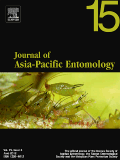
JOURNAL OF ASIA-PACIFIC ENTOMOLOGY
metrics 2024
Navigating the Diverse Landscape of Insect Science
Introduction
JOURNAL OF ASIA-PACIFIC ENTOMOLOGY, published by the Korean Society of Applied Entomology, is a distinguished platform that fosters the advancement of knowledge in the field of entomology, specifically tailored to the Asia-Pacific region. Since its inception in 1998, this journal has been instrumental in providing critical insights into the diverse aspects of insect science, reflecting its commitment to supporting both research and application in a variety of contexts, including agriculture and environmental sustainability. The journal is categorized in the Q3 quartile for Insect Science according to the 2023 rankings, and it holds a respectable Scopus rank of #62 out of 181 in its niche, situating it within the top 66th percentile of its field. With a focus on peer-reviewed research that emphasizes innovation and practical applications, the journal serves as an essential resource for researchers, professionals, and students seeking to deepen their understanding of entomological studies and their implications across ecological and agricultural landscapes.
Metrics 2024
 0.381.101.3046
Metrics History
Rank 2024
Scopus
IF (Web Of Science)
JCI (Web Of Science)
Quartile History
Similar Journals
JOURNAL OF THE KANSAS ENTOMOLOGICAL SOCIETY
Cultivating Understanding of Entomological DiversityJOURNAL OF THE KANSAS ENTOMOLOGICAL SOCIETY, published by the Kansas Entomological Society, serves as a vital platform dedicated to the field of entomology and insect science. With an ISSN of 0022-8567 and an E-ISSN of 1937-2353, this journal has established itself since its inception in 1994, continuing to contribute valuable research up to 2024. Despite its current Q4 categorization in the 2023 Insect Science rankings, it ranks 106 out of 181 in Scopus, representing a significant opportunity for researchers to disseminate their findings in a supportive and engaged community. Although it is not an open-access journal, its commitment to rigorous peer review and relevance in agricultural and biological sciences makes it an essential resource for professionals, scholars, and students alike. The journal's focus on local and regional entomological issues often addresses broader ecological impacts, showcasing the importance of insects in environmental health and agriculture. We invite you to explore the rich tapestry of findings and discussions within this esteemed publication.

Current Research in Insect Science
Advancing the Frontiers of Insect KnowledgeCurrent Research in Insect Science is a premier journal published by Elsevier, dedicated to advancing knowledge in the field of insect science and its multifaceted applications across ecology, evolution, and behavior. Established in 2021, this journal aims to provide a platform for researchers to disseminate innovative findings that address the ecological significance of insects, their evolutionary processes, and their behavior in diverse environments. With an impressive Q2 ranking in Animal Science and Zoology, Ecology, Evolution, Behavior and Systematics, and Insect Science categories, the journal enjoys a reputable status within the academic community. Its Scopus ranks reflect its impactful contributions to the field, placing it within the top 30% of publications in relevant disciplines. While the journal operates on an open access model, ensuring wide accessibility to research, it remains committed to maintaining rigorous peer-review standards. Researchers, professionals, and students alike will find Current Research in Insect Science an invaluable resource for staying informed on the latest advancements and discussions in insect biology.
INSECT MOLECULAR BIOLOGY
Advancing the Frontiers of Insect GeneticsInsect Molecular Biology, published by Wiley, is a leading journal dedicated to advancing the field of insect biology through molecular perspectives. With a prominent ISSN of 0962-1075 and an E-ISSN of 1365-2583, this journal has gained a significant reputation since its inception in 1992, showcasing a diverse array of research that spans across genetics, molecular biology, and specific aspects of insect science. As of 2023, it has achieved a remarkable categorization, recognized as Q1 in Insect Science and Q3 in Genetics and Molecular Biology, underscoring its pivotal role in fostering academic discourse at the intersection of biology and technology. The journal is indexed in esteemed databases with strong rankings, sitting at the 82nd percentile in Insect Science, which highlights the impactful research it publishes. While it currently does not offer open access, Insect Molecular Biology remains an essential resource for researchers, students, and professionals eager to explore the complexities of insect life at the molecular level. By disseminating innovative findings and methodologies, the journal significantly contributes to both theoretical and applied entomological research, making it a cornerstone for anyone passionate about the intricate world of insects.
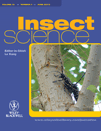
Insect Science
Connecting disciplines through the lens of insect science.Insect Science, published by WILEY, stands as a prestigious journal in the realms of Agronomy, Biochemistry, Genetics, and Insect Ecology. The journal, with ISSN 1672-9609 and E-ISSN 1744-7917, has firmly established itself as a significant resource for researchers and professionals seeking to explore the intricate dynamics of insects and their crucial roles in ecosystems. With a remarkable impact factor placing it in the Q1 quartile across multiple categories, including Ecology and Evolution and Agronomy and Crop Science, Insect Science ranks impressively at #8 out of 181 in the realm of Insect Science on Scopus, showcasing its influence and relevance in the field. Spanning its coverage from 1994 to 2024, this journal invites contributions that advance our understanding of insect biology, behavior, and their interactions within agricultural contexts. The commitment to high-quality research and its role in fostering interdisciplinary dialogue make Insect Science an essential platform for scholars and practitioners at the forefront of insect-related studies.
SOUTHWESTERN ENTOMOLOGIST
Fostering Collaboration in Insect Research and EcologySOUTHWESTERN ENTOMOLOGIST is a pivotal academic journal dedicated to advancing the fields of Agronomy, Ecology, and Insect Science. Published by the SOUTHWESTERN ENTOMOLOGICAL SOC in the United States, this journal plays a crucial role in disseminating vital research findings that address pressing ecological and agricultural challenges. With its ISSN 0147-1724 and E-ISSN 2162-2647, the journal has been publishing comprehensive studies since 1993 and continues to contribute significantly to the knowledge base up to 2024. As a Q4 ranked journal in both Agronomy and Crop Science and Ecology, as well as Insect Science, it provides an inclusive platform for researchers and students to share their insights and foster collaborations. Although it currently does not offer open access options, the content is accessible to academic institutions and professionals, ensuring that significant findings reach a broad audience. Given its niche focus, SOUTHWESTERN ENTOMOLOGIST not only appeals to researchers and students but also to professionals looking to stay updated on the latest trends and developments in entomology and its related fields.
APPLIED ENTOMOLOGY AND ZOOLOGY
Pioneering insights for sustainable agricultural practices.Applied Entomology and Zoology, published by Springer Japan KK, is a pivotal journal in the field of insect science, with an impressive track record since its inception in 1966. This esteemed publication, bearing ISSN 0003-6862 and E-ISSN 1347-605X, contributes significantly to the understanding of applied entomology, emphasizing research that supports sustainable agricultural practices and the ecological conservation of insects. Ranked in the Q2 category (2023) for Insect Science with a Scopus rank of #65 out of 181, it is recognized for its rigorous peer-review process and high-quality contributions that push the boundaries of our knowledge. Although it does not currently offer open access, the journal remains an essential resource for researchers, professionals, and students eager to advance their understanding of the complex interactions between insects and their environment. With a focus on practical applications, it aims to bridge the gap between entomological research and real-world implications, fostering innovation and promoting informed decision-making within the scientific community.

FRAGMENTA ENTOMOLOGICA
Bridging theory and practice in insect research.FRAGMENTA ENTOMOLOGICA is a prominent peer-reviewed academic journal published by UNIV DEGLI STUDI DI ROMA LA SAPIENZA, focusing on various dimensions of entomology and insect science. With an ISSN of 0429-288X and an E-ISSN of 2284-4880, this journal has embraced an Open Access model since 2006, ensuring that valuable research is widely accessible to the global scientific community. Based in Italy, at the DIPARTIMENTO DI BIOLOGIA ANIMALE E DELL'UOMO in Rome, FRAGMENTA ENTOMOLOGICA is recognized for its commitment to high-quality research, ranking in the Q3 category across multiple categories, including Ecology and Insect Science, in 2023. Its Scopus rankings further underscore its relevance, showcasing its role in advancing knowledge in the fields of Ecology, Evolution, and Insect Behavior. This journal serves as an essential resource for researchers, professionals, and students interested in the intricate world of insects and their ecological roles, fostering academic discourse that bridges theoretical and practical entomological studies.

BULLETIN OF INSECTOLOGY
Unveiling the Secrets of Insect LifeBULLETIN OF INSECTOLOGY is a prominent academic journal published by ALMA MATER STUDIORUM, UNIV BOLOGNA, Italy, specializing in the field of Insect Science. The journal, with ISSN 1721-8861 and E-ISSN 2283-0332, has established itself as a vital resource for researchers and professionals interested in the diverse aspects of entomology and its applications. It ranks in the Q2 category for Insect Science as of 2023, placing it among the top journals in its field with a Scopus rank of 79 out of 181. The BULLETIN OF INSECTOLOGY is committed to disseminating high-quality research and innovative studies, facilitating open dialogue and collaboration among scientists. As an essential platform for sharing groundbreaking findings, it contributes significantly to the body of knowledge in agricultural and biological sciences, making it an invaluable asset for scholars and practitioners alike. With coverage from 2002 to 2024, this journal continues to foster advancements in entomological research and its importance in tackling environmental challenges.
Insects
Unleashing Knowledge in Insect Ecology and BehaviorInsects is a prominent open-access journal published by MDPI, dedicated to advancing research in the vibrant field of insect science. Since its inception in 2011, this journal has become a vital resource for academics and professionals alike, also ranked in the prestigious Q1 category within the Insect Science field by Scopus, achieving a remarkable rank of 26 out of 181 journals. With an ongoing convergence period from 2010 to 2024, Insects provides comprehensive coverage of various aspects of entomology, including but not limited to ecology, behavior, physiology, and applied entomology. Based in Switzerland, the journal promotes an open-access model, ensuring that vital research is readily available to researchers, practitioners, and students globally. This journal not only facilitates the dissemination of groundbreaking entomological research but also fosters collaboration and interdisciplinary dialogue in the field.
ARCHIVES OF INSECT BIOCHEMISTRY AND PHYSIOLOGY
Exploring the Intricacies of Insect Life at the Molecular LevelArchives of Insect Biochemistry and Physiology, an esteemed journal published by WILEY, stands at the forefront of advancing the understanding of insect physiology and biochemistry. With an ISSN of 0739-4462 and E-ISSN of 1520-6327, this journal serves as a critical resource for researchers and professionals in the fields of biochemistry, insect science, and physiology. As of 2023, it holds a respectable impact factor with a Q3 ranking in Biochemistry and Physiology, and a Q2 in Insect Science, highlighting its relevant contributions to these disciplines. The journal has maintained a continuous publication history from 1983 to 2024, hosting pioneering research and review articles that inform both academic and practical applications in entomology. While it does not currently offer open access, it is accessible through various institutional subscriptions, ensuring widespread availability of essential findings. This journal plays a vital role in elucidating the complex biochemical pathways and physiological adaptations of insects, fostering knowledge that is crucial for ecological research, agricultural development, and conservation efforts.