
International Cardiovascular Research Journal
Scope & Guideline
Transforming laboratory insights into clinical applications.
Introduction
Aims and Scopes
- Clinical Cardiovascular Research:
The journal emphasizes clinical studies that investigate various aspects of cardiovascular disease, including diagnostics, treatment outcomes, and patient management strategies. - Innovative Diagnostic Techniques:
A strong focus on the development and evaluation of novel diagnostic methodologies, such as advanced imaging techniques and biomarker studies, is prevalent in the journal's publications. - Epidemiological Studies:
The journal frequently publishes research that examines the epidemiology of cardiovascular risk factors, providing insights into population health and disease prevalence. - Interventional Cardiology:
Research related to interventional procedures, including angioplasty and valve replacement, is extensively covered, highlighting advancements in surgical techniques and patient outcomes. - Risk Factor Analysis:
The journal explores various modifiable and non-modifiable risk factors contributing to cardiovascular diseases, offering insights into prevention and management strategies. - Translational Research:
It includes studies that bridge the gap between laboratory research and clinical application, focusing on molecular and genetic aspects of cardiovascular health.
Trending and Emerging
- Telemedicine and Remote Monitoring:
The rise of telecardiology and remote patient monitoring is a significant trend, reflecting the need for innovative care delivery models, particularly post-pandemic. - Impact of COVID-19 on Cardiovascular Health:
A growing body of research is focusing on the cardiovascular implications of COVID-19, including the effects of the virus on existing heart conditions and the overall management of cardiovascular patients during the pandemic. - Artificial Intelligence in Cardiology:
The integration of AI and machine learning in cardiovascular research is becoming prominent, particularly in diagnostic imaging and predictive analytics for patient outcomes. - Women’s Cardiovascular Health:
There is an increasing focus on gender-specific cardiovascular issues, addressing the unique risk factors, presentations, and treatment responses in women. - Genetic and Molecular Research:
Emerging themes in genetic predispositions and molecular pathways related to cardiovascular disease are gaining traction, highlighting the importance of personalized medicine.
Declining or Waning
- Traditional Cardiovascular Pharmacotherapy:
Research centered on conventional pharmacological treatments has seen a decrease, possibly due to the emergence of novel therapies and personalized medicine approaches. - Basic Science Studies:
Although foundational, studies focusing solely on basic science without direct clinical implications are appearing less frequently, suggesting a trend towards more applied research. - Non-Cardiovascular Related Comorbidities:
Investigations into comorbid conditions that are not directly related to cardiovascular health have diminished, as the journal's focus narrows towards cardiovascular-specific research. - Longitudinal Studies:
Research with lengthy follow-up periods has become less common, likely due to the challenges of funding and participant retention over time.
Similar Journals
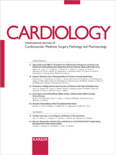
CARDIOLOGY
Pioneering insights in cardiology and cardiovascular medicine.CARDIOLOGY, published by KARGER, is a renowned scholarly journal dedicated to the advancement of research in the fields of cardiology and cardiovascular medicine. Since its inception in 1937, the journal has consistently provided a platform for high-quality, peer-reviewed articles that contribute to the understanding and treatment of heart and vascular diseases. With an impressive convergence through 2024, CARDIOLOGY holds a respectable Q2 ranking in both the Cardiology and Cardiovascular Medicine and Pharmacology (medical) categories, placing it within the 53rd and 45th percentiles of respective Scopus ranks. Based in Switzerland, the journal serves as an essential resource for researchers and practitioners aiming to stay abreast of cutting-edge developments and evidence-based practices in cardiovascular health. While it currently does not offer open access options, its commitment to rigorous scientific standards solidifies its significance within the academic community. We invite readers to explore the latest research findings and contribute to this vital field through publications in CARDIOLOGY.
Korean Circulation Journal
Pioneering Insights in Cardiology and Cardiovascular Medicine.Korean Circulation Journal, published by the Korean Society of Cardiology, has established itself as a prominent platform for disseminating research in the fields of Cardiology and Cardiovascular Medicine. With an ISSN of 1738-5520 and an E-ISSN of 1738-5555, this journal has been at the forefront of cardiovascular science since its inception in 2006 and is projected to continue until 2024. The journal's commitment to quality is reflected in its 2023 category quartiles, ranking in the second quartile (Q2) for both Cardiology and Internal Medicine, as well as its commendable Scopus rankings within the respective fields. Located in South Korea, the journal aims to bridge the gap between cutting-edge research and practical applications, serving as an invaluable resource for researchers, healthcare professionals, and students keen on advancing their understanding of cardiovascular health. Although currently not an open-access journal, it provides a wealth of knowledge that encourages evidence-based practice in clinical settings.
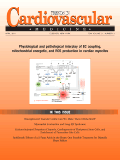
TRENDS IN CARDIOVASCULAR MEDICINE
Transforming Research into Clinical ExcellenceTRENDS IN CARDIOVASCULAR MEDICINE, published by Elsevier Science London, stands at the forefront of the cardiology field, with a commendable Q1 ranking in the category of Cardiology and Cardiovascular Medicine. Since its inception in 1991, this esteemed journal has provided a vital platform for disseminating cutting-edge research and innovative clinical practices, reflecting the dynamic developments in cardiovascular health. With an impact factor positioning it among the top 3% in its category, TRENDS IN CARDIOVASCULAR MEDICINE is essential reading for researchers, healthcare professionals, and students pursuing the latest advancements and evidence-based approaches in cardiology. Although this journal does not currently operate under an open-access model, its rich array of content encompasses a variety of topics from clinical studies to reviews, ensuring readers stay informed on the pivotal trends that shape cardiovascular medicine. This commitment to excellence underscores the journal's role as a premier resource for anyone dedicated to improving cardiovascular health.
SCANDINAVIAN CARDIOVASCULAR JOURNAL
Fostering collaboration for a healthier cardiovascular future.The Scandinavian Cardiovascular Journal, published by Taylor & Francis Ltd, is a distinguished peer-reviewed journal aimed at advancing the field of cardiology and cardiovascular medicine. With an impressive history dating back to 1967 and a forward-looking perspective until 2024, it has consistently contributed valuable research and insights, making it essential reading for anyone involved in cardiovascular healthcare. The journal holds a strong position in the academic community, reflected in its Q2 rating in both Cardiology and Cardiovascular Medicine, and a similar classification in the broader field of Medicine as of 2023. It is indexed in multiple databases, with a Scopus rank of #178 out of 387 in its category, placing it in the 54th percentile. The journal provides open access options, promoting wider dissemination of knowledge while supporting both researchers and practitioners dedicated to improving cardiovascular health. Its focus on high-quality, impactful research makes it an invaluable resource for professionals and students alike, keen to stay at the forefront of cardiology advancements.
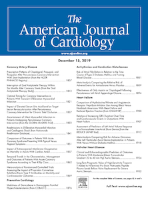
AMERICAN JOURNAL OF CARDIOLOGY
Empowering Healthcare Professionals with Cutting-edge InsightsThe American Journal of Cardiology is a leading peer-reviewed journal in the field of Cardiology and Cardiovascular Medicine, published by Excerpta Medica Inc-Elsevier Science Inc. Since its inception in 1958, the journal has consistently contributed to the advancement of cardiovascular research, providing a platform for groundbreaking studies and clinical findings that shape modern medical practices. With an impressive impact factor placing it in the Q1 category in its field for 2023, it ranks among the top journals in medicine, with a rank of #155 out of 387 in the Scopus database, reflecting its significance and rigorous editorial standards. The journal is committed to disseminating high-quality research that fosters innovation and enhances clinical outcomes in cardiology. Although it does not provide Open Access options, the American Journal of Cardiology remains an essential resource for researchers, healthcare professionals, and students looking to deepen their understanding of cardiovascular health.
AMERICAN HEART JOURNAL
Pioneering Research for a Healthier HeartAMERICAN HEART JOURNAL, published by MOSBY-ELSEVIER, stands at the forefront of cardiovascular research, encompassing a vast array of studies focused on heart health, cardiology, and related medical therapies. Established in 1925 and set to continue its legacy into 2024, this esteemed journal holds a prestigious Q1 ranking in the category of Cardiology and Cardiovascular Medicine, reflecting its commitment to quality and significant influence in the field, as evidenced by its 85th percentile ranking in Scopus. With a dedicated readership of researchers, clinicians, and students, the journal serves as a critical platform for sharing groundbreaking findings, innovative techniques, and comprehensive reviews that strive to advance cardiovascular science. Although it does not currently offer open access, the AMERICAN HEART JOURNAL remains an indispensable resource for anyone invested in the evolution and improvement of heart health.
Journal of Cardiology
Elevating understanding of cardiovascular diseases globally.Journal of Cardiology, published by ELSEVIER, stands as a prominent resource in the field of cardiology and cardiovascular medicine. With a rich history since its inception in 1987, this peer-reviewed journal aims to disseminate cutting-edge research that enhances the understanding and treatment of cardiovascular diseases. Its 2023 ranking places it in the Q2 category within its discipline, reflecting its significance and impact, as evidenced by a Scopus rank of #123 out of 387 journals, positioning it in the 68th percentile of its field. The journal is headquartered in Japan, providing a unique perspective on cardiological advances relevant not only to the Asian continent but also globally. Though it does not currently offer open access, the Journal of Cardiology remains a vital institutional resource for researchers, clinicians, and students seeking to push the boundaries of cardiovascular science and improve patient outcomes.
Cardiology and Therapy
Exploring breakthroughs in heart health and therapy.Cardiology and Therapy, published by SPRINGER LONDON LTD, is a leading open-access journal dedicated to advancing the field of cardiology and cardiovascular medicine. With an ISSN of 2193-8261 and an E-ISSN of 2193-6544, this esteemed journal has been at the forefront of disseminating high-quality research since its inception in 2012. It has achieved an impressive Q1 ranking in the 2023 Cardiology and Cardiovascular Medicine category, reflecting its commitment to excellence and relevance in the field. Spanning a wide array of topics—from clinical studies to cutting-edge therapeutic interventions—the journal aims to foster knowledge exchange among researchers, clinicians, and healthcare professionals. In addition, its position in the 72nd percentile of Scopus rankings underscores its global impact and contribution to the cardiovascular research community. With open access options, Cardiology and Therapy ensures that its content is widely accessible, promoting the sharing of vital findings that can influence clinical practice and improve patient outcomes.

ARCHIVOS DE CARDIOLOGIA DE MEXICO
Bridging gaps in cardiovascular health with accessible knowledge.ARCHIVOS DE CARDIOLOGIA DE MEXICO is a premier open-access journal dedicated to advancing research and clinical practice in the field of cardiology and cardiovascular medicine. Published by the Instituto Nacional de Cardiología Ignacio Chávez since 2001, this journal offers a valuable platform for the dissemination of high-quality, peer-reviewed articles that span diverse aspects of cardiovascular health. With its current categorization in the fourth quartile (Q4) of cardiology journals and a Scopus rank of #319 out of 387, ARCHIVOS DE CARDIOLOGIA DE MEXICO is positioned within the dynamic landscape of cardiovascular research, presenting opportunities for both emerging and established voices in the field. It aims to promote discussion and innovation across various topics in cardiology, making it a crucial resource for researchers, healthcare professionals, and students keen on keeping abreast of developments in cardiovascular science. Accessible online since 2009, this journal fosters collaboration and knowledge sharing among specialists worldwide, establishing itself as a significant contributor to the global discourse on heart health.

TEXAS HEART INSTITUTE JOURNAL
Empowering Healthcare Professionals with Essential Heart Insights.TEXAS HEART INSTITUTE JOURNAL, published by the renowned Texas Heart Institute, stands as a pivotal resource in the field of cardiology and cardiovascular medicine. With a history spanning over four decades since its establishment in 1982, this journal addresses a wide range of topics within its scope, including clinical studies, innovative treatments, and groundbreaking research in heart health. Despite its Q3 ranking in both Cardiology and Cardiovascular Medicine, the journal is committed to fostering advancement in medical knowledge and practice, providing an essential platform for healthcare professionals and researchers alike. While currently lacking open access, the journal is recognized for its contributions to the field, aiming to illuminate critical healthcare discussions and promote the exchange of ideas. For those interested in staying at the forefront of cardiovascular research, TEXAS HEART INSTITUTE JOURNAL offers invaluable insights and the latest developments shaping the future of heart care.