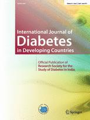
International Journal of Diabetes in Developing Countries
Scope & Guideline
Fostering collaboration to tackle diabetes disparities.
Introduction
Aims and Scopes
- Diabetes Epidemiology and Prevalence:
Research focusing on the prevalence, risk factors, and demographic characteristics of diabetes in various populations, particularly in developing countries. - Innovative Treatment Approaches:
Studies exploring new treatment modalities, including pharmacological interventions, lifestyle modifications, and technological advancements in diabetes management. - Diabetes Complications and Comorbidities:
Investigations into the complications of diabetes such as retinopathy, neuropathy, nephropathy, and their associated comorbid conditions, with a focus on clinical profiles and outcomes. - Patient Education and Self-Management:
Research aimed at improving diabetes self-care practices among patients, including educational interventions and their impact on health outcomes. - Cultural and Socioeconomic Factors:
Exploration of how cultural beliefs, socioeconomic status, and healthcare access influence diabetes management and outcomes in different communities. - Public Health Initiatives:
Evaluating public health strategies aimed at diabetes prevention and control, including screening programs and community-based interventions.
Trending and Emerging
- Digital Health and Telemedicine:
An increasing number of studies are exploring the use of digital health technologies and telemedicine for diabetes management, particularly in the context of the COVID-19 pandemic. - Artificial Intelligence and Machine Learning:
Research utilizing AI and machine learning to improve diabetes care, including predictive modeling and automated systems for monitoring and treatment. - Integrated Care Models:
Emerging themes around integrated care approaches that combine diabetes management with other health services, focusing on holistic patient care. - Personalized Medicine and Genomics:
An upward trend in research on personalized medicine, including genetic factors influencing diabetes and tailored treatment strategies. - Mental Health and Diabetes:
A growing recognition of the psychological aspects of diabetes management, with increasing research on diabetes-related distress and mental health interventions.
Declining or Waning
- Traditional Dietary Interventions:
Research on basic dietary interventions for diabetes management has seen a decline, as more advanced nutritional approaches and personalized medicine gain traction. - Basic Pharmacological Studies:
There is a noticeable decrease in studies solely focusing on the pharmacodynamics of traditional diabetes medications, as newer classes of drugs and combination therapies are becoming more prominent. - Generalized Diabetes Management Guidelines:
The emphasis on generic diabetes management guidelines is waning, with a growing focus on individualized and context-specific approaches to care.
Similar Journals
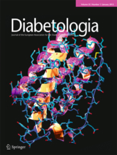
DIABETOLOGIA
Elevating knowledge in diabetes management and treatment.DIABETOLOGIA is a leading journal in the field of endocrinology and diabetes research, published by Springer since its inception in 1965. With an impactful presence in both Internal Medicine and Endocrinology, Diabetes and Metabolism, it is recognized in the Q1 quartile rankings for 2023, underscoring its significance and contribution to these disciplines. The journal holds impressive Scopus rankings, placing it in the top 5% of journals in its categories, making it an essential resource for researchers, healthcare professionals, and students dedicated to advancing knowledge and practices in diabetes care and management. DIABETOLOGIA publishes a range of peer-reviewed articles, original research, and reviews that address the latest scientific developments, clinical practices, and therapeutic innovations, contributing to the global discourse on diabetes and its related health implications. Although it does not offer Open Access options, its rigorous selection process guarantees the quality and relevance of the content, solidifying its position as a reliable reference for contemporary research. For those looking to stay at the forefront of diabetes science, DIABETOLOGIA is a vital communique in the ever-evolving landscape of medical research.

British Journal of Diabetes
Exploring the complexities of diabetes management.The British Journal of Diabetes, published by the Association of British Clinical Diabetologists, is a premier journal dedicated to advancing the understanding, prevention, and management of diabetes. With an ISSN of 2397-6233, this journal aims to disseminate high-quality research findings, clinical studies, and reviews that address the complexities of diabetes care and research. While currently not available as an open access option, the journal is committed to enhancing the visibility of cutting-edge diabetes research for healthcare professionals and academics. Located in the heart of England, this journal plays a crucial role in bridging the gap between clinical practice and research innovation, making it an essential resource for practitioners, researchers, and students alike. The British Journal of Diabetes is determined to contribute significantly to the global dialogue on diabetes, as it covers a wide spectrum of topics from epidemiology and public health to novel therapeutic strategies and patient management approaches.
JOURNAL OF DIABETES AND ITS COMPLICATIONS
Transforming knowledge into action against diabetes complications.JOURNAL OF DIABETES AND ITS COMPLICATIONS is a distinguished peer-reviewed journal published by Elsevier Science Inc, dedicated to advancing the knowledge and management of diabetes and its multifaceted complications. With an ISSN of 1056-8727 and E-ISSN 1873-460X, this journal has established its significance in the fields of Endocrinology, Diabetes and Metabolism, and Internal Medicine, as reflected in its Q2 and Q1 quartile rankings for 2023, and its commendable Scopus rankings. The journal, which has been converging knowledge since 1992 and continues to publish vital research until 2024, serves as a platform for researchers, professionals, and students aiming to delve deeper into the mechanisms, treatment, and implications of diabetes and its related disorders. While access is not open, the journal remains a critical resource for those invested in understanding and combating the challenges posed by diabetes, ultimately contributing to better health outcomes.
DIABETES RESEARCH AND CLINICAL PRACTICE
Empowering healthcare professionals with cutting-edge diabetes research.DIABETES RESEARCH AND CLINICAL PRACTICE, published by Elsevier Ireland Ltd, is a leading peer-reviewed journal in the realms of endocrinology, diabetes, and internal medicine. With a prestigious Q1 classification across several categories, including Endocrinology, Diabetes and Metabolism, and Internal Medicine, this journal is recognized for its impactful contributions to advancing knowledge and clinical practice in diabetes care, boasting an impressive impact factor that underscores its significance in the academic community. Spanning from 1985 to 2024, this journal not only disseminates high-quality research but also serves as a critical resource for healthcare professionals, researchers, and students alike who are focused on addressing the global diabetes epidemic. With its comprehensive scope and commitment to fostering innovative findings, DIABETES RESEARCH AND CLINICAL PRACTICE remains at the forefront of its field, fostering collaboration and discovery to improve patient outcomes.
Primary Care Diabetes
Advancing diabetes care through innovative research.Primary Care Diabetes is a leading journal published by ELSEVIER SCI LTD, focusing on the intersection of diabetes care, endocrinology, and family medicine. Since its inception in 2007, the journal has made significant contributions to the field, achieving notable rankings in various categories, such as Q2 in Endocrinology, Diabetes and Metabolism, Q1 in Family Practice, and Q2 in Internal Medicine, as well as Nutrition and Dietetics for 2023. With an ISSN of 1751-9918 and an E-ISSN of 1878-0210, it serves as an essential resource for researchers, healthcare professionals, and students dedicated to advancing knowledge and practice in primary diabetes care. The journal's strong Scopus rankings reflect its commitment to publish high-quality research, fostering clinical practice improvements and enhanced patient outcomes. Although not open access, its articles are pivotal for anyone looking to stay ahead in the dynamic and vital domain of diabetes management.

Journal of Diabetes and Metabolic Disorders
Pioneering Discoveries in Endocrinology and MetabolismThe Journal of Diabetes and Metabolic Disorders, published by SPRINGER INT PUBL AG, is a premier academic journal dedicated to advancing research in the fields of endocrinology, diabetes, and metabolism. With an E-ISSN of 2251-6581, this journal plays a crucial role in disseminating high-quality research findings from 2012 to 2024, serving as a valuable resource for researchers, practitioners, and students alike. Notably, it has achieved impressive rankings, being placed in the Q2 quartile for Internal Medicine and Q3 for Endocrinology, Diabetes, and Metabolism in 2023, reflecting its influence within the scientific community. The Journal’s commitment to open access ensures that its comprehensive articles, encompassing topics from metabolic disorders to novel therapeutic approaches, are readily available to a global audience. Position yourself at the forefront of medical advancements—contribute to and benefit from the pivotal research presented in this journal.

Diabetes Mellitus
Transforming challenges into solutions in endocrinology.Diabetes Mellitus, published by the Endocrinology Research Centre in the Russian Federation, is an esteemed open-access journal dedicated to the field of endocrinology, diabetes, and metabolism. Since its inception in 1998, this journal has been a pivotal platform for disseminating cutting-edge research and comprehensive reviews that address the multifaceted challenges posed by diabetes. With its current quartile ranking of Q4 in Endocrinology and the associated fields, as well as commendable involvement in the broader scope of Internal Medicine, Diabetes Mellitus plays a crucial role in enhancing clinical practices and informing innovative therapeutic strategies. The journal caters to a diverse audience of researchers, healthcare professionals, and students, particularly those seeking to expand their knowledge and improve patient outcomes in diabetes care. With a commitment to fostering scientific conversation and collaboration, Diabetes Mellitus is an invaluable resource for anyone engaged in the fight against diabetes and its complications.
Diabetologie und Stoffwechsel
Exploring New Frontiers in Diabetes ResearchDiabetologie und Stoffwechsel is a prominent academic journal specializing in the fields of endocrinology, diabetes, and metabolism, published by GEORG THIEME VERLAG KG. Since its inception in 2006, this German journal has strived to disseminate cutting-edge research and innovative findings that advance the understanding of metabolic disorders and the management of diabetes. With an ISSN of 1861-9002 and an E-ISSN of 1861-9010, it caters to a diverse audience ranging from researchers to healthcare professionals and students in the medical field. While it currently holds a Q4 ranking in the 2023 Scopus quartiles for its area, the journal serves as a critical platform for emerging insights and discussions impacting diabetes care and research, fostering collaboration and knowledge-sharing in a rapidly evolving landscape. The convergence of its coverage until 2024 signifies a commitment to ongoing exploration into the complexities of metabolic health, making it a valuable resource for anyone passionate about these vital areas of health.
CURRENT DIABETES REVIEWS
Bridging Research and Practice in EndocrinologyCURRENT DIABETES REVIEWS is a leading academic journal published by Bentham Science Publishers Ltd, dedicated to disseminating high-quality reviews and cutting-edge insights in the field of Endocrinology, Diabetes and Metabolism. Established in 1996 and actively publishing from 2005 to 2024, this journal holds a prestigious position within the academic community, evidenced by its Q2 ranking in both relevant categories for 2023 and its impactful presence in Scopus, where it ranks #83 out of 244 in Endocrinology and Diabetes and Metabolism. Despite being a subscription-based journal, it provides researchers, healthcare professionals, and students with valuable contributions that significantly advance the understanding of diabetes and related metabolic disorders. With a commitment to promoting interdisciplinary collaboration and innovation, CURRENT DIABETES REVIEWS serves as an essential resource for those seeking to stay abreast of the latest developments in diabetes research and therapies.

International Journal of Noncommunicable Diseases
Connecting experts to enhance understanding of NCDs.The International Journal of Noncommunicable Diseases, published by Wolters Kluwer Medknow Publications, is a leading open-access journal dedicated to advancing research in the field of noncommunicable diseases (NCDs). Since its inception in 2016, the journal has provided a robust platform for the dissemination of high-quality studies, reviews, and case reports that address the growing burden of NCDs globally. With a commitment to enhancing knowledge and understanding, the journal aims to navigate the complexities of prevention, diagnosis, management, and policy implications related to diseases such as diabetes, cardiovascular conditions, and cancers. The journal features an inclusive editorial board made up of renowned experts in the field, ensuring rigorous peer review and maintaining a high standard of scholarly excellence. As an open-access journal, it promotes widespread availability of its content, fostering collaboration and innovation among researchers, healthcare professionals, and students alike. Engage with the latest research and contribute to the growing body of knowledge in this critical area of public health by exploring the International Journal of Noncommunicable Diseases.