Intractable & Rare Diseases Research
Scope & Guideline
Exploring the Frontiers of Intractable Illnesses.
Introduction
Aims and Scopes
- Epidemiology of Rare Diseases:
The journal emphasizes the importance of understanding the prevalence and distribution of rare diseases, including comprehensive epidemiological studies that highlight the burden these conditions place on healthcare systems. - Genetic and Molecular Research:
Research on the genetic underpinnings of rare diseases is a core focus, including studies on genetic mutations, biomarkers, and the development of genetic diagnostics that facilitate better patient management. - Clinical Management and Treatment Approaches:
Papers often explore novel treatment strategies and management protocols for rare diseases, including case studies, clinical trials, and reviews that contribute to improved patient outcomes. - Patient-Centered Research:
The journal prioritizes research that includes patient perspectives, quality of life assessments, and psychosocial impacts of living with rare diseases, fostering a holistic understanding of these conditions. - Innovative Technologies in Rare Disease Research:
There is a consistent interest in the application of advanced technologies, such as artificial intelligence and metabolomics, to improve diagnostics, treatment efficacy, and understanding of disease mechanisms.
Trending and Emerging
- Integration of Artificial Intelligence in Rare Disease Research:
A significant trend is the increasing incorporation of artificial intelligence technologies in diagnosing and managing rare diseases, showcasing innovative methodologies that enhance precision medicine. - Focus on Quality of Life and Patient Experiences:
There is a growing emphasis on understanding the quality of life and psychological impacts of rare diseases, indicating a shift towards more holistic patient-centered research. - Innovations in Genetic Diagnostics:
Emerging themes include advances in genetic diagnostics, such as whole-exome sequencing and next-generation sequencing technologies, which are revolutionizing the understanding and management of genetic disorders. - Interdisciplinary Collaborations:
Research that involves interdisciplinary approaches, combining insights from genetics, epidemiology, and clinical practice, is increasingly prominent, reflecting the complex nature of rare diseases. - Emerging Treatments and Therapeutics:
There is a rising interest in novel therapeutic approaches, including gene therapies and personalized medicine strategies, that promise to address unmet needs in rare disease treatment.
Declining or Waning
- General Reviews of Rare Diseases:
There has been a noticeable decrease in broader reviews of rare diseases as more targeted, specific studies emerge. The focus is shifting towards in-depth analyses rather than general overviews. - Historical Perspectives:
Papers that provide historical context or retrospective analyses of rare diseases are appearing less frequently, suggesting a trend towards more forward-looking research that emphasizes current issues and future directions. - Basic Science without Clinical Relevance:
Research that delves into basic science aspects of rare diseases without a clear clinical application or relevance is becoming less common, as the journal increasingly favors studies that bridge the gap between laboratory findings and clinical practice. - Epidemiological Studies in Developed Regions:
There appears to be a waning interest in epidemiological studies focused solely on developed countries, likely as the journal aims to highlight the global burden of rare diseases, particularly in under-researched regions.
Similar Journals
YONAGO ACTA MEDICA
Connecting Researchers for a Healthier TomorrowYONAGO ACTA MEDICA, published by Tottori University Medical Press, is a prominent journal in the field of Medicine, recognized for its contributions and academic rigor since its inception in 1965. With an ISSN of 0513-5710 and E-ISSN of 1346-8049, this journal is situated in Japan and spans significant periods of convergence from 1965 to 1977 and from 1986 to 2024. Classified within the Q3 category of Medicine (Miscellaneous) and holding a respectable Scopus rank of 275 out of 636 in General Medicine, YONAGO ACTA MEDICA offers an invaluable platform for researchers, professionals, and students to disseminate innovative studies and findings in diverse medical topics. While the journal currently does not operate under an open-access model, it remains committed to promoting academic excellence and advancing medical knowledge through peer-reviewed publications. Address inquiries and contributions to 86 NISHI-CHO, YONAGO, TOTTORI-KEN 683-8503, JAPAN.

Cold Spring Harbor Molecular Case Studies
Advancing molecular insights for clinical breakthroughs.Cold Spring Harbor Molecular Case Studies is a prestigious journal published by COLD SPRING HARBOR LAB PRESS, PUBLICATIONS DEPT, that has garnered considerable attention in the fields of Biochemistry, Genetics, and Molecular Medicine. With a focus on the intersection of molecular biology and clinical case studies, this journal serves as a key resource for researchers and practitioners seeking to explore novel insights into genetic disorders and biomedical advances. Its impact is underscored by its categorization in Q2 in various disciplines in 2023, reflecting its significance and influence within the academic community. Although currently not labeled as Open Access, Cold Spring Harbor Molecular Case Studies provides a rigorous platform for disseminating high-quality, peer-reviewed research that drives innovation and enhances understanding in these rapidly evolving fields. As a supporter of advancing scientific knowledge, this journal is essential for those dedicated to the exploration of molecular mechanisms and their clinical implications.
Journal of Egyptian Womens Dermatological Society
Advancing Dermatological Insights for Women's Unique NeedsThe Journal of Egyptian Women's Dermatological Society, published by Wolters Kluwer Medknow Publications, is an essential platform dedicated to advancing the field of dermatology through a valuable focus on women's health issues. Established to provide an open access outlet since 2019, this journal aims to disseminate research, case studies, and reviews that address the unique dermatological needs and concerns of women, particularly in the Egyptian context. Despite its current ranking in the Q4 category in dermatology and a Scopus rank of #117 out of 142 with a 17th percentile, the journal serves a critical role in fostering scholarly communication among researchers, clinicians, and academicians. With a commitment to promoting knowledge advancement and community engagement, this journal invites submissions that align with its objectives, specifically geared towards empirical research and innovative practices in dermatology impacting women's health.
Case Reports in Immunology
Fostering Collaboration in Immunology with Every ReportCase Reports in Immunology, published by HINDAWI LTD, is an esteemed open-access journal that has been contributing to the field of immunology since its launch in 2011. With both ISSN 2090-6609 and E-ISSN 2090-6617, the journal provides a platform for researchers to publish detailed case reports that explore diverse immunological conditions and novel treatment approaches. This journal is crucial for clinicians, researchers, and students alike, seeking to broaden their understanding of immunology's practical applications and advances. As of 2023, it holds a Q3 ranking in Immunology and Q2 in Immunology and Allergy, reflecting its growing relevance and contribution to the field. Additionally, it is indexed in Scopus, where it ranks #178 in Immunology and Allergy and #192 in Immunology and Microbiology, enhancing its visibility and impact. With a comprehensive accessibility model, the journal is dedicated to disseminating knowledge widely and enriching discussions in immunological research.

Nature Reviews Disease Primers
Summarizing Science, Shaping PracticeNature Reviews Disease Primers, published by NATURE PORTFOLIO, stands as a leading journal in the field of Medicine, specifically recognized for its comprehensive coverage of various diseases and health-related topics. With an impressive impact factor that reflects its high citation rate, this journal is categorized within the Q1 quartile in Medicine (miscellaneous) and holds a prestigious Scopus rank of #4 out of 636, placing it in the 99th percentile of general medicine publications. Launched in 2015 and projected to continue its influence until 2024, the journal aims to bridge the gap between clinical research and practical application, providing easy-to-digest primers that summarize current understanding and emerging trends in various diseases. While not classified as open access, its rigorously peer-reviewed content remains crucial for academic researchers, healthcare professionals, and students alike, striving to stay at the forefront of medical knowledge. The journal's base in the United Kingdom enhances its global reach, contributing to the ongoing dialogue in the medical community.
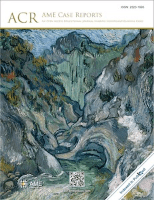
AME Case Reports
Transforming Patient Care with Shared InsightsAME Case Reports, published by AME PUBLISHING COMPANY, is a peer-reviewed open-access journal dedicated to the dissemination of high-quality clinical case reports across various medical disciplines. With an expanding focus on innovative medical practices and clinical experiences, this journal serves as an essential platform for healthcare professionals, researchers, and medical students to share significant findings and insights that contribute to evidence-based practices. Although specific metrics such as impact factors and H-index are not currently available, the journal's commitment to academic rigor and accessibility fosters an environment for scholarly exchange and professional development. The publication facilitates immediate access to important case studies that may inform clinical decisions and improve patient care. In an era where sharing specialized knowledge is paramount, AME Case Reports stands as a vital resource for those involved in the medical community worldwide.

International Journal of Clinical and Experimental Pathology
Advancing Knowledge in Pathology and BeyondInternational Journal of Clinical and Experimental Pathology, published by E-CENTURY PUBLISHING CORP, serves as a vital resource for professionals in the field of pathology. With its ISSN 1936-2625, the journal has positioned itself within the competitive landscape of medical journals, achieving commendable rankings in Scopus, particularly in the categories of Pathology and Forensic Medicine (Rank #98/185) and Histology (Rank #38/58). Although its coverage in Scopus has been discontinued, the journal’s past contributions from 2009 to 2017 continue to be a touchstone for researchers interested in advancing their understanding of clinical and experimental pathology. The open-access format ensures accessibility to a wide audience, fostering collaboration and education in this essential medical discipline. By bridging clinical research and experimental findings, this journal plays a crucial role in disseminating knowledge and enhancing practices within pathology, making it an indispensable tool for researchers, professionals, and students alike.

Case Reports in Medicine
Transforming patient care with shared experiences.Case Reports in Medicine is a distinguished journal published by HINDAWI LTD, focusing on the vital field of medical case studies and reports. Since its inception in 2009, this Open Access journal has offered a platform for sharing novel insights, challenges, and outcomes encountered in clinical practice. Located in the United States, it serves a global audience of researchers and healthcare professionals, emphasizing the importance of case reports in advancing medical knowledge and promoting evidence-based practice. With an impressive ranking of Q3 in Medicine (miscellaneous) and a solid performance at #265/636 in General Medicine (58th percentile) as per Scopus, the journal is recognized for its impactful contributions to the medical community. Through its commitment to disseminating quality research, Case Reports in Medicine plays a crucial role in fostering collaboration and enhancing patient care worldwide, making it an essential resource for students, researchers, and practitioners alike.
Case Reports in Dermatology
Elevating clinical practice with open access case studies.Case Reports in Dermatology is a leading Open Access academic journal dedicated to the publication of case reports and unique clinical findings in the field of dermatology. Published by KARGER and based in Switzerland, the journal has been an open access resource since 2009, enhancing the visibility and accessibility of vital research for dermatology professionals and the scientific community. With an impressive ISSN of 1662-6567 and ranking in the Q3 category among dermatological journals, it serves as a crucial platform for researchers seeking to share innovative case studies, validate diagnostic approaches, and explore treatment outcomes. The journal continues to contribute to advancing dermatological science with a convergence timeline extending from 2010 to 2024. By promoting the dissemination of emerging knowledge and practices, Case Reports in Dermatology plays a significant role in fostering collaboration among practitioners, enhancing educational efforts, and ultimately improving patient care in dermatology.
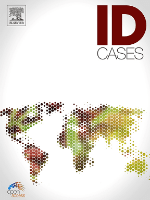
IDCases
Exploring the frontiers of infectious disease research.Welcome to IDCases, a peer-reviewed open access journal published by Elsevier Science Ltd that has been at the forefront of infectious disease research since 2014. With a ISSN of 2214-2509, IDCases is dedicated to the publication of high-quality case reports and novel findings in the field of infectious diseases, aiming to enhance clinical practice and guide therapeutic decision-making. Positioned in the Q3 Quartile of the infectious diseases category, and ranked #213 out of 344 in Scopus’s Medicine _ Infectious Diseases category, the journal establishes essential connections between academia and the healthcare community. As an open access journal, IDCases ensures that critical research is disseminated widely, fostering collaboration and innovation in managing infectious diseases. By encouraging submissions that explore both common and rare infections, global outbreaks, and novel therapeutic approaches, IDCases serves as a critical resource for researchers, healthcare professionals, and students alike. Join us in advancing the discourse and understanding of infectious diseases!