
ISJ-Invertebrate Survival Journal
metrics 2024
Empowering Research on Invertebrate Resilience
Introduction
ISJ-Invertebrate Survival Journal is a prestigious publication dedicated to advancing our understanding of invertebrate biology, ecology, and conservation. Published by the Invertebrate Survival Journal, this journal has been an open access platform since 2004, ensuring that critical research is accessible to a global audience. With an ISSN of 1824-307X, it engages scholars and researchers by disseminating significant findings in the realm of animal science and zoology, where it enjoys a respectable Q3 ranking in its 2023 category quartiles. Situated in Italy, specifically at the University of Modena & Reggio Emilia, the journal fosters a collaborative environment for scientists seeking to explore the complexities of invertebrate life. As of 2023, it holds a Scopus rank of #235/490 in the agricultural and biological sciences sector, firmly positioning itself in the 52nd percentile among its peers. ISJ serves as an invaluable resource for researchers, professionals, and students aiming to contribute to the conservation and understanding of invertebrate species globally.
Metrics 2024
 0.331.200.9035
Metrics History
Rank 2024
Scopus
IF (Web Of Science)
JCI (Web Of Science)
Quartile History
Similar Journals
CURRENT OPINION IN MICROBIOLOGY
Unveiling groundbreaking findings in microbiological sciences.CURRENT OPINION IN MICROBIOLOGY is a prestigious academic journal published by CURRENT BIOLOGY LTD, dedicated to advancing the field of microbiology through timely and insightful reviews. With an ISSN of 1369-5274 and an e-ISSN of 1879-0364, this journal has established itself as a leading source of knowledge in various subfields, consistently achieving a Q1 ranking in Infectious Diseases and Microbiology for 2023. Operating from the United Kingdom, CURRENT OPINION IN MICROBIOLOGY serves a critical role for researchers, clinicians, and students alike by disseminating groundbreaking findings and fostering discussions that shape the future of microbiological research. The journal's rigorous selection process ensures that only high-quality articles are published, reflecting its strong impact factor and high percentile rankings across relevant Scopus categories. Although it does not follow an open-access model, its comprehensive scope and valuable contributions to the medical and scientific community underscore its importance as an essential resource for advancing our understanding of microbial sciences.
BULLETIN OF ENTOMOLOGICAL RESEARCH
Transforming Understanding of Insects Through Rigorous ResearchBULLETIN OF ENTOMOLOGICAL RESEARCH, published by Cambridge University Press, is a prestigious journal that has been at the forefront of entomological research since its inception in 1910. With an impressive track record extending through to 2024, this journal serves as a vital platform for advancing knowledge in various related fields, notably Agronomy and Crop Science and Insect Science, where it ranks in the top quartile (Q2) and maintains a commendable position within the Scopus rankings in its categories. Notably, its contributions also intersect with Medicine in a broader scope, fostering interdisciplinary insights. While access to the journal content is not classified as 'Open Access,' its rigorous peer-reviewed articles are crucial for researchers, professionals, and students seeking to enhance their understanding of entomology and its applications in agronomy and beyond. The journal's impact is reflected in its notable percentile rankings, emphasizing its relevance and influence in the academic community. Located at the heart of the UK, the BULLETIN OF ENTOMOLOGICAL RESEARCH continues to be an essential resource for those dedicated to the study and understanding of insects and their impacts on agriculture and health.
AFRICAN INVERTEBRATES
Connecting Researchers to Africa's Ecological RichesAFRICAN INVERTEBRATES is a distinguished open-access academic journal published by the COUNCIL NATAL MUSEUM, specializing in the study of invertebrate biology within the vibrant ecosystems of Africa. Operating since 2006, this journal has established itself as a vital resource in the fields of Animal Science, Ecology, Evolution, Behavior, Insect Science, and Paleontology, earning a strong Q2 ranking in these categories as of 2023. With its ISSN 1681-5556 and E-ISSN 2305-2562, the journal provides unrestricted access to cutting-edge research, fostering collaboration among global researchers and professionals. AFRICAN INVERTEBRATES serves not only as a platform for high-quality scholarly articles but also aims to enhance the understanding of Africa's unique invertebrate fauna and the ecological challenges they face. With a commitment to innovation and excellence, the journal is pivotal for those looking to contribute to the discourse surrounding African biodiversity and conservation strategies.
Journal of Ichthyology
Pioneering Studies in Aquatic Biodiversity and ConservationJournal of Ichthyology, published by PLEIADES PUBLISHING INC, is a respected periodical in the field of aquatic sciences and biological studies, focusing extensively on the study of fish and their ecosystems. With an ISSN of 0032-9452 and E-ISSN of 1555-6425, this journal serves as an essential platform for researchers seeking to publish innovative findings related to ichthyology and broader aquatic biological sciences. Although currently not an open-access journal, its high relevance is reflected in its impact factor and varied audience, addressing pressing issues in biodiversity, conservation efforts, and fish biology. The journal's classification indicates a Q3 ranking in Agricultural and Biological Sciences and a Q4 ranking in Aquatic Science for 2023, affirming its contributions to the field despite its percentile standings in Scopus ranking. The journal has a publication history that spans critical converged years from 1976 to 2024, making it a vital resource for ongoing research developments and scholarly discourse. For academics, professionals, and students alike, the Journal of Ichthyology remains a key resource for advancing knowledge and enhancing the understanding of fish biology and their ecological impacts.
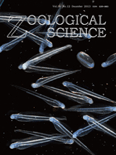
ZOOLOGICAL SCIENCE
Unveiling Nature's Secrets Through ResearchZoological Science, published by the Zoological Society of Japan, is a leading journal dedicated to the fields of animal science and zoology. With its ISSN 0289-0003, this respected publication has established itself as a prominent source of scientific research, attaining a commendable Q2 ranking in the 2023 category of Animal Science and Zoology. Spanning over three decades, from 1992 to 2024, the journal offers a valuable platform for scholarly articles that explore various aspects of zoology, including ecology, behavior, and evolutionary biology. Although it operates under a traditional subscription model, its contributions are supported by a robust community of researchers and professionals who value its insights. The journal strives to foster academic discourse and insights that drive understanding and conservation of wildlife, making it an essential resource for students and established experts alike. The publishing headquarters located in Tokyo, Japan, further enhances its international reach and influence in zoological studies.

Fishes is a premier academic journal dedicated to the exploration and dissemination of cutting-edge research in the fields of aquatic science and ecology. Published by MDPI in Switzerland, this open-access journal has been accessible to researchers globally since its inception in 2016, allowing for the rapid exchange of knowledge that fosters scientific advancement in the study of fish and aquatic ecosystems. With its convergence in the years 2016 to 2024, Fishes proudly holds a notable position in the academic community, evidenced by its category quartile rankings of Q3 in Aquatic Science and Q2 in Ecology for 2023. The journal consistently features innovative research encompassing ecological interactions, conservation strategies, and evolutionary studies within aquatic environments. By integrating interdisciplinary approaches and encouraging contributions from a diverse array of experts, Fishes serves as an invaluable resource for researchers, professionals, and students alike, contributing to the understanding and preservation of our precious aquatic biodiversity.

Annual Review of Ecology Evolution and Systematics
Championing Rigorous Scholarship in Ecology and EvolutionThe Annual Review of Ecology, Evolution, and Systematics, published by Annual Reviews, is a leading academic journal dedicated to advancing the understanding of ecological and evolutionary processes. With a commendable impact factor and impressive rankings—9th in both the Ecology, Evolution, Behavior and Systematics category and the Environmental Science category—this journal is recognized for its rigorous peer-reviewed articles that synthesize research findings across a wide range of topics within the fields of ecology and evolutionary biology. Established in 2003, this annual publication aims to provide researchers, professionals, and students with comprehensive insights into the latest developments and trends within these dynamic disciplines. By facilitating access to high-quality scholarly articles, the Annual Review of Ecology, Evolution, and Systematics continues to play a crucial role in fostering scientific discourse and discovery.
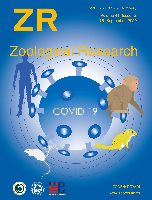
ZOOLOGICAL RESEARCH
Exploring the Depths of Biodiversity and EcologyZoological Research, published by Science Press, stands as a premier open-access journal in the fields of animal science, zoology, and ecology. Since its inception in 1980, it has fostered an inclusive platform for innovative research and dialogue within the scientific community, enabling researchers from across the globe to share their findings and insights. The journal's significant impact is underscored by its classification in the Q1 quartile across multiple categories, including Animal Science and Zoology, Ecology, and Nature Conservation for 2023, as well as its impressive rankings within Scopus, placing it in the top tier of its respective fields. Situated in Beijing, China, Zoological Research not only contributes to advancing knowledge but also emphasizes the critical importance of conservation practices in today’s rapidly changing ecosystems. With its commitment to open access, researchers, educators, and students alike benefit from immediate, unrestricted access to vital scientific information, making it an essential resource for anyone involved in the biological sciences.
MALACOLOGIA
Connecting Researchers to the Heart of Zoological StudiesMALACOLOGIA, an esteemed journal published by the INST MALACOL, serves as a vital platform for advancing knowledge and research in the fields of malacology, ecology, and zoology. Established in the United States, this journal has been contributing to the scientific community since its inception, encompassing an array of converged years from 1971 through to 2022, with ongoing publications planned for 2024. With a Q3 category ranking in both Animal Science and Zoology as well as Ecology, Evolution, Behavior and Systematics in 2023, it holds significant relevance for researchers seeking to publish their work in a reputable outlet. Although Open Access options are currently not available, the journal maintains a robust academic standard and impact within its categories, as evidenced by its Scopus rankings. Researchers, professionals, and students alike will find this journal invaluable for its rigorously peer-reviewed content and commitment to enhancing our understanding of mollusks and related ecological interactions.
BIOLOGICAL REVIEWS
Advancing biological understanding for over a century.BIOLOGICAL REVIEWS is a prestigious academic journal published by Wiley, focusing on the expansive fields of Agricultural and Biological Sciences and Biochemistry, Genetics and Molecular Biology. Established in 1924, the journal has upheld its reputation for over a century, advancing both theoretical and applied research aimed at addressing critical biological challenges. With an impressive 2023 Q1 ranking in both its primary categories and a Scopus ranking that places it among the top journals worldwide—ranked #2 in Agricultural and Biological Sciences and #8 in Biochemistry—BIOLOGICAL REVIEWS is at the forefront of scientific inquiry. Researchers, professionals, and students will find a wealth of knowledge in its comprehensive review articles, providing valuable insights into the latest findings and methodologies in the biological sciences. Although not an Open Access journal, its rigorous peer-review process ensures the dissemination of high-quality, impactful research, contributing to advancements in the field while fostering a collaborative scientific community.