
Journal of Asia-Pacific Biodiversity
metrics 2024
Bridging disciplines to enhance understanding of ecological dynamics.
Introduction
Journal of Asia-Pacific Biodiversity is an esteemed academic journal dedicated to advancing knowledge in the dynamic fields of biodiversity, ecology, and related biological sciences. Published by the NATL SCIENCE MUSEUM & KOREAN NATL ARBORETUM, this journal serves as a crucial platform for researchers and professionals seeking to explore and disseminate impactful findings pertaining to the Asia-Pacific region's rich biological diversity. With an E-ISSN of 2287-9544, the journal is indexed in leading databases, achieving a Q3 ranking across various categories in 2023, including Animal Science and Zoology, Ecology, Insect Science, and Plant Science. It strives to unite scientific research across disciplines, thus fostering a deeper understanding of ecological dynamics and conservation efforts within this vital region. The journal operates with an open access policy, ensuring that findings are widely available for widespread benefit, making it an essential resource for students, researchers, and environmental practitioners alike. Since its initiation in 2013 and continuing through 2024, the journal remains committed to delivering high-quality, peer-reviewed articles that contribute significantly to the global conversation on biodiversity and ecosystem sustainability.
Metrics 2024
 -0.600.80-
Metrics History
Rank 2024
IF (Web Of Science)
JCI (Web Of Science)
Quartile History
Similar Journals
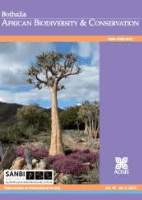
BOTHALIA
Advancing biodiversity through open access research.BOTHALIA is a prominent open-access journal dedicated to advancing the fields of Ecology, Evolution, Behavior, and Systematics, as well as Plant Science. Published by the South African National Biodiversity Institute (SANBI), this journal has been disseminating valuable research since 1978 and has embraced open access since 2014 to enhance the visibility and accessibility of scientific knowledge. With an ISSN of 0006-8241 and E-ISSN of 2311-9284, BOTHALIA plays a pivotal role in promoting biodiversity research in South Africa and beyond. In the recent Scopus rankings, it has been positioned at Q4 in both relevant categories, highlighting its contributions within the broader scientific community, despite being in its growing phase amidst competitive rankings. The journal aims to publish high-quality articles that address critical issues in biodiversity and ecological sciences, making it an essential resource for researchers, professionals, and students committed to understanding and managing our planet's biological heritage.
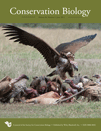
CONSERVATION BIOLOGY
Pioneering research in biodiversity and conservation.CONSERVATION BIOLOGY, published by Wiley, is a leading journal in the field of ecology and conservation, with a focus on disseminating high-quality research that addresses pressing environmental challenges. With a strong impact factor and categorized in the top quartile (Q1) across various relevant fields including Ecology, Evolution, Behavior and Systematics, and Nature and Landscape Conservation, the journal plays a pivotal role in advancing the scientific understanding of biodiversity and conservation practices. Since its establishment in 1987, CONSERVATION BIOLOGY has provided a vital platform for researchers, professionals, and students to share innovative findings and facilitate discussions surrounding ecological sustainability and conservation strategies. Although it is not an open-access publication, it ensures that a wide range of significant research is accessible to the global scientific community. The journal’s rigorous peer-review process and reputation for excellence make it an essential resource for anyone involved in the study of ecology and conservation.

AMPHIBIAN & REPTILE CONSERVATION
Protecting Biodiversity, One Species at a TimeAMPHIBIAN & REPTILE CONSERVATION, published by the Amphibian Conservation Research Center & Lab, is a leading journal dedicated to the field of herpetology and environmental conservation. With an ISSN of 1083-446X and an E-ISSN of 1525-9153, this journal serves as a vital resource for researchers, conservationists, and students interested in the preservation of amphibian and reptile species. The journal has achieved remarkable rankings, categorized in the Q2 quartile for Animal Science and Zoology, Ecology, and Nature and Landscape Conservation as of 2023, reflecting its significant contribution to the scientific community. Over the converged years from 2016 to 2024, the journal has established itself as an integral platform for disseminating research findings, fostering collaboration, and enhancing the understanding of biodiversity and ecosystem dynamics. By embracing an open-access approach, AMPHIBIAN & REPTILE CONSERVATION ensures that critical research is readily available to a global audience, promoting informed conservation efforts and policy advocacy to safeguard these vital species amidst their declining populations.

TAIWANIA
Unveiling the complexities of our natural world.TAIWANIA is a prestigious and long-standing journal dedicated to the fields of ecology, evolution, and systematics, published by NATIONAL TAIWAN UNIVERSITY PRESS. Since its inception in 1947, this open-access journal has provided a vital platform for researchers to disseminate their findings, encouraging collaboration and innovation in the ecological sciences. With a 2023 impact factor placing it in Quartile 2 for Ecology and Quartile 3 for Ecology, Evolution, Behavior and Systematics, TAIWANIA is recognized for its quality and influence, ranking #267 out of 461 in Environmental Science and #426 out of 721 in Agricultural and Biological Sciences within Scopus. The journal currently publishes contributions from both local and international researchers, showcasing a diverse array of topics that address crucial ecological issues and facilitate the advancement of knowledge in the discipline. For those seeking rigorous research, engaging reviews, and a commitment to open access, TAIWANIA remains a significant resource for the global scientific community.
Journal of Wildlife and Biodiversity
Unveiling the secrets of nature's diversity.Journal of Wildlife and Biodiversity, published by Arak University in Iran, is an Open Access journal that has been contributing to the fields of wildlife science and biodiversity since its inception in 2017. With an E-ISSN of 2588-3526, this journal serves as a vital platform for researchers, professionals, and students alike, dedicated to disseminating significant findings related to animal sciences, ecology, and environmental conservation. Despite its current Q4 ranking in various categories (Animal Science, Ecology, and Nature and Landscape Conservation) according to the 2023 metrics, the journal's commitment to advancing knowledge in wildlife and biodiversity remains unwavering. Although the journal's Scopus coverage has been discontinued since 2024, it continues to cater to a wide audience by promoting innovative research and fostering collaborations in the academic community, ultimately aiming to enhance understanding and conservation strategies for wildlife and their habitats.
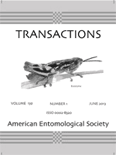
TRANSACTIONS OF THE AMERICAN ENTOMOLOGICAL SOCIETY
Illuminating the Complexities of Insect Life and Behavior.TRANSACTIONS OF THE AMERICAN ENTOMOLOGICAL SOCIETY, published by the American Entomological Society, is a distinguished journal committed to advancing the field of entomology through innovative research and comprehensive reviews. With an ISSN of 0002-8320 and an E-ISSN of 2162-3139, this journal has been a vital resource for entomologists since its inception, showcasing significant findings in insect science as well as ecology, evolution, behavior, and systematics. Although currently not offering Open Access, the journal remains a pivotal platform for professionals, researchers, and students interested in the biological sciences related to insects. The journal's influence is reflected in its Scopus rankings, with a Q3 designation in Insect Science and a Q4 designation in Ecology, Evolution, Behavior and Systematics as of 2023. With a convergence of published years from 1993 to present, TRANSACTIONS aims to foster a deep understanding of insect-related topics, thereby contributing valuable insights that may influence both academic and practical realms within entomology.

PACIFIC CONSERVATION BIOLOGY
Exploring the depths of ecology to inform conservation practices.PACIFIC CONSERVATION BIOLOGY is an esteemed academic journal published by CSIRO PUBLISHING, dedicated to advancing research in the fields of ecology and nature conservation. With a strong focus on the unique challenges and biodiversity of the Pacific region, this journal serves as a crucial platform for researchers, conservationists, and students alike to disseminate high-quality, impactful findings. Operating from Australia, it has become a significant resource since its inception in 1993, navigating through nearly three decades of vital scholarly communication. Ranked in the Q2 category for both Ecology and Nature and Landscape Conservation as of 2023, PACIFIC CONSERVATION BIOLOGY maintains rigorous standards, as reflected in its successful Scopus rankings. The journal plays a pivotal role in addressing pressing ecological issues and fostering innovative conservation strategies, making it an essential reference for anyone involved in environmental science. Access options for the journal facilitate widespread distribution of knowledge, supporting the mission to promote informed decision-making in conservation practices.
Neotropical Biology and Conservation
Advancing Knowledge for a Sustainable NeotropicsNeotropical Biology and Conservation, published by Pensoft Publishers, serves as a pivotal platform for researchers and professionals dedicated to the understanding and preservation of biodiversity in the Neotropical region. This Open Access journal, operational since 2006 and based in Brazil, invites contributions that delve into the complexities of ecology, evolution, and conservation strategies pertinent to the diverse ecosystems of South and Central America. With a commendable 2023 impact factor reflected in its Q3 rankings across multiple categories including Animal Science, Ecology, and Plant Science, it stands as a valuable resource for academics seeking to publish innovative findings and foster dialogue in these critical areas of study. The journal's commitment to open access ensures that knowledge is readily available to anyone interested in advancing the field of neotropical biology and conservation. Join the global conversation and contribute to the vital work of preserving our planet’s rich biological heritage through rigorous research published in this esteemed journal.

ACTA ZOOLOGICA BULGARICA
Your Gateway to Contemporary Zoological InsightsACTA ZOOLOGICA BULGARICA is a prominent academic journal dedicated to advancing knowledge in the fields of Animal Science, Zoology, Aquatic Science, Ecology, Evolution, Behavior, and Systematics. Published by the Institute of Zoology, Bulgarian Academy of Sciences, this journal serves as an invaluable platform for researchers, professionals, and students to disseminate their findings and engage with contemporary issues in biodiversity and ecology. With an established history since its convergence in 2010 and an ongoing publication schedule through to 2024, the journal holds a Q4 category ranking in multiple disciplines, highlighting its role in fostering scholarly communication in these areas despite its recent entry into Scopus-indexed rankings. Although currently not an open-access journal, ACTA ZOOLOGICA BULGARICA remains a key resource for those interested in the latest research and developments, particularly within the ecological and zoological landscapes of Europe and beyond.

SPIXIANA
Cultivating a Deeper Understanding of Zoological SciencesSPIXIANA is a distinguished journal dedicated to the fields of animal science and zoology, published by VERLAG DR FRIEDRICH PFEIL in Germany. With the ISSN 0341-8391, it has been contributing to the scientific community since its inception, with volumes converging from 2008 to 2024. Although currently listed in the Q4 quartile of the 2023 category rankings for Animal Science and Zoology, it provides a vital platform for researchers and professionals to disseminate significant findings in the field. Despite being unindexed in open access, SPIXIANA ensures that vital research reaches its audience, enhancing academic discourse and furthering our understanding of zoological sciences. Its commitment to sharing rigorous scientific research make it an important resource for anyone passionate about animal biology and conservation.