
JOURNAL OF BIOMATERIALS APPLICATIONS
metrics 2024
Connecting researchers with the latest in biomaterials technology.
Introduction
JOURNAL OF BIOMATERIALS APPLICATIONS, published by SAGE PUBLICATIONS LTD, serves as a pivotal platform for the dissemination of cutting-edge research in the field of biomaterials and biomedical engineering. With an ISSN of 0885-3282 and an E-ISSN of 1530-8022, this journal has been a respected venue for scholarly communication since its inception in 1986. Aiming to provide comprehensive insights into the applications of biomaterials, this journal publishes high-quality articles that explore innovative materials and methodologies, thereby fostering advancements in medical technology and tissue engineering. The journal consistently ranks in the third quartile (Q3) for both Biomaterials and Biomedical Engineering categories, strengthening its position among the noteworthy academic resources available today. With a dedicated readership comprising researchers, industry professionals, and students, JOURNAL OF BIOMATERIALS APPLICATIONS plays a vital role in supporting knowledge exchange and scientific progress within these dynamic fields.
Metrics 2024
 0.472.302.7067
Metrics History
Rank 2024
Scopus
IF (Web Of Science)
JCI (Web Of Science)
Quartile History
Similar Journals

Biosurface and Biotribology
Unlocking the Potential of Biomaterials through Open Access ResearchBiosurface and Biotribology, published by WILEY, is an innovative Open Access journal that has been dedicated to advancing the fields of biomaterials, biomedical engineering, and tribology since its inception. With a focus on the surface interactions and tribological behaviors of materials, this journal serves as an essential platform for researchers and professionals eager to explore the intersections of engineering, materials science, and biophysics. While it holds a current categorization in the Q4 quartile for biomaterials and biomedical engineering and a Q3 ranking in mechanical engineering, the journal's commitment to disseminating high-quality, peer-reviewed research contributes to its growing visibility and relevance in the academic landscape. With open access since 2018, it ensures that the latest research is freely available to all, fostering collaboration and innovation. Whether you are a graduate student, a seasoned researcher, or a professional in the field, Biosurface and Biotribology is your gateway to cutting-edge insights and developments that are shaping the future of biomaterials and surface engineering.
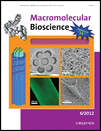
MACROMOLECULAR BIOSCIENCE
Catalyzing Innovation in the World of MacromoleculesMACROMOLECULAR BIOSCIENCE, published by WILEY-V C H VERLAG GMBH, is a leading journal in the fields of bioengineering, biomaterials, biotechnology, materials chemistry, and polymers and plastics. With a convergence of scientific inquiry since its inception in 2001, the journal has established itself as a vital resource for researchers and professionals exploring the interface of molecular sciences and biosystems. It boasts impressive Scopus rankings, including Q1 status in multiple categories, reflecting its significant contribution to advancing knowledge and innovation in the polymer and biomaterials domains. While the journal does not currently offer open access options, its rigorous peer-review process ensures the publication of high-quality research that fuels academic discourse. Positioned in Weinheim, Germany, MACROMOLECULAR BIOSCIENCE aims to bridge theoretical understanding with practical applications, making it an essential reference for students, academics, and industry practitioners dedicated to the evolving landscape of macromolecular bioscience.

Biomedical Physics & Engineering Express
Transforming Research into Real-World SolutionsBiomedical Physics & Engineering Express, published by IOP Publishing Ltd, serves as a dynamic platform for the dissemination of groundbreaking research in the interdisciplinary domains of biomedical physics, engineering, and related fields. With a focus on innovative solutions for healthcare challenges, the journal extends its reach to a global audience, providing valuable insights that influence both academic research and practical applications. Operating under an open-access format, this journal ensures that vital scientific discoveries are readily available to researchers, professionals, and students alike. Ranking within the Q3 and Q4 quartiles across various categories—including Bioengineering and Biomedical Engineering—indicates its emerging influence in the scientific community since its inception in 2015. With an increasing footprint in Scopus rankings and a commitment to advancing knowledge in subfields such as biophysics and health informatics, Biomedical Physics & Engineering Express plays a crucial role in shaping future innovations in healthcare technology and patient care.

JOURNAL OF BIOMEDICAL MATERIALS RESEARCH PART B-APPLIED BIOMATERIALS
Connecting Material Science and Medicine for a Healthier FutureJOURNAL OF BIOMEDICAL MATERIALS RESEARCH PART B-APPLIED BIOMATERIALS, published by Wiley, is a leading journal in the field of biomaterials and biomedical engineering, with an impact factor reflected in its relevant Scopus rankings—including a Q2 position in Biomedical Engineering and Q3 in Biomaterials for 2023. This journal, with ISSN 1552-4973 and E-ISSN 1552-4981, serves as a vital platform for disseminating pioneering research and innovative applications of biomaterials. Positioned in the United States, it aims to bridge the gap between material science and biological applications, fostering collaboration among researchers, professionals, and students dedicated to advancing technology in healthcare. With a convergence of studies from 2003 to 2024 and a growing focus on open access, the journal ensures greater visibility and accessibility for groundbreaking research. Join us in exploring the dynamic field of biomaterials, as we push the boundaries of science and engineering for improved patient outcomes.

Biomaterials Science
Empowering researchers to shape the future of biomaterials.Biomaterials Science is a premier journal published by the Royal Society of Chemistry that serves as a leading platform for researchers and professionals in the fields of Biomedical Engineering and Materials Science. With an impressive impact factor bolstered by its Q1 quartile ranking in both disciplines, this journal has positioned itself at the forefront of cutting-edge research, showcasing innovative materials and applications that drive advancements in healthcare and technology. Since its inception in 2013, Biomaterials Science has been committed to disseminating high-quality, peer-reviewed articles that promote scientific knowledge and collaboration among academia and industry. With a global readership and a focus on open access, researchers are encouraged to share their findings to facilitate the development of transformative biomaterials and their applications. Join a vibrant community of scholars as we explore the future of biomaterials through this esteemed publication, enhancing both scientific inquiry and practical application.

Tissue Engineering Part B-Reviews
Bridging Disciplines for Tomorrow's Medical Innovations.Tissue Engineering Part B-Reviews is a premier academic journal published by MARY ANN LIEBERT, INC, focusing on the interdisciplinary field of tissue engineering and regenerative medicine. With an impressive impact factor that places it in the Q1 category across multiple relevant fields—including Biochemistry, Bioengineering, Biomaterials, and Biomedical Engineering—this journal provides a vital platform for researchers and professionals to disseminate cutting-edge findings and comprehensive reviews. Covering a vast scope from 2008 to 2024, the journal is committed to advancing knowledge in the application of engineering principles to biological tissues, making it an indispensable resource for those at the forefront of biomedical innovation. While the journal does not currently offer open access options, its rigorous peer review process ensures high-quality contributions that are essential for academic and practical advancements. The journal's rankings in Scopus reflect its significance, catering to a diverse audience of students, researchers, and practitioners seeking the latest insights in this dynamic field.
Bio-Design and Manufacturing
Crafting the Future Through Bio-Design InnovationsBio-Design and Manufacturing, published by SPRINGER HEIDELBERG, is a pioneering journal that stands at the forefront of innovation in the fields of Biomedical Engineering, Biotechnology, Industrial and Manufacturing Engineering, and Materials Science. With its ISSN 2096-5524 and E-ISSN 2522-8552, this journal has established itself as a leading platform for disseminating cutting-edge research and advancements that merge biological principles with manufacturing processes, emphasizing sustainable and efficient practices. It has garnered recognition in the 2023 category quartiles, boasting a Q1 rank in all its relevant fields, which underscores its significance and impact—evident from its prime Scopus rankings that place it within the top percentiles of numerous engineering and materials science disciplines. Researchers, professionals, and students alike benefit from the wealth of knowledge presented in this journal, making it an essential resource for those seeking to enhance their understanding of bio-design applications and innovation in manufacturing processes.
Regenerative Therapy
Advancing regenerative medicine through open access innovation.Regenerative Therapy is a premier open-access journal dedicated to advancing the fields of biomaterials, biomedical engineering, and developmental biology. Published by Elsevier in Japan, this journal has been an influential platform since its inception in 2015, contributing significantly to the global discourse on regenerative medicine. With an impressive Q2 ranking in major categories such as Biomaterials and Biomedical Engineering, it is recognized for its quality of research and innovation. Researchers seeking to disseminate their findings or explore cutting-edge developments will find Regenerative Therapy to be invaluable, reflecting current trends and fostering collaborations across interdisciplinary boundaries. The journal offers open access, ensuring that high-quality research is available to a broad audience and enhances the impact of scholarly work in the regenerative medicine community.
BIOMACROMOLECULES
Fostering Innovation in Bioengineering DisciplinesBIOMACROMOLECULES, published by the American Chemical Society, stands as a premier journal in the fields of bioengineering, biomaterials, materials chemistry, and polymers and plastics. With a commendable impact factor that places it in the Q1 category across these disciplines, it is recognized for its influential research contributions and is ranked strongly within its scopes—16th in Polymers and Plastics and 26th in Biomaterials according to Scopus. Since its inception in 2000 and continuing through 2024, the journal has been pivotal in disseminating significant findings and technological advancements that propel the field forward. Although it does not currently have an open access option, the journal offers invaluable insights that are essential for researchers, professionals, and students engaged in the cutting-edge exploration of macromolecules and their diverse applications. With its address located at 1155 16th St, NW, Washington, DC 20036, BIOMACROMOLECULES is not just a repository of knowledge but also a vital platform for fostering collaboration and innovation within the scientific community.

Progress in Biomaterials
Exploring New Frontiers in Biomaterials DevelopmentProgress in Biomaterials is a premier journal published by Springer Heidelberg, dedicated to advancing the field of biomaterials through the dissemination of high-quality research articles, reviews, and case studies. The journal, with an ISSN of 2194-0509 and an E-ISSN of 2194-0517, holds an esteemed position within both the Biomaterials and Chemical Engineering fields, as evidenced by its rankings in the Q2 and Q1 quartiles, respectively. With its convergence over the years from 2013 to 2023, it has maintained a strong impact on scientific discourse, ranking #15 in Chemical Engineering and #30 in Biomaterials according to Scopus metrics. The journal is based in Heidelberg, Germany, and aims to provide an open platform for interdisciplinary collaboration amongst researchers, professionals, and students alike, fostering innovation and progress in biomaterials research. As a crucial resource for those engaged in this dynamic field, it empowers authors and readers to explore the latest trends, technologies, and applications in biomaterials development.