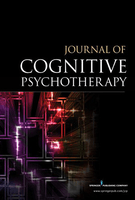
Journal of Cognitive Psychotherapy
Scope & Guideline
Exploring the Intersection of Thought and Healing
Introduction
Aims and Scopes
- Cognitive Behavioral Therapy (CBT) Applications:
The journal extensively covers research on the application of CBT across various mental health disorders, including anxiety, depression, PTSD, and OCD, providing evidence-based insights into treatment efficacy. - Acceptance and Commitment Therapy (ACT):
A significant focus is placed on ACT, highlighting its effectiveness in enhancing psychological flexibility and addressing a range of psychological issues, particularly in cases resistant to traditional therapies. - Innovative Therapeutic Techniques:
The journal showcases novel therapeutic interventions, such as combining different therapeutic modalities (e.g., CBT with self-help strategies), and explores their feasibility and acceptability in diverse populations. - Psychotherapy for Specific Populations:
Research addressing the unique needs of specific populations, including children with autism, veterans, and individuals with co-occurring disorders, is a core aspect of the journal's scope. - Measurement and Assessment Tools:
The journal publishes studies on the development and validation of new measures for assessing cognitive processes, therapeutic outcomes, and client engagement in psychotherapy. - Cultural and Contextual Factors in Therapy:
There is a consistent emphasis on understanding how cultural and contextual factors influence therapy outcomes, particularly in diverse clinical settings.
Trending and Emerging
- Integration of Technology in Therapy:
There is a growing trend towards exploring the use of telehealth and digital interventions in psychotherapy, particularly in response to the COVID-19 pandemic, showcasing the adaptability of therapeutic practices. - Enhanced Focus on Co-Occurring Disorders:
Research on the treatment of co-occurring disorders, such as OCD with other mental health issues, is increasingly prevalent, highlighting the complexity of many clients' needs and the importance of integrated treatment approaches. - Neuroscience and Psychotherapy:
Emerging studies are beginning to link neuroimaging findings with cognitive therapy outcomes, indicating a trend towards understanding the neurobiological underpinnings of therapeutic interventions. - Cultural Adaptations of Psychotherapy:
There is an increased emphasis on culturally adapted interventions, particularly for specific populations, reflecting a broader understanding of the importance of cultural competence in therapy. - Focus on Psychological Flexibility:
Research on psychological flexibility as a core component of therapy outcomes is gaining traction, particularly within ACT and related approaches, indicating a shift towards understanding client engagement and resilience.
Declining or Waning
- Traditional CBT without Integration:
Research focusing solely on traditional CBT approaches without integration of other therapeutic modalities or innovative practices is becoming less frequent, indicating a shift towards more integrative and eclectic therapeutic models. - Generalized Anxiety Disorder (GAD) Focus:
Studies specifically targeting GAD as a standalone condition have decreased, possibly as researchers explore more nuanced approaches to anxiety that incorporate multiple disorders. - Motivational Interviewing in Isolation:
While motivational interviewing remains a relevant theme, its standalone applications, without integration into broader therapeutic frameworks, are appearing less frequently in recent issues. - Psychoeducation-Only Interventions:
There is a noticeable decline in publications focusing solely on psychoeducational interventions without a therapeutic component, reflecting a trend towards more comprehensive treatment strategies. - Case Studies Without Empirical Support:
The journal is moving away from purely anecdotal case studies that lack empirical backing, favoring research with robust methodological frameworks.
Similar Journals
ZEITSCHRIFT FUR KLINISCHE PSYCHOLOGIE UND PSYCHOTHERAPIE
Elevating Standards in Clinical Psychology and PsychotherapyZEITSCHRIFT FUR KLINISCHE PSYCHOLOGIE UND PSYCHOTHERAPIE is a distinguished academic journal published by HOGREFE VERLAG, renowned for its commitment to advancing the fields of clinical psychology and psychotherapy. With its inception dating back to 1974, this journal has been a vital platform for disseminating cutting-edge research, innovative therapeutic techniques, and critical reviews in the realm of clinical psychology. The journal currently holds an impact factor that reflects its significance in the academic community, with a category rank of Q3 in Clinical Psychology according to 2023 quartiles. Although it operates without open access, ZEITSCHRIFT FUR KLINISCHE PSYCHOLOGIE UND PSYCHOTHERAPIE provides invaluable insights and rigorous scholarly work that are essential for researchers, professionals, and students seeking to deepen their understanding of psychological practices and theories. Located in Göttingen, Germany, the journal maintains its relevance by converging topics from various periods, ensuring a comprehensive review of evolving methodologies and psychosocial interventions from 1996 to 2024.

International Journal of Psychology and Psychological Therapy
Bridging Research and Practice in PsychologyThe International Journal of Psychology and Psychological Therapy, published by ASOC ANALISIS COMPORTAMIENTO, is a leading platform for the dissemination of innovative research in the field of psychology, headquartered in Spain. With an impactful history from 2001 to 2024, this journal focuses on a diverse range of psychological topics, including clinical, developmental, educational, experimental, and cognitive psychology. Recognized in 2023, the journal holds prestigious rankings in the Scopus database, with quartile placements of Q3 in Clinical Psychology and Q4 in both Developmental and Educational Psychology as well as Experimental and Cognitive Psychology, indicating its growing influence within these domains. While it operates under a subscription model, the journal remains committed to enhancing accessibility for researchers and practitioners alike, facilitating an exchange of knowledge that is crucial for advancing psychological science. Whether you're a seasoned researcher or an emerging scholar, the International Journal of Psychology and Psychological Therapy serves as an invaluable resource for fostering a deeper understanding of complex psychological phenomena.
Journal of Rational-Emotive and Cognitive-Behavior Therapy
Bridging Theory and Practice in Clinical Psychology.Journal of Rational-Emotive and Cognitive-Behavior Therapy, published by Springer, stands as a significant interdisciplinary forum in the field of clinical psychology and experimental and cognitive psychology. With a history spanning from 1983 to 2024, this journal is dedicated to advancing research and practice encapsulating the principles of rational-emotive therapy and cognitive-behavioral approaches. Acknowledged for its impactful contributions, it holds an impressive Q2 ranking in Clinical Psychology and a Q3 ranking in Experimental and Cognitive Psychology as of 2023. The journal serves an essential role in disseminating evidence-based findings that cater to researchers, professionals, and students alike, fostering a deeper understanding of cognitive processes and emotional regulation. We invite you to explore the latest research and case studies, which contribute to the therapeutic landscape, and deepen your knowledge in this evolving field.
BEHAVIOURAL AND COGNITIVE PSYCHOTHERAPY
Connecting Theory and Practice in Mental HealthBEHAVIOURAL AND COGNITIVE PSYCHOTHERAPY, published by Cambridge University Press, serves as a crucial platform for advancing the field of clinical psychology and psychotherapy. With an ISSN of 1352-4658 and E-ISSN of 1469-1833, this journal not only holds a formidable reputation, ranking in the Q2 quartile within Clinical Psychology and Medicine (Miscellaneous) as of 2023, but also reflects a steady commitment to innovation and interdisciplinary research since its inception in 1993. The journal endeavors to publish high-quality research that enhances understanding and application of behavioral and cognitive strategies in psychological practice. Researchers, practitioners, and students alike will find a rich repository of knowledge that addresses contemporary challenges and advances theoretical underpinnings relevant to mental health interventions. Additionally, the journal’s commitment to academic rigor is evidenced by its Scopus ranking in the 59th percentile among clinical psychology journals. Engage with cutting-edge research that shapes the future of psychotherapy at this leading academic outlet.

PSYCHOLOGICAL REVIEW
Connecting Theory and Practice in Psychology.PSYCHOLOGICAL REVIEW, published by the American Psychological Association, stands as a premier journal within the field of psychology, boasting an impressive track record since its inception in 1894. With an impressive impact factor and a distinguished position in Q1 quartiles for both History and Philosophy of Science and Miscellaneous Psychology, this journal is recognized as a leading source of innovative research and critical analysis. Consistently ranked in the top tier, it holds the 17th position out of 216 in general psychology according to Scopus, reflecting its significance and the high caliber of scholarly contributions it features. While the journal is not open access, it provides comprehensive insights geared towards researchers, professionals, and students keen to deepen their understanding of psychological theories and practices. With a commitment to fostering intellectual discourse, PSYCHOLOGICAL REVIEW is essential for anyone engaged in the evolving landscape of psychological research.
COGNITIVE AND BEHAVIORAL PRACTICE
Empowering practitioners with innovative cognitive strategies.COGNITIVE AND BEHAVIORAL PRACTICE, published by Elsevier Science Inc, is a prominent peer-reviewed journal focusing on the rapidly evolving field of clinical psychology. With an ISSN of 1077-7229 and an E-ISSN of 1878-187X, this journal has established itself as a key resource for researchers and practitioners alike since its inception in 1994. As of 2023, it proudly holds a Q1 ranking in the Clinical Psychology category, ranked #85 out of 311 according to Scopus, placing it in the 72nd percentile among its peers. The journal aims to disseminate innovative approaches and evidence-based practices within cognitive and behavioral therapy, encouraging robust discussion and dissemination of new findings to enhance clinical practices. Researchers and students engaged in psychological research will find the substantial rigor and depth in its publications invaluable for advancing their knowledge and skills.
COGNITIVE THERAPY AND RESEARCH
Pioneering Insights into Cognitive Processes and Therapy.Cognitive Therapy and Research is a prestigious journal dedicated to advancing the field of cognitive therapy and its intersections with research in psychology. Published by Springer/Plenum Publishers, this journal has established a significant impact, reflected in its impressive Q1 rankings in both Clinical Psychology and Experimental and Cognitive Psychology, as well as its placement within the 80th percentile of Scopus rankings for Experimental and Cognitive Psychology. With a history spanning from 1977 to 2024, Cognitive Therapy and Research addresses crucial advancements and findings in cognitive therapy, providing a vital platform for researchers, professionals, and students alike. While the journal is not currently open access, it remains an essential resource for those seeking to deepen their understanding of cognitive processes and therapeutic techniques. Situated in the vibrant academic landscape of the United States, the journal reflects a commitment to high-quality research that influences practice and theoretical frameworks within clinical psychology.

Psychology Research and Behavior Management
Advancing understanding in psychology and behavior management.Psychology Research and Behavior Management is a leading peer-reviewed journal that serves as a vital resource in the field of psychology and mental health. Published by DOVE MEDICAL PRESS LTD since 2008, this open access journal allows for the free dissemination of knowledge, ensuring that valuable research findings are accessible to a global audience. With an impact factor that positions it within the Q2 category in both Psychiatry and Mental Health as well as in Psychology (miscellaneous), the journal is recognized for its significant contribution to the understanding of behavioral management and psychological health. Its rankings—#61 out of 216 in General Psychology and #222 out of 567 in Psychiatry and Mental Health—further highlight its influence within these critical fields. By providing an avenue for innovative research and insights, Psychology Research and Behavior Management aims to support researchers, professionals, and students in exploring and addressing complex psychological issues, ultimately fostering informed practices and advancements in mental health care.

Journal of Evidence-Based Psychotherapies
Advancing mental health through rigorous evidence.Journal of Evidence-Based Psychotherapies is a pivotal publication focusing on the integration of empirical research and practical applications within the domain of psychotherapy. Published by the International Institute for Advanced Studies in Psychotherapy & Applied Mental Health, this journal plays a significant role in fostering innovative approaches to mental health treatment, contributing to the evidence-based practice that is crucial for enhancing therapeutic outcomes. With an ISSN of 2360-0853 and a commitment to Open Access, the journal provides researchers and practitioners from around the globe with unrestricted access to the latest findings and methodologies in the field. Since its inception in 2014, the journal has consistently aimed to bridge the gap between scientific research and clinical practice, reflecting its overall objectives to promote significant advancements in psychotherapy. Rated in the Q3 category for Clinical Psychology and Q4 for Experimental and Cognitive Psychology, it holds a Scopus rank that underscores its importance in the academic landscape. Situated in Cluj-Napoca, Romania, this journal invites contributions that deepen our understanding of effective therapeutic strategies and address contemporary challenges within mental health.
International Journal of Cognitive Therapy
Pioneering Insights into Cognitive Processes and Therapy.International Journal of Cognitive Therapy is a distinguished peer-reviewed journal dedicated to advancing the field of cognitive therapy and its empirical applications. Published by SPRINGER INT PUBL AG, this journal is positioned within the vibrant landscape of Experimental and Cognitive Psychology, reflecting a commitment to rigorous academic standards with a 2023 impact factor that underscores its relevance and influence (Rank #67/165 and 59th percentile on Scopus). Established in 2008, the journal covers a wide array of topics, promoting research that enhances theoretical frameworks and clinical practices in cognitive therapy. Although it operates under a subscription model, its contributions are pivotal for researchers, professionals, and students alike who seek to deepen their understanding of cognitive processes and psychotherapeutic methods. As it converges towards its future until 2024, the journal continues to foster scholarly dialogue and innovation in the cognitive therapy domain.