
Journal of Dermatology & Dermatologic Surgery-JDDS
Scope & Guideline
Connecting Researchers to Pioneering Dermatologic Discoveries
Introduction
Aims and Scopes
- Clinical Dermatology Research:
Focuses on the clinical aspects of various skin conditions, including epidemiological studies, treatment efficacy, and quality of life assessments for dermatological patients. - Surgical Dermatology:
Covers advancements and techniques in dermatologic surgery, including case reports, surgical outcomes, and innovative surgical methods. - Cosmetic Dermatology:
Explores trends in cosmetic procedures, patient perceptions, and outcomes related to aesthetic dermatology, emphasizing the growing interest in cosmetic interventions. - Dermatopathology:
Includes studies that delve into the histopathological aspects of skin diseases, providing insights into diagnosis, treatment responses, and disease mechanisms. - Patient-Centered Research:
Incorporates studies on patient experiences, knowledge, and attitudes towards dermatological conditions and treatments, highlighting the importance of understanding patient perspectives in dermatology.
Trending and Emerging
- Advanced Treatment Modalities:
There is a growing focus on innovative treatment approaches, including the use of biologics and combination therapies, particularly for chronic skin conditions such as psoriasis and hidradenitis suppurativa. - Impact of COVID-19 on Dermatology:
Research addressing the effects of the COVID-19 pandemic on dermatological practices, patient care, and disease presentations is increasingly prominent, reflecting the global health crisis's influence on the field. - Psychodermatology:
An emerging interest in the psychological aspects of dermatological conditions, including the mental health impact of skin diseases and the relationship between psychological factors and dermatological symptoms. - Teledermatology and Digital Health:
The integration of telemedicine in dermatology, particularly in response to the pandemic, is a significant trend, with studies exploring its effectiveness and patient acceptance. - Patient Quality of Life Assessments:
A rising number of studies are focusing on the quality of life and psychosocial aspects of dermatological diseases, emphasizing the importance of holistic patient care.
Declining or Waning
- Traditional Dermatological Treatments:
There has been a noticeable decrease in studies focusing on conventional treatments, as newer therapies and combinations gain prominence in research. - Basic Dermatological Education:
Research specifically aimed at the educational aspects of dermatology training in medical schools is becoming less frequent, possibly overshadowed by more clinical and surgical studies. - Rare Dermatological Conditions:
While still important, there seems to be a reduced emphasis on rare dermatological conditions as the journal increasingly prioritizes more prevalent and impactful issues in dermatology.
Similar Journals
JOURNAL OF CUTANEOUS MEDICINE AND SURGERY
Advancing knowledge in skin health and surgical excellence.The Journal of Cutaneous Medicine and Surgery is a premier publication in the fields of dermatology and surgery, dedicated to advancing the scientific understanding of skin-related conditions and surgical techniques. Published by SAGE Publications Inc, this esteemed journal features a rich repository of peer-reviewed research, reviews, and clinical studies, ensuring that it remains at the forefront of dermatologic and surgical innovation. With an impressive impact factor and a ranking in the top quartile (Q1) of both dermatology and surgery categories for 2023, it is recognized as a vital resource for professionals, researchers, and students alike. The journal has consistently made significant contributions to the knowledge base that guides clinical practice and surgical decision-making, fostering a deeper understanding of the complexities involved in cutaneous medicine. For comprehensive updates, researchers can access this journal through SAGE’s platform, which supports the dissemination of high-quality research findings to a global audience.
CLINICAL AND EXPERIMENTAL DERMATOLOGY
Bridging the Gap Between Clinical and Experimental Dermatology.CLINICAL AND EXPERIMENTAL DERMATOLOGY is a prominent journal in the field of dermatology, published by Oxford University Press. With an ISSN of 0307-6938 and an E-ISSN of 1365-2230, this journal has been a vital resource for researchers and practitioners since its inception in 1976. Recognized as a Q2 journal within the category of dermatology for 2023, it holds a respectable position, ranking #54 among 142 journals in this discipline, placing it in the 62nd percentile on Scopus. The journal is dedicated to publishing high-quality research that spans clinical and experimental aspects of dermatological science, making it an essential source of knowledge for advancing understanding and treatment of skin disorders. Although it operates on a traditional subscription model without open access options, its contributions to the field are significant, influencing both clinical practices and academic research. Researchers, clinicians, and students alike will find vital insights and contemporary themes presented in its pages, supporting ongoing education and innovation in dermatology.
ARCHIVES OF DERMATOLOGICAL RESEARCH
Pioneering Discoveries in DermatologyArchives of Dermatological Research is a premier journal dedicated to the rapidly evolving field of dermatology, published by Springer. With a distinguished history dating back to 1971 and indexed in the top quartiles (Q1 in Dermatology and Q2 in Medicine, 2023), this journal serves as a vital resource for researchers, clinicians, and students alike. It publishes innovative findings, critical reviews, and comprehensive studies that advance our understanding of dermatological conditions and treatments. The journal's commitment to disseminating high-quality research in a field crucial to public health emphasizes the importance of advancing knowledge in skin science and therapy. For those looking to explore significant advancements in dermatology, Archives of Dermatological Research offers an invaluable platform for scholarly discourse and knowledge exchange, though it is not an Open Access journal. Based in Germany, this publication attracts a global audience and remains at the forefront of dermatological research until its anticipated converged years reaching 2024.
JOURNAL DER DEUTSCHEN DERMATOLOGISCHEN GESELLSCHAFT
Connecting researchers and clinicians for skin health advancements.JOURNAL DER DEUTSCHEN DERMATOLOGISCHEN GESELLSCHAFT, published by Wiley, is a prominent periodical in the field of dermatology, recognized by its Q2 quartile ranking in the 2023 dermatology category. With a dedicated focus on advancing knowledge in dermatological science, the journal publishes rigorous peer-reviewed research that encompasses a range of topics including clinical studies, research methodologies, and innovative treatment practices in dermatology. Its impact is reflected in its Scopus ranking, where it stands at #48 out of 142 in the medicine dermatology category, placing it in the top 66th percentile. Although not an Open Access journal, it serves as a critical resource for researchers, clinicians, and students alike, facilitating the dissemination of high-quality research findings and fostering a deeper understanding of dermatological conditions and treatments. With years of convergence from 2003 to 2024, this journal remains a vital platform for scholarly dialogue and discovery in dermatology.
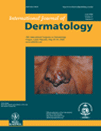
INTERNATIONAL JOURNAL OF DERMATOLOGY
Advancing dermatological science for a healthier tomorrow.The INTERNATIONAL JOURNAL OF DERMATOLOGY, published by WILEY, stands as a premier scholarly platform in the field of dermatology, with a notable impact factor that affirms its quality and renown. Established in 1963 and converging through to 2024, this journal is recognized as a Q1 category publication, ranking in the top 20% of journals within the dermatology field according to the Scopus ranking system, where it occupies the 28th position among 142 journals. This reflects its dedication to advancing the understanding and treatment of skin diseases, making it a vital resource for researchers, healthcare professionals, and medical students alike. Although it does not provide open access options, articles published in this journal cover a broad range of dermatological topics, ensuring that it serves as a comprehensive and authoritative source for cutting-edge research and clinical practices. With its rigorous peer-review process and commitment to high standards, the INTERNATIONAL JOURNAL OF DERMATOLOGY remains indispensable for those engaged in dermatological science and practice.
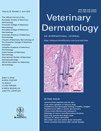
VETERINARY DERMATOLOGY
Leading the way in veterinary dermatology research and practice.Veterinary Dermatology is a prestigious peer-reviewed journal dedicated to advancing the field of veterinary dermatology, published by Wiley. With a longstanding commitment to disseminating high-quality research since its inception in 1990, this journal has garnered significant recognition, achieving a commendable Q1 ranking in the Veterinary (miscellaneous) category for 2023 and ranking #42 out of 194 in the General Veterinary category on Scopus, placing it within the 78th percentile. Although it operates primarily on a subscription basis, the journal offers vital insights into the latest developments, clinical practices, and case studies in veterinary skin disorders. By serving as a crucial platform for researchers, veterinary professionals, and students, Veterinary Dermatology empowers its audience with the knowledge necessary to enhance animal healthcare and well-being across diverse environments. With its focus on cutting-edge research and its contribution to the global veterinary community, this journal remains an indispensable resource for those dedicated to the field.
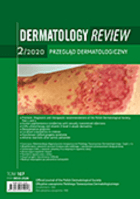
Przeglad Dermatologiczny
Pioneering Insights in Skin Science and CarePrzeglad Dermatologiczny is a peer-reviewed open-access journal published by TERMEDIA PUBLISHING HOUSE LTD, based in Poland. Since its establishment in 1951, this journal has been dedicated to advancing the field of dermatology by providing a platform for the dissemination of original research, reviews, and clinical case studies. With an e-ISSN of 2084-9893, it has gained recognition within the academic community, despite its current classification in the Q4 quartile of dermatological journals. The journal has been openly accessible since 2009, promoting wider dissemination of scientific knowledge, and is crucial for researchers, professionals, and students alike. While it holds a current rank of #105 out of 142 in the Scopus Dermatology category, the journal continually strives to enhance its impact through quality publications that address pressing dermatological issues. The diverse range of topics covered in the journal ensures it remains a vital resource for those looking to stay informed on the latest developments in dermatological research.
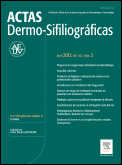
Actas Dermo-Sifiliograficas
Empowering Knowledge in Dermatology and Forensic MedicineActas Dermo-Sifiliograficas, published by Elsevier España, stands as a pivotal resource in the realms of dermatology, histology, and pathology and forensic medicine. With its ISSN of 0001-7310 and E-ISSN 1578-2190, this esteemed journal has transitioned to an Open Access model since 2020, facilitating broader dissemination of impactful research. Operating from its Madrid headquarters, it has been a vital platform for scholarly exchange since its inception in 1945, continuing through its converged years until 2024. The journal holds a Q3 ranking in dermatology, histology, and pathology and forensic medicine as of 2023, reflecting its relevance in the academic community where it ranks 79th in dermatology and 126th in pathology among its peers. With a commitment to advancing knowledge and practice in its fields, Actas Dermo-Sifiliograficas serves as an essential repository for researchers, professionals, and students seeking to engage with the latest findings and innovative perspectives in skin and disease research.
JOURNAL OF DERMATOLOGY
Innovating skin care practices with cutting-edge findings.The Journal of Dermatology, published by Wiley, is a premier academic journal dedicated to advancing the field of dermatology, with its esteemed reputation reflected in its Q1 ranking in Dermatology and a remarkable Q2 ranking in Miscellaneous Medicine as of 2023. Since its inception in 1974, the journal has become a vital resource for researchers, clinicians, and students alike, covering pioneering studies and cutting-edge advancements in skin health and disease. With a Scopus rank of #32 out of 142 in the Dermatology category, placing it in the 77th percentile, the journal underscores its commitment to fostering knowledge and innovation within the dermatological community. Although the journal operates under a subscription model, it remains an essential platform for disseminating impactful research that shapes clinical practice and enhances patient care. For anyone invested in dermatological sciences, Journal of Dermatology serves as a key publication where critical insights and developments are regularly showcased.

Turk Dermatoloji Dergisi-Turkish Journal of Dermatology
Exploring the forefront of Turkish dermatological science.Turk Dermatoloji Dergisi-Turkish Journal of Dermatology, published by Wolters Kluwer Medknow Publications, is a prominent platform dedicated to advancing the field of dermatology in Turkey and beyond. With an ISSN of 1307-7635 and an E-ISSN of 1308-5255, this journal plays a vital role in disseminating contemporary research and clinical advancements within the domain. While it is positioned in the Q4 quartile of dermatology journals, its contributions are essential for academics, medical practitioners, and students averse to the latest trends and breakthroughs in skin health. The journal assures accessibility to a broad audience, fostering knowledge exchange, collaboration, and innovation. Given its unique perspective rooted in Turkish dermatological practices, the Turkish Journal of Dermatology serves as a significant resource for enhancing professional competence and driving forward the science of dermatology through its vivid discussions and case studies. For researchers seeking a dedicated venue to publish their work or for professionals eager to stay informed, this journal is an indispensable resource in the ever-evolving landscape of dermatology.