JOURNAL DER DEUTSCHEN DERMATOLOGISCHEN GESELLSCHAFT
Scope & Guideline
Advancing dermatological science through rigorous research.
Introduction
Aims and Scopes
- Clinical Dermatology:
The journal emphasizes clinical studies that provide insights into the diagnosis, treatment, and management of various skin conditions. This includes investigations on common diseases like psoriasis, eczema, and skin cancers. - Dermatological Surgery:
Research related to dermatological surgical techniques, including reconstructive surgery and innovative approaches to skin cancer excisions, is a core focus area. - Immunodermatology:
The journal publishes studies on autoimmune skin disorders such as pemphigus and pemphigoid, highlighting the role of immunotherapy and novel treatment strategies. - Dermatopathology:
Contributions from dermatopathology are essential, with a focus on the histological aspects of skin diseases and their correlation with clinical findings. - Epidemiology and Public Health:
The journal explores the epidemiological aspects of skin diseases, their prevalence, and the impact of public health initiatives, particularly in skin cancer screening and management. - Innovative Therapies:
There is a consistent focus on emerging therapies, including biologics and novel pharmacological agents, particularly in the treatment of chronic inflammatory skin diseases.
Trending and Emerging
- Teledermatology:
The rise of telemedicine, especially during and post-COVID-19, has led to a surge in research focusing on teledermatology, evaluating its effectiveness and patient satisfaction. - Biologics and Targeted Therapies:
There is a growing emphasis on the efficacy and safety of biologic treatments, particularly for chronic inflammatory skin conditions like psoriasis and atopic dermatitis. - Skin Microbiome Research:
Studies investigating the relationship between the skin microbiome and dermatological conditions are emerging, highlighting the importance of microbial balance in skin health. - Patient-Reported Outcomes:
There is an increasing focus on patient-reported outcomes and quality of life measures, emphasizing the need to evaluate treatment effectiveness from the patient's perspective. - Psychodermatology:
Research exploring the psychological impact of skin diseases and the intersection of dermatology and mental health is gaining traction, reflecting a more holistic approach to patient care. - Artificial Intelligence in Dermatology:
The integration of AI and machine learning in dermatological diagnostics and treatment planning is an emerging area of interest, with studies evaluating their effectiveness and clinical applications.
Declining or Waning
- Traditional Topical Treatments:
Research on conventional topical treatments for skin conditions such as corticosteroids has decreased, likely due to a shift towards biologic therapies and systemic treatments. - Basic Science Research:
There has been a noticeable decline in publications focused solely on basic science research as the journal pivots more towards clinical applications and patient-centered outcomes. - Rare Skin Diseases:
Studies focusing on less common dermatological conditions appear to have waned, possibly as researchers concentrate on more prevalent conditions that impact larger patient populations. - Historical Perspectives in Dermatology:
The journal has seen fewer articles dedicated to historical analyses or retrospective studies of dermatological practices, indicating a potential shift towards contemporary issues.
Similar Journals
AUSTRALASIAN JOURNAL OF DERMATOLOGY
Exploring the forefront of skin health innovation.Australasian Journal of Dermatology is a leading publication in the field of dermatology, issued by Wiley since 1951, and reaching an audience of researchers, clinicians, and students interested in the latest advancements and practices in skin health. With an ISSN of 0004-8380 and an E-ISSN of 1440-0960, this journal stands out with its Q2 ranking in both Dermatology and Miscellaneous Medicine, positioning it within the top 61st percentile of its category according to Scopus. Although it does not provide Open Access options, Australasian Journal of Dermatology is committed to disseminating high-quality research that informs clinical practices and promotes scholarly dialogue. By publishing rigorous and peer-reviewed articles focused on various aspects of dermatological science, the journal plays a pivotal role in enhancing the dermatology community's understanding of skin conditions and treatments, making it an invaluable resource for professionals and students alike.
Dermatology Research and Practice
Pioneering studies that transform dermatological practice.Dermatology Research and Practice is a premier open access journal published by HINDAWI LTD, dedicated to advancing the field of dermatology since its establishment in 2009. With a respectable impact factor and a ranking of #42 out of 142 in the Scopus Medicine - Dermatology category, the journal stands in the 70th percentile, reflecting its influence and relevance in contemporary dermatological research. Based in Egypt, it provides a platform for groundbreaking studies that shape clinical practice and policy worldwide. The journal covers a wide range of topics within dermatology, including but not limited to clinical research, epidemiology, and patient care, making it an essential resource for researchers, healthcare professionals, and students seeking to enhance their understanding and contribute to the field. Emphasizing open access, Dermatology Research and Practice ensures that vital research findings are readily available to the global community, fostering collaboration and innovation in dermatology.
Annals of Dermatology
Exploring breakthroughs in dermatological research.Annals of Dermatology is a prestigious academic journal published by the Korean Dermatological Association, focusing on the latest research and advancements in the field of dermatology. With a commitment to advancing knowledge in skin health and disease, this journal serves as a vital resource for researchers, clinicians, and students working in dermatology and related disciplines. Since its inception in 1989, it has evolved to consolidate its position in the academic community, boasting a Q2 ranking in the 2023 Dermatology category and a Scopus rank of #87 out of 142, placing it in the 39th percentile. Although it operates under a subscription model, the journal's impact factor reflects its significance in advancing dermatological research, attracting innovative studies and reviews that shape clinical practice. With a publication history extending from 1989 to 1996 and then from 2008 to the present, Annals of Dermatology continues to be an essential publication for those devoted to improving skin health.

Dermatologie
Pioneering Insights in Dermatological ScienceDermatologie, published by SPRINGER HEIDELBERG, is a prominent journal dedicated to the advancing field of dermatology. With its ISSN 2731-7005 and E-ISSN 2731-7013, this journal has established itself as a valuable resource for researchers, professionals, and students alike. Originating in Germany, the journal focuses on disseminating innovative research from 2022 to 2024, contributing significantly to the understanding of skin health and disease management. Despite its current ranking within the Q3 category in dermatology and a Scopus rank of #88/142, it provides critical insights and advances in clinical practice, epidemiology, and therapeutic modalities. With an emphasis on open discourse, it seeks to foster collaboration among healthcare professionals and researchers, thereby enhancing the quality and accessibility of dermatological research. Engage with Dermatologie to stay at the forefront of the latest advancements in skin-related health issues.

Journal of Dermatology & Dermatologic Surgery-JDDS
Elevating Standards in Dermatology and Surgical PracticesJournal of Dermatology & Dermatologic Surgery (JDDS) is a premier open access journal published by Wolters Kluwer Medknow Publications since 2018. This journal serves as a vital platform for the dissemination of cutting-edge research and advancements in the field of dermatology and dermatologic surgery. With its ISSN 2352-2410 and E-ISSN 2352-2429, JDDS strives to present high-quality articles that encompass clinical studies, innovative surgical techniques, and comprehensive reviews, thereby catering to the interests of researchers, medical professionals, and students alike. The journal has gained recognition within the academic community, evidenced by its Scopus ranks, placing it 237th out of 551 in the Medicine - Surgery category and 70th out of 142 in Medicine - Dermatology. The open access model not only enhances visibility but also encourages global collaboration and knowledge sharing in the rapidly evolving field of dermatology. Targeting the needs of diverse audiences, JDDS continues to foster an environment for scholarly communication and contributes significantly to the advancement of dermatologic sciences.
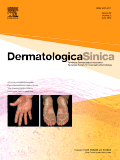
Dermatologica Sinica
Exploring the Frontiers of Dermatology TogetherDermatologica Sinica, published by Wolters Kluwer Medknow Publications, is an esteemed open-access journal in the field of dermatology that has been disseminating critical research since its inception in 2005. With an E-ISSN of 2223-330X and an ISSN of 1027-8117, this journal presents a platform for researchers, clinicians, and students to share cutting-edge findings and advancements in dermatological science. As of 2023, it proudly ranks in the Q2 category of dermatology journals and holds a notable position at rank #62 out of 142 in the Scopus Medicine - Dermatology category, placing it in the 56th percentile for impact. The journal transitioned to an open-access model in 2016, enhancing accessibility and visibility for groundbreaking studies worldwide. With a commitment to fostering innovation in the dermatological community, Dermatologica Sinica aims to advance the understanding and treatment of skin diseases while encouraging scholarly dialogue among practitioners and researchers across the globe.
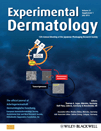
EXPERIMENTAL DERMATOLOGY
Advancing the Science of Skin HealthEXPERIMENTAL DERMATOLOGY, published by WILEY, is a leading journal in the fields of Biochemistry and Dermatology, with impressive rankings including Q1 status in both categories as of 2023. With its ISSN 0906-6705 and E-ISSN 1600-0625, the journal offers a reputable platform for disseminating cutting-edge research and insights into skin biology and related health issues. As a pivotal resource for professionals, researchers, and students alike, EXPERIMENTAL DERMATOLOGY includes a broad scope of topics, fostering a deeper understanding of dermatological conditions and enhancing new therapeutic strategies. The journal’s distinguished performance is highlighted by its Scopus rankings, which place it at the 91st percentile in Medicine-Dermatology and the 65th in Biochemistry. While not an open-access publication, the journal remains committed to ensuring the accessibility of crucial developments within the dermatological community worldwide, facilitating the advancement of both clinical practice and academic inquiry.

Acta Dermatovenerologica Croatica
Elevating Standards in Dermatological and Venereological ResearchActa Dermatovenerologica Croatica is a premier journal dedicated to the fields of dermatology and venereology, published by the Croatian Dermatovenereological Society. Established in 1994, this journal has been a vital platform for disseminating research and advancements in the understanding and treatment of skin diseases and sexually transmitted infections. Although it is currently classified in the Q4 quartile for dermatology, infectious diseases, and miscellaneous medicine, it provides a unique opportunity for emerging researchers and seasoned professionals to contribute to a growing body of knowledge. Based in Zagreb, Croatia, the journal emphasizes free access to information that enhances clinical practices and scientific understanding among dermatologists and venereologists worldwide. As the journal approaches its 30th anniversary, it continues to aim for excellence in research quality, fostering collaboration, and innovating in the ever-evolving fields it represents.

Turkderm-Turkish Archives of Dermatology and Venerology
Empowering Dermatology with Unrestricted KnowledgeTurkderm - Turkish Archives of Dermatology and Venerology, published by GALENOS PUBL HOUSE, serves as a vital platform for the dissemination of innovative research and advancements in the fields of dermatology and venerology. With an Open Access policy implemented since 2002, this journal aims to provide free and unrestricted access to significant findings, ensuring that vital information reaches a global audience. Based in Turkey, the journal has positioned itself as an important resource for professionals, researchers, and students alike, despite currently being categorized in Q4 of both Dermatology and Infectious Diseases as per the 2023 metrics. Although it faces competition in the rankings, with a Scopus standing of #131 in Dermatology and #331 in Infectious Diseases, its dedication to advancing knowledge in these critical health areas is unwavering. The journal continually invites original research, reviews, and case studies that enhance clinical practices and foster understanding in the dermatological community.

Postepy Dermatologii i Alergologii
Pioneering studies in skin and allergy science.Postepy Dermatologii i Alergologii is a distinguished Open Access journal published by TERMEDIA PUBLISHING HOUSE LTD, dedicated to advancing the fields of Dermatology and Immunology and Allergy. Since its inception in 2003, this journal has served as a vital platform for researchers and practitioners alike, promoting knowledge sharing and collaboration in Poland and beyond. With a current impact ranking placing it in the Q3 quartile for both Dermatology and Immunology and Allergy categories, it plays a significant role in contributing to academic discourse within these fields. The journal is indexed in Scopus, with respectable rankings reflecting its relevance and quality—#65/142 in Dermatology and #163/233 in Immunology and Allergy. Researchers are encouraged to explore a vast array of innovative studies and reviews, making it an essential resource for anyone seeking to stay at the forefront of dermatological and allergic research. For those interested in discovering groundbreaking findings and contributing to the ongoing dialogue in these disciplines, Postepy Dermatologii i Alergologii offers not only free accessibility but also a commitment to scholarly excellence.