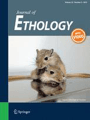
JOURNAL OF ETHOLOGY
metrics 2024
Connecting Theory and Practice in Ethological Research
Introduction
Journal of Ethology, published by Springer Japan KK, is a prominent academic journal that focuses on the study of animal behavior and ecology. With an ISSN of 0289-0771 and an E-ISSN of 1439-5444, this journal serves as a critical platform for researchers, professionals, and students interested in the intricate dynamics of animal behavior and its ecological implications. The journal is recognized for its contributions to the fields of Animal Science and Zoology, and Ecology, Evolution, Behavior and Systematics, achieving a respectable Q3 quartile ranking in both categories as of 2023. Although it is not an open access journal, it offers extensive research articles and reviews, bridging theoretical and practical aspects of ethology. Spanning an extensive publishing history from 1983 to 2024, the Journal of Ethology aims to disseminate high-quality research that enhances our understanding of animal behavior, fostering interdisciplinary connections and advancing knowledge in animal welfare, conservation, and behavioral ecology.
Metrics 2024
 0.290.901.0040
Metrics History
Rank 2024
Scopus
IF (Web Of Science)
JCI (Web Of Science)
Quartile History
Similar Journals

Journal of Vertebrate Biology
Innovating research in animal science and ecology.Journal of Vertebrate Biology, a reputable publication established by the Institute of Vertebrate Biology in the Czech Republic, serves as a vital platform for research across the fields of Animal Science and Zoology, Aquatic Science, and Ecology, Evolution, Behavior and Systematics. With its ISSN 2694-7684 and a commendable 2023 Q2 ranking in multiple categories, this open-access journal embraces innovative scientific inquiry and fosters academic discourse. The journal's commitment to disseminating high-quality research is reflected in its Scopus rankings, positioning it within the top quartile in several impactful areas. As it continues to converge its focus until 2024, researchers, professionals, and students alike are encouraged to engage with cutting-edge studies that advance our understanding of vertebrate biology. This publication stands out not only in its scholarly contributions but also in enhancing global awareness of biodiversity and conservation issues.
ACTA ZOOLOGICA
Fostering Scholarly Dialogue in Animal ScienceACTA ZOOLOGICA, published by WILEY, is a distinguished journal that serves as an essential resource for researchers and professionals in the fields of Animal Science, Zoology, Cell Biology, and Ecology. With its ISSN 0001-7272 and E-ISSN 1463-6395, this journal has been contributing to the scientific community since 1920 and continues to explore new dimensions in zoological research. As of 2023, it holds an impactful position with a Q3 ranking in Animal Science and Zoology as well as Ecology, Evolution, Behavior and Systematics, signifying its relevance and emerging influence in these domains. Although it is not an Open Access journal, ACTA ZOOLOGICA remains committed to disseminating high-quality research and facilitating scholarly discussions among its audience. The journal aims to publish original articles, reviews, and critical findings that enhance understanding of animal biology and conservation, addressing global ecological challenges. Its rankings in Scopus further underscore its scholarly reputation, making it a valuable addition to the libraries of institutions and individuals alike.
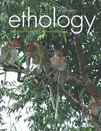
ETHOLOGY
Innovating Understanding of Animal InteractionsETHOLOGY, published by WILEY, is a prestigious journal that has been at the forefront of animal behavior research since its inception in 1986. With an ISSN of 0179-1613 and E-ISSN 1439-0310, this journal holds a significant position, categorized in the Q1 quartile for Animal Science and Zoology and Q2 for Ecology, Evolution, Behavior, and Systematics as of 2023. Recognized for its rigorous peer-review process and comprehensive scope, ETHOLOGY publishes cutting-edge research that illuminates the complexities of animal behavior, making it an invaluable resource for researchers, professionals, and students alike. With an impact factor that underlines its relevance in the field, the journal's commitment to advancing knowledge in ethology is evident through its extensive citation and ranking metrics, including a commendable position in Scopus for both Animal Science and Zoology as well as Ecology. Though it does not offer open access, the journal remains a pivotal platform for the dissemination of innovative studies that contribute to our understanding of wildlife and their ecosystems.
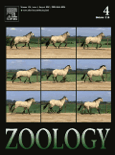
ZOOLOGY
Fostering global collaboration in zoological sciences.ZOOLOGY, an esteemed journal published by Elsevier GmbH, stands at the forefront of research in the Animal Science and Zoology fields. With a notable impact factor and recognized as a Q1 category journal in its discipline, ZOOLOGY is highly regarded among researchers, ranking #98 out of 490 in Scopus rankings. Founded in 1994 and continuing through to 2024, the journal aims to publish cutting-edge, peer-reviewed articles that contribute significantly to the understanding of zoological sciences. Based in Munich, Germany, ZOOLOGY provides both subscription and open access options, ensuring that influential research reaches a wider audience. It serves as an essential platform for disseminating innovative findings, connecting scholars globally, and fostering interdisciplinary collaboration to advance zoological knowledge.
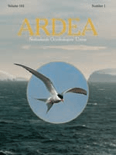
ARDEA
Discovering the intricacies of bird biology and ecology.ARDEA, published by the Nederlandse Ornithologische Unie, is a prominent journal in the fields of Animal Science, Zoology, and Ecology. With its rich history spanning from 1981 to the present, ARDEA serves as a vital platform for researchers and professionals dedicated to avian studies and the ecological sciences. This quarterly journal is recognized in the Q3 category for both Animal Science and Ecology, as per the latest rankings, and maintains an impressive global standing within its subject areas. Although it operates without an open access model, the journal provides significant insights and contributions to the understanding of bird biology, conservation, and evolution. Researchers and students seeking to advance their knowledge in ornithology and related fields will find ARDEA to be an indispensable resource, promoting high-quality research and fostering academic collaboration.

RUSSIAN JOURNAL OF THERIOLOGY
Illuminating the Interconnections of Life on EarthRUSSIAN JOURNAL OF THERIOLOGY is a prominent academic journal published by KMK SCIENTIFIC PRESS LTD in collaboration with the esteemed Moscow State University. As a dedicated platform for researchers in the fields of Animal Science and Zoology, Ecology, Evolution, Behavior and Systematics, and Plant Science, this journal strives to advance our understanding of terrestrial ecosystems and their inhabitants. Although it currently holds a Q4 ranking and ranks within the lower percentiles of its respective categories, the journal's consistent publishing output since 2011 showcases a commitment to facilitating scientific discourse and collaboration. Addressed to a diverse audience of researchers, professionals, and students, RUSSIAN JOURNAL OF THERIOLOGY serves as an essential resource for disseminating valuable insights and fostering future advancements in the biological sciences.
ACTA ETHOLOGICA
Unveiling the Secrets of Animal Behavior and EvolutionACTA ETHOLOGICA, published by Springer Heidelberg, is a leading journal in the fields of Animal Science and Zoology, as well as Ecology, Evolution, Behavior, and Systematics. With an ISSN of 0873-9749 and an E-ISSN of 1437-9546, this journal has established itself as a notable platform for innovative research and review articles since its inception in 1998. As of 2023, it holds a Category Quartile of Q3 in both its primary categories, showcasing its commitment to advancing knowledge within these scientific domains. The journal aims to facilitate the dissemination of cutting-edge research on animal behavior and ecology, fostering collaboration among researchers, professionals, and students. While it does not currently offer Open Access options, ACTA ETHOLOGICA remains crucial for those looking to stay informed about the latest developments and trends in ethology. For inquiries, the journal's editorial office is located at Tiergartenstraße 17, D-69121 Heidelberg, Germany.
Frontiers in Zoology
Connecting researchers for a deeper understanding of ecosystems.Frontiers in Zoology is a premier, open-access journal published by BMC that has been a cornerstone of zoological research since its inception in 2004. With a commitment to advancing the field, this journal covers a broad spectrum of topics within Animal Science and Zoology, as well as Ecology, Evolution, Behavior, and Systematics. Recognized for its quality, it holds a distinguished Q1 ranking in both of these categories and ranks within the top percentiles in Scopus, with 87th and 78th percentiles, respectively. Based in the United Kingdom, it provides researchers, professionals, and students with innovative studies and findings that encourage interdisciplinary collaboration and exploration. The journal is dedicated to facilitating the open exchange of scientific knowledge, making it an essential resource for those seeking to stay at the forefront of zoological and ecological sciences.

Fishes is a premier academic journal dedicated to the exploration and dissemination of cutting-edge research in the fields of aquatic science and ecology. Published by MDPI in Switzerland, this open-access journal has been accessible to researchers globally since its inception in 2016, allowing for the rapid exchange of knowledge that fosters scientific advancement in the study of fish and aquatic ecosystems. With its convergence in the years 2016 to 2024, Fishes proudly holds a notable position in the academic community, evidenced by its category quartile rankings of Q3 in Aquatic Science and Q2 in Ecology for 2023. The journal consistently features innovative research encompassing ecological interactions, conservation strategies, and evolutionary studies within aquatic environments. By integrating interdisciplinary approaches and encouraging contributions from a diverse array of experts, Fishes serves as an invaluable resource for researchers, professionals, and students alike, contributing to the understanding and preservation of our precious aquatic biodiversity.

BIOLOGICAL JOURNAL OF THE LINNEAN SOCIETY
Pioneering insights into evolutionary processes.BIOLOGICAL JOURNAL OF THE LINNEAN SOCIETY is a prestigious, peer-reviewed journal published by Oxford University Press that serves as a leading platform for original research in the fields of ecology, evolution, behavior, and systematics. With its ISSN of 0024-4066 and E-ISSN 1095-8312, this journal has maintained an impressive Q1 ranking in the latest Scopus statistics, which firmly positions it among the top tier of journals in its category (ranked #197 out of 721). Established in 1969, it covers a broad range of topics crucial for understanding biodiversity and the evolutionary processes shaping it, with its coverage extended until 2024. Though it does not operate under an open-access model, it ensures wide visibility and dissemination of impactful research findings. The journal is key for researchers, professionals, and students dedicated to advancing knowledge in biological sciences, fostering interdisciplinary collaboration, and addressing pressing ecological challenges.