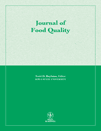
JOURNAL OF FOOD QUALITY
metrics 2024
Innovative Research for a Healthier Food Future
Introduction
The Journal of Food Quality, an esteemed publication under Wiley-Hindawi, stands as a vital resource in the dynamic field of Food Science, established since 1977 and operating under an Open Access model since 2017. With its seat in the United Kingdom, this journal focuses on delivering high-quality research and insights pertaining to food safety, risk management, and quality assurance, reflected in its impressive Q2 ranking in both Food Science and Safety, Risk, Reliability and Quality categories in 2023. Researchers and professionals will find the journal’s contributions indispensable, particularly given its Scopus rankings that place it in the top echelons of its fields, highlighting its impact and relevance. By fostering an environment of knowledge sharing, the Journal of Food Quality not only enhances academic dialogue but also supports innovation and best practices in food research and industry applications.
Metrics 2024
 0.562.603.0060
Metrics History
Rank 2024
Scopus
IF (Web Of Science)
JCI (Web Of Science)
Quartile History
Similar Journals
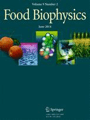
Food Biophysics
Innovating Food Preservation through Biophysical ResearchWelcome to Food Biophysics, an esteemed journal published by SPRINGER, dedicated to advancing the field of food science through the lens of biophysics. With an ISSN of 1557-1858 and an E-ISSN of 1557-1866, this journal provides a platform for the dissemination of innovative research from 2006 to 2024. Food Biophysics holds a distinguished position in the academic community, boasting a Q1 ranking in Food Science and Q2 rankings in Analytical Chemistry, Applied Microbiology and Biotechnology, Bioengineering, and Biophysics. This positions the journal in the 73rd percentile for Food Science, signifying its relevance and influence in the field. Although not Open Access, it remains an invaluable resource for researchers, professionals, and students interested in the intricate biophysical properties of food materials and processes. Explore cutting-edge findings that bridge disciplines and advance our understanding of how biophysics can innovate food preservation, safety, and quality.
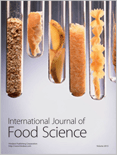
International Journal of Food Science
Exploring Innovative Solutions for Global Food ChallengesThe International Journal of Food Science, published by HINDAWI LTD, stands as a crucial platform for advancing knowledge within the realm of food science. Established in 2013, this Open Access journal based in Egypt has garnered significant recognition, achieving an impressive Q2 classification in the 2023 Food Science category, which reflects its commitment to quality and impactful research. With a Scopus rank of #88 out of 389 in Agricultural and Biological Sciences and placing in the 77th percentile, this journal serves as an essential resource for researchers, professionals, and students dedicated to innovative developments and scientific exploration in food science. The journal not only provides unrestricted access to valuable research but also aims to foster collaboration and dissemination of knowledge on critical issues affecting food safety, nutrition, and technology. For those looking to keep abreast of the latest advancements, the International Journal of Food Science is certainly an indispensable addition to their academic pursuits.

CZECH JOURNAL OF FOOD SCIENCES
Exploring Innovative Solutions for Food Safety and TechnologyCzech Journal of Food Sciences is a premier publication in the field of food science, disseminating vital research since its inception in 1999 and transitioning to Open Access in 2007. Published by the Czech Academy Agricultural Sciences, this journal facilitates the exchange of knowledge among researchers, professionals, and students dedicated to advancing the understanding of food systems, safety, and technology. With an ISSN of 1212-1800 and an E-ISSN of 1805-9317, it holds a respectable position with a Q3 ranking in the Food Science category for 2023, illustrating its commitment to high-quality research despite its Scopus rank of 209 out of 389, situated in the 46th percentile. Located in the heart of the Czech Republic, at TESNOV 17, PRAGUE 117 05, this journal serves as an essential resource for those involved in agricultural and biological sciences, paving the way for innovative discoveries and applications in food science.

Applied Food Research
Unleashing the Potential of Food ResearchApplied Food Research, published by Elsevier, is an esteemed journal that plays a critical role in advancing the field of Food Science. With an ISSN of 2772-5022, the journal has established itself as a premier outlet for high-quality research, achieving a commendable Q1 ranking in the 2023 Food Science category and a 63rd percentile in Scopus rankings for Agricultural and Biological Sciences. Covering a diverse range of topics from food safety to innovative processing techniques, Applied Food Research seeks to publish pioneering studies that enhance our understanding of food systems and contribute to broader discussions on sustainability and nutrition. As it converges on its fourth year of publication, researchers, professionals, and students alike are encouraged to engage with its content through various open access options, ensuring widespread dissemination of knowledge in a field that is vital to global health and well-being. Operating out of Amsterdam, Netherlands, this journal is poised to be an indispensable resource for anyone dedicated to making significant contributions in the domain of food science.
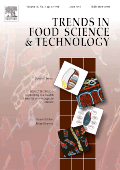
TRENDS IN FOOD SCIENCE & TECHNOLOGY
Pioneering trends that shape the future of food.Trends in Food Science & Technology, published by Elsevier Science London, stands as a premier journal in the fields of food science and biotechnology. With an impressive Q1 ranking in both the food science and biotechnology categories, it is recognized for its rigorous peer-reviewed articles that advance knowledge and innovation in the sector. The journal’s Scopus rankings validate its significance, placing it in the top percentile among its peers, with a remarkable rank of #2 out of 389 in Agricultural and Biological Sciences - Food Science, and #4 out of 311 in Biochemistry, Genetics, and Molecular Biology - Biotechnology. Since its inception in 1990, the journal has become a vital resource for researchers, professionals, and students alike, offering insights into contemporary challenges and trends impacting food technology. Although it operates under a subscription model, the quality of research published within its pages makes it an essential read for anyone involved in advancing the science of food.
LWT-FOOD SCIENCE AND TECHNOLOGY
Pioneering research in food preservation and processing.LWT - Food Science and Technology is a premier academic journal published by Elsevier, specializing in the multifaceted fields of food science and technology. With a distinguished presence since its inception in 1973, this journal has evolved to become a vital resource for researchers and professionals aiming to advance knowledge in food safety, preservation, processing, and sensory analysis. Currently ranked in the Q1 quartile of food science journals, it holds an impressive Scopus ranking of 22 out of 389 in the Agricultural and Biological Sciences category, placing it in the 94th percentile. While certain articles may be available via subscription, LWT is committed to disseminating cutting-edge research that enhances food quality and innovation. This journal not only serves as a critical platform for the exchange of scientific ideas but also addresses contemporary challenges in food technology, ensuring that it remains essential for scholars, industry professionals, and students alike seeking to contribute to and stay abreast of advancements in the field.
FOOD SCIENCE AND TECHNOLOGY INTERNATIONAL
Transforming food technology through cutting-edge research.FOOD SCIENCE AND TECHNOLOGY INTERNATIONAL, published by SAGE Publications Ltd, is a premier journal in the fields of food science and technology, serving as a crucial platform for the dissemination of innovative research and practical applications from 1995 through to 2024. With an impact factor reflecting its significant standing—ranking in the Q2 quartile for Chemical Engineering, Food Science, and Industrial and Manufacturing Engineering—this journal plays an instrumental role in advancing the interdisciplinary study of food systems. Researchers, professionals, and students can access high-quality contributions that address the latest developments and trends in food technology, safety, and processing. Located in the United States, FOOD SCIENCE AND TECHNOLOGY INTERNATIONAL also boasts commendable Scopus rankings, ensuring its articles are both relevant and widely cited within the academic community. As a vital resource for anyone engaged in food science research, этот журнал fosters knowledge sharing and innovation in the ever-evolving landscape of food technology.

Current Research in Food Science
Shaping the Landscape of Food Science InnovationCurrent Research in Food Science is a leading peer-reviewed academic journal published by Elsevier, specializing in the dynamic field of food science. Since its transition to an Open Access model in 2019, the journal has broadened its reach, contributing significantly to the dissemination of high-quality research. With strong rankings, including a Q1 quartile status in Applied Microbiology and Biotechnology, Biotechnology, and Food Science, it stands out as a pivotal resource for scholars. Based in the Netherlands, current research published within its pages spans a wide range of relevant topics, ensuring that researchers and practitioners stay abreast of the latest advancements. The journal's impressive Scopus rankings enhance its credibility, with a percentile standing in the 74th to 83rd range across relevant categories, underscoring its impact and importance in the academic community. Current Research in Food Science aims to foster the exchange of innovative ideas and foster collaborative efforts among researchers, making it an essential resource for those engaged in advancing the science and technology of food.
INTERNATIONAL JOURNAL OF FOOD SCIENCE AND TECHNOLOGY
Connecting Researchers to the Heart of Food ScienceINTERNATIONAL JOURNAL OF FOOD SCIENCE AND TECHNOLOGY, published by WILEY, serves as a premier platform for the dissemination of cutting-edge research in the field of food science and technology. With an ISSN of 0950-5423 and E-ISSN 1365-2621, this journal has been committed to publishing high-quality research since 1966 and is set to continue its impactful contributions through 2024. Recognized for its excellence, it holds a Q1 ranking in Food Science and a Q2 ranking in Industrial and Manufacturing Engineering as of 2023. The journal ranks #95/384 in Industrial and Manufacturing Engineering and #100/389 in Food Science on Scopus, placing it within the top quartiles of these fields. Although it does not currently offer Open Access, researchers and professionals benefit from access to a wealth of knowledge that advances understanding in both applied and theoretical aspects of food science. This journal is indispensable for anyone in the academic and professional domains who seeks to stay abreast of innovations and trends shaping the food industry.

Food Science of Animal Resources
Empowering Scholars with Open Access to Cutting-Edge ResearchFood Science of Animal Resources is a prestigious, peer-reviewed journal published by the Korean Society of Food Science and Animal Resources, serving as a vital platform for disseminating advanced research in the fields of Animal Science and Food Science. Since its inception in 2018, the journal has quickly established itself with an impressive Q1 ranking in both categories for 2023, indicating its relevance and influence in the academic community—evident by its ranking of #23 in Animal Science and Zoology and #78 in Food Science among thousands of journals. Operating on an Open Access model since 2019, it enables unrestricted access to cutting-edge research for a global audience, facilitating collaboration and innovation. Its commitment to quality and rigor makes it an essential resource for researchers, professionals, and students dedicated to advancing knowledge in food safety, nutrition, and sustainable practices within the animal resource sector. Set against the vibrant backdrop of South Korea, the journal aims to bridge gaps in knowledge and foster communication among scholars and practitioners worldwide.