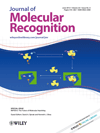
JOURNAL OF MOLECULAR RECOGNITION
metrics 2024
Illuminating the Complexities of Molecular Recognition
Introduction
JOURNAL OF MOLECULAR RECOGNITION, published by Wiley, is an esteemed academic journal that has been at the forefront of molecular biology and structural biology research since its inception in 1988. With its ISSN 0952-3499 and E-ISSN 1099-1352, this journal serves as a vital platform for disseminating innovative studies and findings in the realms of biochemical interactions and molecular structure elucidation. Although currently positioned in Quartile 4 of both molecular and structural biology categories based on 2023 metrics, the journal is dedicated to advancing knowledge in quantitative and qualitative molecular recognition processes. Researchers, professionals, and students alike will find that this journal is instrumental in keeping abreast of cutting-edge developments in the field, even as it continues to build its impact and reputation within the dynamic research landscape. Located in the United Kingdom, it is committed to promoting a diverse range of studies that drive forward the understanding of molecular interaction phenomena, thus empowering its readership to contribute effectively to the field.
Metrics 2024
 0.342.302.2086
Metrics History
Rank 2024
Scopus
IF (Web Of Science)
JCI (Web Of Science)
Quartile History
Similar Journals

BIOCHIMICA ET BIOPHYSICA ACTA-GENERAL SUBJECTS
Elevating Knowledge in Biochemistry and BiophysicsBIOCHIMICA ET BIOPHYSICA ACTA-GENERAL SUBJECTS, published by Elsevier, serves as a pivotal journal in the fields of biochemistry and biophysics, with a long-standing history dating back to 1956. This esteemed publication, bearing the ISSN 0304-4165 and E-ISSN 1872-8006, continuously contributes to advancing our understanding of complex biological processes through rigorous research articles and reviews. It notably holds a distinguished position with a Q2 classification in Biochemistry and a Q1 ranking in Biophysics for 2023, reflecting its high relevance and impact within these scientific domains. The journal is also recognized within the Scopus metrics, taking a rank of #40 out of 152 in Biophysics and #173 out of 438 in Biochemistry, thus placing it in the 74th and 60th percentiles respectively. Academics and professionals in the life sciences will find this journal an essential resource for current research, cutting-edge techniques, and comprehensive reviews aimed at enhancing the understanding of biological functions. While BIOCHIMICA ET BIOPHYSICA ACTA is not an open-access journal, it remains a cornerstone publication for those seeking to stay at the forefront of biochemical and biophysical research.
PROTEIN JOURNAL
Elevating Protein Research to New HeightsProtein Journal, published by Springer, stands as a significant academic resource in the fields of Analytical Chemistry, Biochemistry, Bioengineering, and Organic Chemistry. Since its inception in 1996, the journal has dedicated itself to the dissemination of high-quality research focused on protein chemistry and its biomedical applications. With an impressive impact reflected in its classification as a Q2 journal in Analytical Chemistry and Q3 in both Biochemistry and Bioengineering as of 2023, it provides an essential platform for researchers and practitioners to share their findings. The journal embraces the open-access model, enhancing accessibility to cutting-edge research. The Protein Journal is crucial for academicians, industry professionals, and students, catering to their need for rigorous scientific discourse and innovative discoveries in protein studies. With an established track record of converging over two decades of knowledge and research, it continues to influence and shape the advancements in this vital area of science.

BIOPHYSICAL JOURNAL
Innovating through interdisciplinary collaboration in biophysics.BIOPHYSICAL JOURNAL, published by CELL PRESS, is a leading interdisciplinary platform dedicated to advancing the field of biophysics. With an ISSN of 0006-3495 and an E-ISSN of 1542-0086, this esteemed journal has garnered a prestigious position within the academic community, reflected in its ranking as Q1 in Biophysics for the year 2023. Its Scopus rank of #44/152 in the category of Biochemistry, Genetics, and Molecular Biology showcases its significant influence, with a notable percentile of 71st. Since its inception in 1960, the journal has published cutting-edge research that explores the quantitative and qualitative aspects of biological phenomena, making it essential for researchers, professionals, and students in the field. While the journal operates under a subscription model, its rigorous peer-review process ensures the highest quality of published work, contributing to groundbreaking discoveries and innovations that shape the future of biophysics. For more information or to explore the latest research, please visit the journal’s platform.

CELL BIOCHEMISTRY AND BIOPHYSICS
Bridging Disciplines for a Deeper Understanding of LifeCELL BIOCHEMISTRY AND BIOPHYSICS is a distinguished journal published by HUMANA PRESS INC, focusing on critical advancements in the fields of biochemistry, biophysics, and cell biology. Since its establishment, the journal has provided a robust platform for the dissemination of cutting-edge research, covering diverse aspects of cellular biochemistry and the physical principles that underlie biological systems. With an emphasis on interdisciplinary studies, the journal aims to facilitate knowledge exchange among researchers, professionals, and students from various scientific backgrounds. As reflected in its 2023 category rankings, it holds a respectable position in Q3 for Biochemistry and Cell Biology, and Q2 for both Biophysics and Medicine (miscellaneous), indicating its significant contribution to these fields. Although it operates under a subscription model, the journal's commitment to maintaining high publication standards ensures that only impactful studies are shared with its audience. With a range of articles spanning theoretical insights to practical applications, CELL BIOCHEMISTRY AND BIOPHYSICS is an essential resource for those aiming to stay at the forefront of biochemical and biophysical research.

JOURNAL OF INCLUSION PHENOMENA AND MACROCYCLIC CHEMISTRY
Fostering Understanding of Complex Molecular SystemsJOURNAL OF INCLUSION PHENOMENA AND MACROCYCLIC CHEMISTRY, published by Springer, is a distinguished peer-reviewed journal that caters to the interdisciplinary fields of chemistry, condensed matter physics, and food science. This prominent journal, with its ISSN 1388-3127 and E-ISSN 1573-1111, has been a pivotal platform for the dissemination of innovative research since its inception in 1999, contributing to the academic dialogue through 2024. With a commendable impact factor reflected in its 2023 Scopus rankings—placing within the 60th percentile across its respective categories—this journal provides critical insights into the mechanisms of inclusion phenomena and the applications of macrocyclic compounds. Although it currently is not open access, the journal remains vital for researchers and professionals seeking to publish and access high-quality scientific findings that shape advancements in chemistry and related fields. By bridging the gap between theoretical exploration and practical application, the journal serves as an essential resource for scientists, students, and academicians, fostering a deeper understanding of complex molecular interactions.

Current Research in Structural Biology
Advancing the Frontiers of Structural BiologyCurrent Research in Structural Biology, published by Elsevier, is a pioneering Open Access journal that has rapidly gained prominence since its inception in 2019. With a focus on advancing the understanding of molecular and structural biology, this journal provides a platform for researchers and professionals to publish groundbreaking findings that contribute to the field's ongoing development. With a commendable Q2 ranking in both Molecular Biology and Structural Biology categories for 2023, it serves as a vital resource for the community, ensuring accessibility to high-quality research. The journal is indexed in Scopus, showcasing its significant impact and relevance, particularly with a ranking of #26/49 in the Structural Biology discipline. Located in the heart of the Netherlands, Current Research in Structural Biology not only fosters academic discourse but also encourages collaborative research efforts in addressing critical biological questions. Whether you are a researcher, student, or industry professional, this journal is essential for staying abreast of the latest advancements and trends in structural biology.
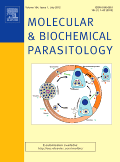
MOLECULAR AND BIOCHEMICAL PARASITOLOGY
Exploring the Intricacies of Host-Parasite Interactions.MOLECULAR AND BIOCHEMICAL PARASITOLOGY is a renowned journal published by Elsevier, focusing on the crucial intersections of molecular biology and parasitology. Since its inception in 1980, this journal has aimed to advance our understanding of parasitic organisms at the biochemical and molecular levels, providing a dedicated platform for researchers studying host-parasite interactions, parasite genetics, and diagnostic methodologies. Although it currently holds a quartile status of Q4 in Molecular Biology and Q3 in Parasitology for the year 2023, it remains a vital resource within the academic community, boasting a variety of research articles, reviews, and case studies that explore innovative treatment strategies and the molecular biology of parasites. Researchers and students alike can benefit from the journal's contributions to the field, despite its traditional publishing model, as the content remains pivotal for ongoing studies and advancements in parasitology.
Doklady Biochemistry and Biophysics
Connecting Researchers through Innovative Biochemistry and Biophysics InsightsDoklady Biochemistry and Biophysics is a vital resource for the advancement of knowledge in the fields of biochemistry and biophysics, published by MAIK NAUKA/INTERPERIODICA/SPRINGER. Featuring an ISSN of 1607-6729 and an E-ISSN of 1608-3091, this journal plays a critical role in disseminating research findings and fostering scholarly discourse. Despite its recent ranking in the Q4 quartile for biochemistry and biophysics in 2023, it serves as an essential platform for researchers exploring these intertwined disciplines. The journal’s scope encompasses a wide variety of topics, enhancing the understanding of biochemical processes and physical principles in biological systems. With converged years of publication from 2001 to 2024, it stands as a continual source of knowledge for its readers, who include researchers, professionals, and students alike. While the journal currently does not offer open access options, its contributions remain significant within the scholarly community, illustrated by its competitive Scopus rankings across related fields.
Chemical Biology & Drug Design
Transforming research into real-world health solutions.Chemical Biology & Drug Design, an esteemed publication by WILEY, serves as a vital platform for the dissemination of pioneering research in the interdisciplinary fields of biochemistry, drug discovery, molecular medicine, organic chemistry, and pharmacology. With a dedicated commitment to advancing the understanding of chemical interactions and drug development, this journal not only fosters innovation but also bridges the gap between theoretical research and practical applications. It boasts an impressive impact factor and is recognized in the 2023 category quartiles as Q3 in Biochemistry and Molecular Medicine, and Q2 in Drug Discovery, Organic Chemistry, and Pharmacology, indicating its relevance and influence in these crucial areas. The journal’s rankings across various Scopus categories further solidify its position as a reputable resource for researchers, professionals, and students striving to stay at the forefront of medicinal chemistry and drug design. While primarily traditional access-based, the journal's evolving scope from 2006 to 2024 ensures an ongoing contribution to essential scientific dialogue, making it an indispensable read for those committed to advancing health sciences.

Biophysical Reviews
Elevating Understanding Through Rigorous Peer ReviewBiophysical Reviews, published by SpringerNature, is a leading international journal focused on the interdisciplinary areas of biophysics, structural biology, and molecular biology. With an impressive 2023 impact factor, the journal ranks in the Q1 category for biophysics and is also highly regarded in structural and molecular biology, reflecting its commitment to advancing understanding in these critical fields. Operating since 2009 and converging toward its goal of comprehensive coverage by 2024, Biophysical Reviews provides a platform for researchers to share innovative insights and critical reviews that shape the future of biophysical sciences. Its rigorous peer-review process ensures high-quality publications that are closely monitored within the academic community, making it an essential resource for researchers, professionals, and students aiming to stay at the forefront of biophysical research. Access options are available for enhancing the dissemination of knowledge, supporting a broad audience dedicated to scientific excellence.