Journal of Natural Medicines
Scope & Guideline
Transforming Research into Practice in Natural Medicines
Introduction
Aims and Scopes
- Investigation of Natural Products:
The journal emphasizes the identification and characterization of bioactive compounds derived from plants, fungi, and other natural sources. This includes detailed chemical profiling and analysis of their pharmacological properties. - Pharmacological Applications:
Research published in the journal often explores the therapeutic applications of natural products, including their effects on various diseases such as cancer, inflammation, and metabolic disorders. - Traditional Medicine and Ethnopharmacology:
The journal incorporates studies that examine traditional medicinal practices and the role of natural products in folk medicine, providing insights into their potential scientific validation and integration into modern healthcare. - Methodological Innovations:
The journal highlights advancements in methodologies for the extraction, isolation, and analysis of natural compounds, including novel analytical techniques and experimental models that enhance the understanding of their mechanisms of action. - Sustainability and Conservation:
Research focusing on sustainable practices in the sourcing and utilization of medicinal plants is also prevalent, addressing the importance of biodiversity conservation in the context of natural medicine.
Trending and Emerging
- Natural Products in Cancer Research:
A significant number of recent publications are dedicated to exploring the anti-cancer properties of various natural compounds, highlighting their mechanisms of action and potential as therapeutic agents. - Immunomodulatory Effects of Natural Compounds:
There is a growing body of research investigating how natural products can modulate immune responses, particularly in the context of autoimmune diseases and inflammatory conditions. - Microbiome Interactions with Natural Products:
Emerging studies are focusing on the interactions between natural compounds and gut microbiota, examining how these relationships can influence health and disease. - Natural Products in Metabolic Disorders:
Research targeting the effects of natural products on metabolic diseases, including obesity and diabetes, is on the rise, reflecting increased attention on lifestyle-related health issues. - Environmental and Ecological Pharmacology:
There is an increasing trend towards understanding the ecological impact of natural product sourcing and the importance of conservation in the context of pharmacological research.
Declining or Waning
- Synthetic Modifications of Natural Products:
There appears to be a waning interest in the synthesis and modification of natural products for therapeutic applications. As the focus shifts towards understanding the holistic effects of natural compounds, less emphasis is placed on synthetic analogs. - Traditional Knowledge Documentation:
Although still relevant, the documentation and study of traditional knowledge regarding medicinal plants are appearing less frequently. Researchers may be prioritizing empirical studies over ethnobotanical surveys. - Single-Component Studies:
There is a noticeable decline in studies focusing solely on individual compounds. The trend is moving towards integrative approaches that consider the synergistic effects of multiple components found in herbal formulations. - In Vitro Studies:
Research based solely on in vitro models is becoming less prominent, as there is an increasing demand for in vivo studies that provide more relevant insights into the pharmacokinetics and therapeutic efficacy of natural products.
Similar Journals
JOURNAL OF ETHNOPHARMACOLOGY
Advancing Knowledge in EthnopharmacologyThe Journal of Ethnopharmacology, published by Elsevier Ireland Ltd, is a pivotal resource in the fields of Drug Discovery and Pharmacology, recognized as a Q1 journal in both categories as of 2023. With a rich history since its inception in 1979, this peer-reviewed journal provides a platform for rigorous research and innovative findings related to traditional medicinal practices and the therapeutic potential of natural products. The journal is ISSN 0378-8741 and E-ISSN 1872-7573, and it plays a vital role in advancing knowledge through its high-quality publications, which rank impressively at #35 out of 313 in Pharmacology and #19 out of 157 in Drug Discovery according to Scopus metrics. Although not open access, the journal aims to cater to a diverse audience of researchers, professionals, and students dedicated to exploring the intersection of ethnopharmacology and modern scientific inquiry. Its comprehensive scope encapsulates a multitude of studies spanning the globe, fostering a deeper understanding of how traditional practices can inform contemporary health solutions.
NATURAL PRODUCT RESEARCH
Illuminating the Path to Natural Product BreakthroughsNATURAL PRODUCT RESEARCH is a distinguished journal published by Taylor & Francis Ltd, dedicated to advancing the field of natural product science through the dissemination of high-quality research. Established in 2003, this journal serves as a pivotal platform for scholars in Analytical Chemistry, Biochemistry, Organic Chemistry, and Plant Science, boasting an impressive categorization including Q2 in Plant Science and Q3 in the other disciplines for 2023. With a current Scopus ranking that highlights its significance within various scientific communities, NATURAL PRODUCT RESEARCH reflects the complexities and innovations associated with natural compounds and their applications. Researchers, professionals, and students will find valuable insights and breakthroughs that contribute to the understanding of bioactive compounds and their roles in health and environmental sustainability. Access options are available, ensuring that the latest findings are accessible to a global audience. As this journal continues to publish until 2024, it remains an essential resource for those at the forefront of natural product research.

Research Journal of Pharmacognosy
Advancing knowledge in pharmacognosy and natural compounds.Research Journal of Pharmacognosy, published by the Iranian Society of Pharmacognosy, is a pioneering forum for the dissemination of research in the field of pharmacognosy and its related disciplines. Founded in 2014 as an Open Access journal, it aims to provide swift and free access to high-quality research articles, fostering collaboration and innovation among researchers, professionals, and students. Operating from Tehran, Iran, this journal addresses a wide range of topics including complementary and alternative medicine, drug discovery, and organic chemistry, making it an invaluable resource for those researching the extraction, characterization, and application of naturally derived compounds. The journal holds a Category Quartile ranking of Q3 in Complementary and Alternative Medicine and Q4 in both Drug Discovery and Organic Chemistry for the year 2023, which underscores its growing influence within the scientific community. By serving as a platform for current advances and thought leadership in pharmacognosy, the Research Journal of Pharmacognosy plays a crucial role in bridging the gap between traditional practices and modern pharmacological applications.
CURRENT TOPICS IN MEDICINAL CHEMISTRY
Illuminating Current Trends in Medicinal ChemistryCURRENT TOPICS IN MEDICINAL CHEMISTRY is a prestigious journal published by Bentham Science Publishers Ltd, dedicated to advancing the field of medicinal chemistry through the dissemination of high-quality research from 2001 to 2024. With an ISSN of 1568-0266 and an E-ISSN of 1873-4294, this journal is recognized for its significant contributions, as evidenced by its Scopus ranking in the 63rd percentile in the category of Drug Discovery, specifically at position #58 out of 157. Currently placed in Quartile 3 within Drug Discovery and Quartile 2 in miscellaneous medicine as of 2023, it serves as an essential resource for researchers, professionals, and students interested in the latest developments, methodologies, and applications in medicinal chemistry. The journal aims to foster collaboration and innovation by featuring original research articles, reviews, and brief communications that address current and emerging challenges in the discipline. Although it is not an open access platform, the journal's rich content is indispensable for those striving to enhance therapeutic strategies and drug development processes.
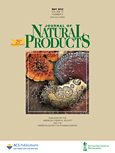
JOURNAL OF NATURAL PRODUCTS
Advancing Discoveries in Natural Product ResearchJOURNAL OF NATURAL PRODUCTS, published by the American Chemical Society, is a premier academic journal that focuses on the study and application of natural products in various scientific domains. With an esteemed ISSN of 0163-3864 and an E-ISSN of 1520-6025, this journal caters to a wide range of fields, including Analytical Chemistry, Complementary and Alternative Medicine, Drug Discovery, Molecular Medicine, Organic Chemistry, Pharmaceutical Science, and Pharmacology. The journal consistently ranks in the Q1 and Q2 quartiles across these categories, reflecting its significant contribution and rigorous standards in the scientific community. Notably, its Scopus rankings highlight its influence, with notable percentiles across various fields, including a 93rd percentile in Complementary and Alternative Medicine. The JOURNAL OF NATURAL PRODUCTS aims to advance knowledge in the field by publishing groundbreaking research articles, reviews, and critical insights, making it an essential resource for researchers, professionals, and students dedicated to exploring the vast potential of natural substances. This journal addresses complex challenges and fosters innovative developments, further establishing its place as a cornerstone in natural products research. Access to published articles may vary, underscoring the need for individuals in this field to stay connected with the latest advances through the journal's offerings.
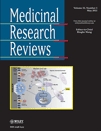
MEDICINAL RESEARCH REVIEWS
Advancing the Frontiers of Therapeutic InnovationMEDICINAL RESEARCH REVIEWS, published by Wiley, is a leading journal in the fields of Drug Discovery, Molecular Medicine, and Pharmacology. With an impressive impact factor and esteemed standing in its category quartiles (Q1 in all three fields), this journal serves as a vital platform for the dissemination of cutting-edge research and reviews that drive innovation in therapeutic development and molecular health sciences. Since its inception in 1981, MEDICINAL RESEARCH REVIEWS has garnered a robust readership within the scientific community, underscored by its high rankings in Scopus – where it ranks #3 in Pharmacology and #2 in Drug Discovery, placing it within the top echelons of academic influence. Researchers, professionals, and students alike benefit from its rich content and comprehensive approaches to tackling complex medicinal challenges, making it an essential resource for those invested in advancing the frontiers of biomedical research.

International Journal of Pharmaceutical Investigation
Empowering Researchers with Insightful Pharmaceutical KnowledgeInternational Journal of Pharmaceutical Investigation, published by INPHARM ASSOC, PHCOG NET, is a premier platform dedicated to advancing the field of pharmaceutical sciences. With the ISSN 2230-973X and E-ISSN 2230-9713, this journal serves as a vital resource for researchers, professionals, and students focused on drug development, formulation, and efficacy. By fostering a rich discourse on innovative pharmaceutical practices and research breakthroughs, the journal plays a critical role in enhancing global health outcomes through groundbreaking scholarly work. The absence of open access allows for selective dissemination of high-quality content, promoting rigorous peer-review processes that uphold academic integrity. Featuring articles that span a diverse range of topics within pharmaceutical sciences, the International Journal of Pharmaceutical Investigation is committed to supporting the ongoing evolution of this dynamic field, making it an essential read for anyone engaged in pharmaceutical research and development.
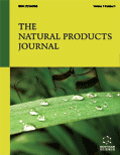
Natural Products Journal
Harnessing Nature's Power for Drug Discovery and WellnessNatural Products Journal, a leading publication by Bentham Science Publishers, primarily focuses on the rapidly evolving field of Natural Products and their applications in Complementary and Alternative Medicine as well as Drug Discovery. With an ISSN of 2210-3155 and an E-ISSN of 2210-3163, this journal serves as an essential platform for researchers, professionals, and students dedicated to exploring the critical role of natural compounds in health and medicine. Since its inception in 2011, it has consolidated its reputation, achieving a Q3 ranking in Complementary and Alternative Medicine and a Q4 ranking in Drug Discovery as of 2023, illustrating its growing influence within the academic community. Although it currently does not operate as an Open Access journal, it remains a vital resource for cutting-edge research and developments in natural products, offering insightful contributions that pave the way for innovative therapeutic strategies. Located in the Netherlands, the journal is pivotal for those looking to stay at the forefront of research in natural substances and their multifaceted applications.
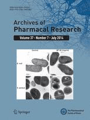
ARCHIVES OF PHARMACAL RESEARCH
Showcasing impactful discoveries in organic chemistry and beyond.Archives of Pharmacal Research, published by the Pharmaceutical Society of Korea, is a leading journal in the fields of drug discovery, molecular medicine, and organic chemistry. With an illustrious history spanning from 1978 to 2024, this peer-reviewed journal has earned a remarkable reputation, achieving a Q1 category ranking in each of its primary research areas as of 2023. Ranked #9 in Organic Chemistry and #12 in Drug Discovery among their respective fields, Archives of Pharmacal Research showcases cutting-edge research that contributes significantly to scientific advancements. Although it is not an open-access journal, its impactful publications are crucial resources for researchers, professionals, and students navigating the complexities of pharmacological sciences. The journal's continued commitment to disseminating high-quality research underlines its importance in fostering innovation and expanding knowledge within the pharmaceutical landscape.
Chinese Herbal Medicines
Innovating Research in Complementary MedicineChinese Herbal Medicines, published by Elsevier Singapore Pte Ltd, is a distinguished journal dedicated to the exploration and advancement of research in the fields of Complementary and Alternative Medicine and Pharmacology. Since its transition to Open Access in 2020, the journal has significantly broadened its reach, facilitating the dissemination of valuable knowledge to researchers, practitioners, and academics worldwide. With an impressive Q1 ranking in Complementary and Alternative Medicine and a notable Q2 ranking in both Pharmacology categories for 2023, it is recognized for its impactful contributions to the understanding of herbal treatments and their therapeutic applications. Situated in The Netherlands and numerically indexed under ISSN: 1674-6384, the journal aims to provide a platform for innovative studies, analytical reviews, and clinical research that explore the efficacy, safety, and socio-economic factors associated with herbal medicines. The HIndex reflects its growing influence in the scientific community, while Scopus rankings position the journal favorably within its respective fields, making it a vital resource for any serious scholar engaged in herbal medicine studies.