Journal of Obesity
Scope & Guideline
Exploring the complexities of obesity and its impacts.
Introduction
Aims and Scopes
- Metabolic and Physiological Research:
The journal emphasizes research on the metabolic and physiological aspects of obesity, including the roles of hormones, genetic factors, and metabolic syndromes. - Clinical Interventions and Treatments:
It covers clinical studies related to obesity treatments, including pharmacological interventions, dietary approaches, and surgical procedures. - Epidemiological Studies and Public Health:
Research on the prevalence, risk factors, and impact of obesity on public health is a core focus, particularly in diverse populations across different geographical regions. - Psychosocial Factors and Behavioral Studies:
The journal explores the psychological and social factors influencing obesity, including eating behaviors, body image, and mental health. - Innovative Research Methodologies:
Utilizing advanced methodologies such as systematic reviews, meta-analyses, and clinical trials, the journal promotes rigorous scientific approaches to understanding obesity.
Trending and Emerging
- Metabolic Syndrome and Cardiovascular Risk:
Increasing attention is being given to the relationship between obesity, metabolic syndrome, and cardiovascular risks, highlighting the need for integrated approaches in obesity management. - Genetic and Molecular Insights:
Research is increasingly focusing on genetic predispositions and molecular mechanisms underlying obesity, including studies on mitochondrial DNA and specific gene variants. - Impact of Socioeconomic Factors:
There is a growing interest in how socioeconomic and environmental factors influence obesity rates, particularly in different cultural contexts and during crises like the COVID-19 pandemic. - Psychological and Behavioral Aspects:
Emerging themes include the psychological dimensions of obesity, such as emotional eating and the impact of stress on weight management, indicating a holistic view of obesity. - Innovative Treatment Modalities:
Recent trends show an increase in studies exploring novel treatment options, including pharmacological advancements and dietary supplements, pointing to a proactive approach in obesity management.
Declining or Waning
- Traditional Dietary Approaches:
There has been a noticeable reduction in studies focused exclusively on traditional dietary interventions without incorporating emerging dietary trends like ketogenic or low-carb diets. - Solely Descriptive Epidemiological Studies:
The journal seems to be moving away from purely descriptive epidemiological studies, favoring research that includes more complex analyses and interventions. - Simple Weight Loss Interventions:
Research focused on basic weight loss strategies without considering metabolic health or psychological factors appears to be less common, indicating a shift towards more comprehensive approaches.
Similar Journals

Obesity
Connecting Research, Policy, and Practice in ObesityObesity is a premier academic journal published by WILEY, dedicated to advancing knowledge in the fields of endocrinology, nutrition, and metabolism. With an impressive impact factor and ranking in the top quartile across multiple categories, including Q1 in Endocrinology, Diabetes and Metabolism, and Nutrition and Dietetics, this journal serves as a critical resource for researchers, clinicians, and policymakers. The journal facilitates the dissemination of innovative research findings spanning the biological, behavioral, and societal factors associated with obesity, offering Open Access options to ensure broad visibility and accessibility to its content. With converged years from 2006 to 2024, Obesity provides an invaluable platform for cutting-edge studies that contribute to the global understanding of obesity and its multifaceted implications for health and wellness. Located in Hoboken, New Jersey, this esteemed journal plays a pivotal role in shaping the dialogue around obesity, making it an essential read for anyone invested in tackling this pressing public health challenge.

Current Obesity Reports
Driving research to combat the obesity epidemic.Current Obesity Reports, an esteemed journal published by SPRINGER, serves as a pivotal platform for scholars and practitioners in the field of obesity research. With its ISSN of 2162-4968, this journal has been recognized within the competitive landscape of Medicine & Internal Medicine, achieving a commendable Scopus rank of #11 out of 167, placing it in the top 93rd percentile. Launched in 2012 and covering critical developments in obesity up to 2024, this journal synthesizes innovative research, evidence-based practices, and comprehensive reviews that cater to a diverse audience, from researchers to public health professionals. While currently not offering open access options, it remains dedicated to advancing knowledge and fostering discussions that address the multifaceted issues related to obesity, its public health implications, and treatment methodologies. For those involved in tackling obesity challenges, Current Obesity Reports stands as a vital resource, contributing significantly to the discourse and scholarship in the field.
HORMONE AND METABOLIC RESEARCH
Exploring the Interplay of Hormones and MetabolismHORMONE AND METABOLIC RESEARCH, published by GEORG THIEME VERLAG KG, stands as a reputable platform in the fields of biochemistry, endocrinology, and metabolism since its establishment in 1969. This peer-reviewed journal provides critical insights and advancements in the intricate relationships between hormones and metabolic processes, catering to researchers, healthcare professionals, and students alike. With an impressive convergence of knowledge spanning over five decades, it maintains a commendable Q3 ranking in multiple categories, including Biochemistry, Clinical Biochemistry, and Endocrinology, highlighting its contribution to cutting-edge scientific discourse. Although not an open-access journal, it offers a plethora of access options for readers and institutions, ensuring that vital research reaches those who need it most. Located in Stuttgart, Germany, the journal is positioned at the forefront of influential research in hormone and metabolic studies, emphasizing its importance for ongoing investigations into health and disease.
Obesity Facts
Exploring innovative solutions for a healthier future.Obesity Facts is a prestigious open access journal dedicated to advancing research and insights in the field of obesity, promoting a multidisciplinary approach to understanding its implications across social sciences and medical physiology. Published by KARGER since 2008, this journal has established itself as a crucial resource for researchers and practitioners, achieving a commendable impact factor reflective of its high-quality contributions. As of 2023, it holds a Q1 ranking in Health (social science) and a Q2 ranking in Physiology (medical), further underscoring its significance and influence in the academic community, with notable Scopus rankings of #37 in Health and #29 in Medicine. With an open access model since 2013, Obesity Facts ensures that groundbreaking research is readily available to the global scientific community and contributes to public health discourse, engaging a diverse audience of researchers, health professionals, and students keen on understanding obesity's complex phenomena.
DIABETES OBESITY & METABOLISM
Delivering cutting-edge research for a healthier future.DIABETES OBESITY & METABOLISM, published by Wiley, is a premier international journal dedicated to the fields of endocrinology, diabetes, and metabolic disorders. With an impressive impact factor and its status as a Q1 journal in multiple categories—including Endocrinology and Internal Medicine—this publication is highly regarded in the academic community. Since its inception in 1999, the journal has served as a crucial platform for the dissemination of cutting-edge research, reviews, and clinical studies, driving advancements in understanding and treatment of diabetes and obesity. Researchers and professionals alike benefit from its rigorous peer-review process and extensive reach, as it aims to bridge the gap between laboratory findings and clinical applications. Although not an Open Access journal, articles are accessible through institutional subscriptions, ensuring that vital knowledge reaches those committed to enhancing patient care and expanding the scientific body of work in these pivotal areas.
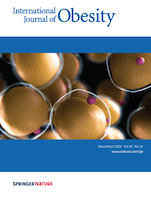
INTERNATIONAL JOURNAL OF OBESITY
Exploring Multidisciplinary Solutions for Global HealthINTERNATIONAL JOURNAL OF OBESITY, published by SpringerNature, stands as a premier multidisciplinary platform for research in the fields of Endocrinology, Diabetes and Metabolism, Nutrition and Dietetics, as well as Miscellaneous Medicine. With a remarkable impact, the journal is consistently positioned in the Q1 category across these critical areas, underscoring its significance in advancing the understanding of obesity and its related health outcomes. Established in 1977 and covering a broad spectrum of studies until 2024, it boasts a notable Scopus Rank reflecting its influential contributions to the scientific community, including a rank of 14 out of 140 in Nutrition and Dietetics. The INTERNATIONAL JOURNAL OF OBESITY is not just a repository of knowledge but a vital resource for researchers, clinicians, and students aiming to explore the complexities of obesity and develop evidence-based interventions. Despite not being an open-access journal, its rigorous peer-reviewed articles remain accessible to those within academic institutions, facilitating an essential dialogue among professionals dedicated to this critical global health issue.
METABOLISM-CLINICAL AND EXPERIMENTAL
Elevating Knowledge in Biochemistry and MetabolismMETABOLISM-CLINICAL AND EXPERIMENTAL is a premier academic journal published by W B SAUNDERS CO-ELSEVIER INC, with a distinguished history dating back to 1952. This journal serves as a vital repository of knowledge in the fields of Endocrinology, Diabetes, and Metabolism, consistently ranking in the top quartile (Q1) within these categories according to the latest metrics. With an impressive impact factor and recognized for its contributions to Biochemistry, Genetics, and Molecular Biology, it ranks #5 out of 128 in the Scopus database for Endocrinology and #11 out of 244 for Medicine related to Endocrinology, Diabetes, and Metabolism, placing it in the 95th and 96th percentiles, respectively. While the journal does not currently offer open access, it maintains rigorous peer review standards and publishes cutting-edge research that drives forward the understanding of metabolic diseases and clinical practices. By engaging with METABOLISM-CLINICAL AND EXPERIMENTAL, researchers, healthcare professionals, and students can explore groundbreaking advancements and pivotal findings that shape the future of metabolic health.
EXPERIMENTAL AND CLINICAL ENDOCRINOLOGY & DIABETES
Pioneering Research for Metabolic HealthEXPERIMENTAL AND CLINICAL ENDOCRINOLOGY & DIABETES is a distinguished journal published by GEORG THIEME VERLAG KG, dedicated to advancing research and understanding in the fields of endocrinology, diabetes, and metabolism. With an ISSN of 0947-7349 and an E-ISSN of 1439-3646, this journal serves as a critical platform for disseminating high-quality research findings, reviews, and clinical studies from 1983 to 2024. The journal holds an impactful position within its respective categories, notably achieving Q3 in Endocrinology and Diabetes and Metabolism, and Q2 in Internal Medicine as per the 2023 category quartiles. Additionally, it ranks in the 57th and 46th percentiles in the Scopus rankings for Internal Medicine and Endocrinology, Diabetes and Metabolism, respectively. Though not an open-access publication, the journal caters to a global audience of researchers, professionals, and students, facilitating knowledge exchange and fostering collaboration within this vital area of medical science.
ENDOCRINE JOURNAL
Fostering collaboration in the realm of diabetes and metabolism.ENDOCRINE JOURNAL, published by the Japan Endocrine Society, is a pivotal resource for researchers and professionals in the field of endocrinology, diabetes, and metabolism. With a long history dating back to 1954, this journal encompasses a comprehensive range of topics including hormonal regulation, pathophysiology of endocrine diseases, and innovative therapeutic approaches. Despite its classification as open access, the journal remains a beacon of knowledge, with impressive rankings—Q2 in Endocrinology, Diabetes and Metabolism and Q3 in Endocrinology for 2023—ensuring it is a respected source in the academic community. It serves as a critical platform for the dissemination of cutting-edge research, encouraging collaboration and facilitating advancements in understanding complex endocrine disorders. By subscribing to this journal, researchers and students gain access to seminal studies, clinical insights, and a wealth of information that drives this vital field forward.

Current Opinion in Endocrinology Diabetes and Obesity
Illuminating Trends in Endocrinology and Diabetes ResearchCurrent Opinion in Endocrinology, Diabetes and Obesity, published by LIPPINCOTT WILLIAMS & WILKINS, offers a critical analysis of the latest advancements and trends in the fields of endocrinology, diabetes, and obesity. With an ISSN of 1752-296X and an E-ISSN of 1752-2978, this esteemed journal provides an authoritative platform for researchers, clinicians, and healthcare professionals to stay updated on emerging research and clinical practices. Renowned for its impactful contributions, the journal holds notable rankings, including Q2 in Endocrinology and Diabetes & Metabolism, as well as a commendable Q1 in Internal Medicine, reflecting its significance in the academic community. Although currently not an open access publication, articles published from 2007 to 2024 continually enrich the discourse on pressing health issues related to endocrinology and metabolic disorders. By fostering a comprehensive understanding of the complexities within these interconnected fields, it serves as an essential resource for any professional or student engaged in health science research.