JOURNAL OF PATHOLOGY
metrics 2024
Shaping the Future of Pathological Research
Introduction
Welcome to the Journal of Pathology, a premier academic publication specializing in the field of pathology and forensic medicine. Established in 1969 and published by Wiley, this journal has garnered significant recognition within the research community, reflected in its impressive ranking of #6 out of 208 in Scopus, placing it in the 97th percentile. The Journal of Pathology serves as a critical platform for disseminating cutting-edge research findings, innovative methodologies, and topical reviews that advance our understanding of diseases and their underlying mechanisms. With no open access charge, this esteemed journal is committed to maintaining the highest standards of scientific rigor and integrity. As a Q1 journal in its category for 2023, it continues to shape the field of pathology and contribute invaluable insights to researchers, medical professionals, and students alike. We invite you to explore the wealth of knowledge encapsulated in each issue and engage with the vibrant discussions that strive to propel the science of pathology forward.
Metrics 2024
 2.435.607.10210
Metrics History
Rank 2024
Scopus
IF (Web Of Science)
JCI (Web Of Science)
Quartile History
Similar Journals
CARDIOVASCULAR PATHOLOGY
Advancing insights in cardiovascular health.CARDIOVASCULAR PATHOLOGY, published by Elsevier Science Inc, is a distinguished journal dedicated to the dissemination of high-quality research in the fields of cardiology, pathology, and cardiovascular medicine. With an ISSN of 1054-8807 and an E-ISSN of 1879-1336, this journal has established itself as a vital resource for researchers, clinicians, and students alike. It is positioned in the Q2 quartile for both cardiology and pathology, indicating its significant impact and relevance in these disciplines. The journal offers a platform for innovative studies, reviews, and clinical insights, aiming to enhance our understanding of cardiovascular conditions and their pathological underpinnings. With an H-index that showcases its scholarly influence, CARDIOVASCULAR PATHOLOGY is committed to advancing the field through rigorous peer review and open dialogue among professionals. The journal is accessible through institutional subscriptions, making it an essential reference point for ongoing research through its convergence of knowledge from 1992 through 2024.

Malaysian Journal of Pathology
Advancing knowledge in pathology and medicine.Malaysian Journal of Pathology, published by the MALAYSIAN JOURNAL PATHOLOGY, stands as a pivotal resource in the fields of pathology and medicine, contributing rich insights since its inception in 1979. This peer-reviewed journal, based in Malaysia, is dedicated to disseminating original research, review articles, and case studies that advance the understanding of disease mechanisms and diagnostics. With a current impact factor reflecting its ranked positioning—Q4 in Cell Biology, Q4 in Histology, and Q3 in both Miscellaneous Medicine and Pathology & Forensic Medicine—this journal serves as an essential platform for researchers, clinicians, and students alike. Although it operates without open access, its scholarly rigor and contributions are well recognized, holding ranks such as #84 in Pathology and Forensic Medicine according to Scopus. The Malaysian Journal of Pathology is committed to fostering innovation and excellence in medical research, making it an invaluable tool for professionals seeking to stay abreast of significant advancements in the pathology domain.
Journal of Pathology and Translational Medicine
Elevating Knowledge in Histology and PathologyThe Journal of Pathology and Translational Medicine, published by the Korean Society of Pathologists, is a distinguished peer-reviewed Open Access journal that has been at the forefront of advancing the field of pathology and histology since its inception in 1985. With an established ISSN of 2383-7837 and an E-ISSN of 2383-7845, the journal serves as a vital platform for disseminating high-quality research, fostering collaboration among professionals and offering valuable insights into both clinical applications and theoretical advancements. Recognized for its influence in the field, it holds a commendable Q2 ranking in both Histology and Pathology & Forensic Medicine categories in 2023, and ranks #52/208 in Scopus for Medicine – Pathology and Forensic Medicine, demonstrating its impact and reach within the academic community. Located in South Korea at 1209 Gwanghwamun Officia, 92 Saemunan-ro, Jongno-gu, Seoul 03186, this journal not only caters to researchers and professionals but also supports students striving to deepen their understanding of pathology. Join the growing body of knowledge and stay updated with the latest findings in this essential field of study through the journal's open access format, promoting worldwide accessibility and engagement.
NEUROPATHOLOGY AND APPLIED NEUROBIOLOGY
Exploring the Intersections of Brain Science and DiseaseNEUROPATHOLOGY AND APPLIED NEUROBIOLOGY is a premier journal dedicated to advancing the understanding of the intricate relationships between pathology and neurobiology. Published by Wiley since 1975, this journal has established itself as a crucial resource for researchers, clinicians, and students interested in the latest insights and developments in the fields of pathology, neurology, and neuroscience. With an impressive history of convergence extending to 2024, it boasts a Q1 ranking in multiple categories including Histology, Neurology, and Pathology, reflecting its high impact and reputation in the academic community. Additionally, it ranks 18th out of 208 in Pathology and Forensic Medicine with a remarkable 91st percentile, signifying its relevance and influence in medical research. While not open access, this journal provides valuable content that contributes significantly to the ongoing discourse in neurobiological advancements and is a vital reference for those engaged in this dynamic field.
JOURNAL OF NEUROPATHOLOGY AND EXPERIMENTAL NEUROLOGY
Exploring the Complexities of the Nervous SystemJOURNAL OF NEUROPATHOLOGY AND EXPERIMENTAL NEUROLOGY, published by Oxford University Press Inc, stands as a pivotal resource for advancing research and knowledge in the domains of neuropathology and experimental neurology. Established in 1942, this esteemed journal has expanded its influence, as evidenced by its Q1 rankings in both Neurology (clinical) and Pathology and Forensic Medicine, along with its strong placement in Cellular and Molecular Neuroscience. With an emphasis on innovative research and clinical practices, it caters to a diverse audience, including researchers and clinicians dedicated to understanding neurological disorders through a multidisciplinary lens. While not open access, this journal provides access to cutting-edge studies that are pivotal in shaping the future of medical science and pathology. Researchers benefit from its rigorous peer-review process, ensuring the publication of high-caliber work that meets the evolving demands of the field.
ENDOCRINE PATHOLOGY
Advancing the Future of Endocrine ResearchENDOCRINE PATHOLOGY is a premier journal published by HUMANA PRESS INC, dedicated to advancing the understanding of endocrine disorders through innovative research and clinical practices. With an impressive impact factor and consistently ranked in the Q1 quartile across multiple categories such as Endocrinology, Diabetes and Metabolism, as well as Pathology and Forensic Medicine, this journal serves as a pivotal resource for researchers and professionals in the field. The journal covers a broad spectrum of topics related to endocrine pathology, providing insights into mechanisms, diagnostics, and therapeutics that inform both clinical and laboratory practices. Although it does not offer open access, its rigorous peer-review process ensures the dissemination of high-quality, impactful research that shapes clinical strategies and enhances patient care. With distribution spanning from its inception in 1990 to 2024, ENDOCRINE PATHOLOGY stands at the forefront of endocrine research, making it an essential read for anyone involved in the study and treatment of endocrine disorders.
Fetal and Pediatric Pathology
Empowering clinicians with cutting-edge research insights.Fetal and Pediatric Pathology, an esteemed journal published by TAYLOR & FRANCIS INC, is dedicated to advancing the field of pediatric and fetal medicine through the dissemination of high-quality research and clinical insights. With an ISSN of 1551-3815 and an E-ISSN of 1551-3823, the journal has been a key resource for researchers and practitioners since its inception in 1983. Based in the United Kingdom, it covers a broad spectrum of topics relevant to Medicine, Pathology and Forensic Medicine, and Pediatrics, Perinatology, and Child Health, consistently reflecting on contemporary challenges faced in these fields. The journal has attained a commendable Q3 ranking within its categories as of 2023, underlining its relevance in the academic community. Though not an open-access publication, the research presented in Fetal and Pediatric Pathology plays a pivotal role in informing practice, guiding future studies, and enhancing the understanding of diseases affecting fetuses and children. Its convergence of research throughout multiple years, continuing until 2024, marks it as a crucial platform for ongoing scientific dialogue and innovation, aimed at fostering better health outcomes for younger populations.
ANNALES DE PATHOLOGIE
Transforming Understanding in Pathology and Forensic MedicineANNALES DE PATHOLOGIE, published by MASSON EDITEUR, stands as a pivotal resource in the field of pathology and forensic medicine, delivering critical insights since its inception in 1981. With an emphasis on advancing understanding and research applications within these domains, the journal is positioned to cater to a diverse audience of researchers, healthcare professionals, and students alike. While currently classified in the Q4 category within the pathway of Pathology and Forensic Medicine, it remains committed to fostering scholarly contributions and innovative research that contribute to the field's growth. Although it does not offer Open Access options, its print and electronic ISSNs (0242-6498 and 2213-008X) ensure availability for readership across global institutions. The Scopus ranking highlights its niche relevance, with a current rank of #189 out of 208 in its category, indicating a promising trajectory for future research endeavors. Published in France, ANNALES DE PATHOLOGIE invites contributions that engage the academic community and advance knowledge in pathology's most pressing matters.
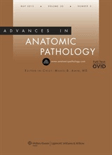
ADVANCES IN ANATOMIC PATHOLOGY
Exploring the Depths of Pathological Science.ADVANCES IN ANATOMIC PATHOLOGY is a leading peer-reviewed journal dedicated to the field of anatomical pathology, published by LIPPINCOTT WILLIAMS & WILKINS. With an impressive impact factor and consistent ranking in the Q1 category for both Anatomy and Pathology and Forensic Medicine, it serves as an essential resource for researchers, clinicians, and students alike. The journal has been a critical platform for disseminating significant findings and advancements in the discipline since its inception in 1996, boasting Scopus rankings of #1 in Anatomy and #11 in Pathology. While it does not provide open access, it maintains rigorous standards in the selection of articles, ensuring that published research reflects the latest developments and techniques in the field. As we look toward 2024 and beyond, ADVANCES IN ANATOMIC PATHOLOGY remains committed to advancing the science of pathology, fostering innovation, and enhancing clinical practice through impactful research.

Turkish Journal of Pathology
Connecting Researchers and Practitioners in PathologyTurkish Journal of Pathology, published by the Federation Turkish Pathology Society, stands as a vital platform for disseminating high-quality research in the field of pathology and forensic medicine. With an ISSN of 1018-5615 and an E-ISSN of 1309-5730, this journal has been an open-access publication since 2013, ensuring that cutting-edge findings are readily available to the global community. Based in Turkey, it aims to contribute significantly to the advancement of pathology as it converges from 2010 to 2024, currently holding a Q3 quartile ranking in its category according to 2023 metrics. As it ranks #129 out of 208 in the Scopus database for Medicine, Pathology, and Forensic Medicine, it offers researchers, professionals, and students invaluable insights and innovative studies that address critical developments in the field. The Turkish Journal of Pathology fosters collaboration and knowledge-sharing, making it an essential resource for anyone involved in pathology research and practice.