
Journal of Pediatric Hematology-Oncology Nursing
Scope & Guideline
Fostering collaboration for better outcomes in pediatric nursing.
Introduction
Aims and Scopes
- Pediatric Hematology and Oncology Nursing Practices:
The journal focuses on nursing practices specific to pediatric hematology and oncology, emphasizing innovative care strategies to improve patient outcomes. - Psychosocial Support for Patients and Families:
Research on the psychosocial aspects of care, including mental health, family dynamics, and support systems for children with cancer and their families. - Quality Improvement and Evidence-Based Research:
A commitment to quality improvement initiatives and the dissemination of evidence-based research that enhances clinical practice in pediatric oncology nursing. - Multidisciplinary Approaches to Care:
Investigating the role of multidisciplinary teams in providing comprehensive care that addresses the medical, emotional, and developmental needs of pediatric patients. - Education and Professional Development:
The journal promotes educational initiatives for pediatric oncology nurses, providing resources and research to support ongoing professional development.
Trending and Emerging
- Integration of Technology in Care:
Emerging themes include the use of digital tools and telehealth in pediatric oncology nursing, reflecting the necessity for innovative solutions in patient assessment and care delivery. - Fertility Preservation and Adolescent Care:
Research focusing on fertility preservation for pediatric patients has gained momentum, highlighting the importance of addressing long-term quality of life issues for young cancer survivors. - Complementary and Integrative Medicine:
There is an increasing interest in complementary and alternative therapies, such as music therapy and mindfulness practices, which support the psychological and emotional well-being of children undergoing treatment. - Family-Centered Care Models:
A growing emphasis on family-centered care approaches signifies a shift towards recognizing the role of family dynamics and support systems in the treatment and recovery processes of pediatric patients. - Survivorship and Transition of Care:
Research on survivorship programs and the transition from treatment to survivorship care is increasingly prominent, addressing the long-term needs and challenges faced by childhood cancer survivors.
Declining or Waning
- Traditional Pharmacological Approaches:
There has been a noticeable decrease in research centered solely on traditional pharmacological treatments, as the focus shifts towards integrative and supportive care strategies that consider holistic patient needs. - Basic Clinical Trials:
The journal has seen a decline in the publication of basic clinical trials, which may be attributed to a growing emphasis on qualitative research and patient-centered outcomes. - Single-Factor Studies:
Research concentrating on single-factor analyses, such as the effects of one specific intervention, has become less common as the field moves towards more complex, multifaceted studies that reflect the realities of clinical practice.
Similar Journals
Asia-Pacific Journal of Oncology Nursing
Elevating Standards in Oncology Nursing Across the Asia-PacificAsia-Pacific Journal of Oncology Nursing, published by Elsevier Science Inc, serves as a vital resource for researchers, practitioners, and students involved in the fields of oncology and nursing within the Asia-Pacific region. Since its transition to Open Access in 2014, the journal has aimed to disseminate cutting-edge research and innovative practices that enhance the quality of nursing care in oncology. With its ISSN 2347-5625 and E-ISSN 2349-6673, this journal holds a Q3 rank in both Oncology and Nursing (Oncology Nursing) as of 2023, reflecting its commitment to addressing current challenges and advancements in the discipline. With a Scopus ranking of 252/404 in Medicine (Oncology) and 13/20 in Nursing (Oncology Nursing), it occupies a crucial position in the academic landscape, nurturing knowledge that directly impacts patient care in oncology settings. Located at STE 800, 230 Park Ave, New York, NY 10169, the journal encourages contributions that explore multifaceted aspects of oncology nursing from 2018 to 2024, making it an important platform for emerging voices and established experts alike.
APPLIED NURSING RESEARCH
Empowering Nurses with Evidence-Based DiscoveriesApplied Nursing Research is a premier journal dedicated to the dissemination of high-quality research within the nursing field, published by W B Saunders Co-Elsevier Inc. With an impact factor that places it in the Q1 category for Nursing (miscellaneous), this journal ranks 23rd out of 139 in its Scopus category, firmly establishing itself in the top percentile (83rd). Since its inception in 1988, Applied Nursing Research has provided a vital platform for sharing innovative findings that impact clinical practice and healthcare delivery. The journal serves as an essential resource for researchers, professionals, and students aiming to enhance their knowledge and application of nursing practices. While it does not offer open access, it remains a crucial publication for those seeking to explore contemporary nursing topics and research trends through a rigorous academic lens.
Rehabilitation Nursing
Advancing rehabilitation practices for better patient outcomes.Rehabilitation Nursing, published by Lippincott Williams & Wilkins, is an esteemed journal dedicated to advancing the fields of rehabilitation, nursing, and physical therapy. With an ISSN of 0278-4807 and an E-ISSN of 2048-7940, this journal has been a crucial resource for practitioners and researchers since its inception in 1975, continuously providing insights through its convergence of scholarship up to 2024. As a member of the Q3 category in multiple disciplines, including Medicine (Miscellaneous), Nursing (Miscellaneous), and Physical Therapy, the journal affirms its relevance within the academic community, particularly highlighted by its Scopus rankings. With a focus on disseminating innovative research, clinical findings, and evidence-based practices, Rehabilitation Nursing aims to enhance patient care and foster improvements in rehabilitation strategies. Whether one seeks to stay abreast of the latest developments or contribute new insights, this journal is a must-read for those involved in the fields of rehabilitation and nursing.
Journal of Infusion Nursing
Inspiring a new era of patient-centered infusion care.Journal of Infusion Nursing, published by Lippincott Williams & Wilkins, stands as a vital resource within the fields of nursing and healthcare. With a strong focus on infusion practices and patient care, this journal is committed to disseminating high-quality research and evidence-based practices that enhance nursing protocols and improve patient outcomes. As a quarterly publication, it is indexed in Scopus, ranking 32nd out of 139 in the general nursing category, with a commendable 77th percentile, highlighting its influence and relevance in the nursing community. Operating without open access, the journal is dedicated to covering a spectrum of topics from emerging techniques in infusion therapy to comprehensive reviews that inform clinical practice, making it an essential read for researchers, practitioners, and students alike. The Journal of Infusion Nursing not only facilitates knowledge sharing but also plays a crucial role in advancing the standards of nursing care in the United States and beyond.
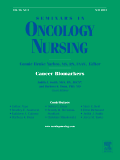
Seminars in Oncology Nursing
Championing the Future of Oncology Nursing Through ResearchSeminars in Oncology Nursing, published by Elsevier Science Inc, serves as a cornerstone for the field of oncology nursing, facilitating the dissemination of high-quality research and clinical practice insights since 1985. This quarterly journal, with significant impact as reflected in its Q2 ranking in the Nursing category for Oncology, provides an essential platform for the authors to share their findings, experiences, and innovations that can enhance patient care in oncology settings. With its ISSN 0749-2081 and E-ISSN 1878-3449, the journal offers a comprehensive access to a wealth of articles that emphasize evidence-based practices, care models, and the evolving challenges faced by oncology nurses. Targeted towards researchers, clinicians, and students, Seminars in Oncology Nursing not only contributes to academic discourse but also supports the professional development of its readership, ultimately advancing the field of oncology nursing.
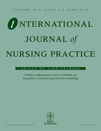
International Journal of Nursing Practice
Empowering healthcare with evidence-based nursing practices.International Journal of Nursing Practice, published by WILEY, is a premier academic journal dedicated to the field of nursing, with a keen emphasis on innovative nursing practices and advancements in healthcare. Established in 1995, the journal has successfully bridged a vital gap in nursing research and practice, featuring rigorous peer-reviewed articles that cater to both academic and clinical audiences. Rated as a Q1 journal in Nursing (miscellaneous) for 2023, it ranks at an impressive #29 out of 139 in General Nursing on Scopus, placing it firmly within the top 21% of its category. The journal serves as an essential resource for nursing professionals, researchers, and students alike, fostering evidence-based practices and enriching the global discourse in nursing. With an increasing focus on interdisciplinary work, the International Journal of Nursing Practice aims to enhance the quality of care provided to patients and support the continuous education of healthcare providers. Stay updated with cutting-edge research and share your contributions to this dynamic field!
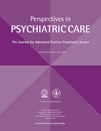
PERSPECTIVES IN PSYCHIATRIC CARE
Illuminating Contemporary Issues in Mental HealthPERSPECTIVES IN PSYCHIATRIC CARE, published by WILEY, is an esteemed journal that serves as a pivotal resource for researchers, professionals, and students in the realms of psychiatry and mental health. With a history dating back to 1963 and ongoing contributions through 2024, this journal showcases a rich convergence of innovative research and clinical practice. The journal is recognized in prestigious databases with a Scopus rank placing it at #10 out of 45 in the field of Nursing - Psychiatric Mental Health, highlighting its significant influence and relevance. As a Q2 ranked journal in both the Medicine (miscellaneous) and Psychiatry and Mental Health categories, it offers a platform for interdisciplinary collaboration and exploration of contemporary issues in mental health care. Although it does not offer open access, PERSPECTIVES IN PSYCHIATRIC CARE provides a comprehensive collection of scholarly articles that advance the field and support best practices in psychiatric care, making it an essential publication for anyone committed to enhancing mental health outcomes.
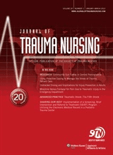
Journal of Trauma Nursing
Enhancing Patient Outcomes with Evidence-Based PracticesJournal of Trauma Nursing, published by LIPPINCOTT WILLIAMS & WILKINS, is a pivotal resource in the fields of trauma, critical care, and emergency nursing. With an ISSN of 1078-7496 and an E-ISSN of 1932-3883, this journal has been at the forefront of disseminating cutting-edge research and innovative practices since its inception in 1995, continuing through 2024. Positioned within the Q3 quartile of the Advanced and Specialized Nursing, Critical Care Nursing, and Emergency Nursing categories, it provides valuable insights into trauma care that enhance clinical practice and patient outcomes. The journal is recognized for its commitment to advancing knowledge and improving the quality of nursing care, making it an essential publication for researchers, practitioners, and students who are dedicated to the fields of trauma and emergency nursing. While currently not available as Open Access, it remains a reputable source of peer-reviewed content aimed at fostering a comprehensive understanding of trauma nursing. Located in the United States at TWO COMMERCE SQ, 2001 MARKET ST, PHILADELPHIA, PA 19103, the Journal of Trauma Nursing continues to impact the profession significantly.

Revista Rol de Enfermeria
Advancing the Frontiers of Nursing and HealthcareRevista Rol de Enfermeria, published by EDICIONES ROL S L, is a distinguished peer-reviewed journal that has been a cornerstone of nursing knowledge and practice since its inception in 1980. With a specific focus on the field of nursing and healthcare, this journal serves as a vital platform for researchers, clinicians, and educators to disseminate their findings, enhance professional practices, and support the development of evidence-based nursing care. Although its coverage in Scopus has been discontinued as of 2016, the journal has maintained an essential role in the nursing community, contributing to the advancement of general medicine as evidenced by its ranking in Scopus at #679 out of 862, placing it within the 21st percentile. While Revista Rol de Enfermeria does not currently offer an open access model, its historical significance and thematic relevance make it a valuable resource for professionals seeking to stay informed about the latest developments in nursing research and education. Situated in Barcelona, Spain, it continues to reflect the dynamic evolution of nursing practice across diverse healthcare landscapes.
Journal of Pediatric Oncology Nursing
Connecting knowledge and practice for better pediatric oncology care.The Journal of Pediatric Oncology Nursing, published by SAGE Publications Inc, serves as an essential resource for healthcare professionals and researchers dedicated to the field of pediatric nursing, particularly within oncology. With its ISSN of 1043-4542 and E-ISSN of 1532-8457, this journal has established itself as a key platform for disseminating high-quality research, innovative practices, and case studies that address the unique challenges faced in caring for children with cancer. Despite its coverage in Scopus being discontinued in 2021, the journal previously ranked 4th in the Nursing _ Pediatrics category, illustrating its impact with an 85th percentile rating, and it holds a 10th place rank in Nursing _ Oncology, demonstrating its ongoing relevance in the field. The journal's commitment to open access ensures that vital research findings are available to a global audience, assisting in the improvement of nursing practices and patient care. Engaging both seasoned professionals and aspiring researchers, the Journal of Pediatric Oncology Nursing continues to be a cornerstone for advancing knowledge and enhancing the quality of care for pediatric oncology patients.