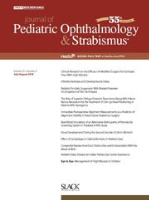
JOURNAL OF PEDIATRIC OPHTHALMOLOGY & STRABISMUS
Scope & Guideline
Enhancing vision for the next generation.
Introduction
Aims and Scopes
- Pediatric Eye Disorders:
The journal covers a broad spectrum of pediatric eye conditions, including retinopathy of prematurity, strabismus, amblyopia, and congenital cataracts, providing insights into their diagnosis, treatment, and management. - Surgical Techniques and Innovations:
Research on novel surgical methodologies and techniques, particularly in strabismus surgery and cataract management, is a consistent focus, highlighting advancements that improve patient outcomes. - Clinical Epidemiology and Public Health:
The journal emphasizes studies that evaluate the epidemiological trends and public health implications of pediatric eye disorders, including access to care and outcomes in diverse populations. - Emerging Technologies in Ophthalmology:
Innovations such as telemedicine, virtual reality applications, and artificial intelligence in pediatric ophthalmology are explored, reflecting the journal's commitment to integrating technology into clinical practice. - Quality of Care and Patient Experience:
Research assessing the quality of care in pediatric ophthalmology, including patient satisfaction and healthcare disparities, is a key area of interest, aiming to enhance the overall experience for patients and families.
Trending and Emerging
- Telemedicine and Digital Health:
The incorporation of telemedicine and digital health tools has surged, particularly in response to the COVID-19 pandemic, highlighting the importance of remote consultations and virtual care in pediatric ophthalmology. - Artificial Intelligence Applications:
Research on the use of artificial intelligence for diagnostics and treatment planning in pediatric eye conditions is gaining momentum, showcasing the potential for improved accuracy and efficiency in clinical practice. - Healthcare Disparities and Access to Care:
Increasing attention is being paid to disparities in access to pediatric eye care, with studies exploring socioeconomic factors and strategies to improve care for underrepresented populations. - Innovative Treatment Modalities:
Emerging therapies, such as dichoptic therapy for amblyopia and novel pharmacological treatments for conditions like retinopathy of prematurity, are trending, reflecting ongoing innovation in treatment approaches. - Patient-Centered Outcomes and Quality Improvement:
There is a growing focus on patient-reported outcomes and quality improvement initiatives in pediatric ophthalmology, emphasizing the need to understand and enhance the patient experience.
Declining or Waning
- Traditional Surgical Techniques:
There appears to be a waning interest in traditional surgical techniques without technological integration, as newer methods involving minimally invasive approaches and enhanced imaging gain traction. - Single-Center Studies:
The prevalence of single-center studies has declined, possibly as researchers increasingly favor multicenter collaborations that provide broader and more generalizable data. - Basic Science Research:
There is a reduction in papers focusing purely on basic science aspects of pediatric ophthalmology, with a stronger emphasis now on clinical applications and outcomes. - Descriptive Epidemiological Studies:
While epidemiological studies remain important, there is less emphasis on purely descriptive studies without intervention analysis or outcome measures, reflecting a shift toward more actionable research. - Generalized Amblyopia Treatment:
Research focusing on generalized treatment strategies for amblyopia without individualized approaches has decreased, as more personalized and targeted therapies are being prioritized.
Similar Journals
CANADIAN JOURNAL OF OPHTHALMOLOGY-JOURNAL CANADIEN D OPHTALMOLOGIE
Connecting research and practice for better eye health.Canadian Journal of Ophthalmology - Journal Canadien d'Ophtalmologie, published by the prestigious Canadian Ophthalmological Society, serves as a leading platform for disseminating cutting-edge research in the field of ophthalmology. With an ISSN of 0008-4182 and E-ISSN 1715-3360, the journal boasts a commendable impact factor and maintains a strong presence within the medicine and ophthalmology categories, ranking in the Q2 quartile. This journal not only provides significant insights into clinical practices and advancements but also contributes to the understanding of ocular health issues facing contemporary society. Since its inception in 1966, it has published high-quality research, making substantial strides in both practical and theoretical aspects of ophthalmology until 2024. Although it is not an open-access journal, it establishes a vital resource for researchers, professionals, and students alike, fostering an informed community dedicated to improving vision care.
Saudi Journal of Ophthalmology
Enhancing Outcomes: Dedicated to the Science of Eye CareSaudi Journal of Ophthalmology, published by Wolters Kluwer Medknow Publications, stands as a crucial platform for the dissemination of innovative research and clinical practices in the field of ophthalmology. Since its inception in 2009, this journal has effectively contributed to the growing body of knowledge with a focus on addressing the diverse visual health challenges faced globally. With an ISSN of 1319-4534 and a E-ISSN of 2542-6680, the journal is indexed in Scopus, where it ranks in the Q3 category of ophthalmology, reflecting its commitment to quality research despite the competitive landscape. Situated in India, it provides a unique regional perspective while facilitating global discourse among researchers, practitioners, and students in ophthalmological sciences. Although it currently does not operate as an open-access journal, the Saudi Journal of Ophthalmology is essential for those aiming to expand their understanding of advancements in eye care, making it a valuable resource for professionals dedicated to enhancing patient outcomes through informed research and clinical practice.

European Journal of Pediatric Surgery Reports
Championing breakthroughs in pediatric surgical practices.European Journal of Pediatric Surgery Reports is a dynamic publication dedicated to the advancement of pediatric surgical practices and research. Published by GEORG THIEME VERLAG KG, this journal serves as an essential resource for clinicians, researchers, and students in the field of pediatric surgery. Since its inception as an Open Access journal in 2013, it has provided unrestricted access to high-quality research articles, case reports, and reviews, facilitating the rapid dissemination of vital information within the medical community. By illuminating key advancements and innovations in pediatric surgical techniques, the journal plays a crucial role in enhancing patient care and outcomes. By fostering collaboration and knowledge exchange among professionals worldwide, European Journal of Pediatric Surgery Reports aspires to establish a scholarly platform that addresses the challenges and developments unique to pediatric surgical medicine. Situated in Stuttgart, Germany, it upholds stringent editorial standards, ensuring that only the most relevant and impactful studies are featured.
International Journal of Ophthalmology
Pioneering Discoveries in Eye Care and TreatmentThe International Journal of Ophthalmology, with ISSN 2222-3959 and E-ISSN 2227-4898, is a premier open-access publication dedicated to advancing the field of ophthalmology. Published by IJO PRESS in China, this journal has been a valuable resource since its inception in 2005, providing a platform for groundbreaking research and clinical studies in ophthalmic science. With an impressive Q2 ranking in the 2023 Ophthalmology category and a Scopus rank of #65 out of 137, the journal consistently showcases high-quality articles that contribute significantly to the understanding and treatment of eye diseases. Since adopting an open-access model in 2010, it has expanded its reach, allowing researchers, professionals, and students worldwide to access vital knowledge in the field. The journal aims to bridge the gap between laboratory research and clinical practice, making it an essential resource for those committed to improving visual health and advancing ophthalmologic education and innovation.
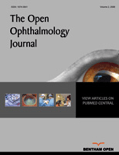
Open Ophthalmology Journal
Innovating vision science for a brighter tomorrow.The Open Ophthalmology Journal, published by Bentham Science Publishers Ltd, is a vital resource in the field of ophthalmology, dedicated to advancing knowledge through open-access research. With an ISSN of 1874-3641, it offers a platform for the dissemination of innovative studies from 2011 to 2024, focusing on the latest developments in eye care and vision science. Despite being categorized in the lower quartile (Q4) according to the 2023 rankings, and holding a position in the Scopus Ricks at 113 out of 137 in the ophthalmology domain, the journal serves as a valuable outlet for emerging scholars and seasoned researchers alike to share their findings. The journal's commitment to accessibility ensures that its content is available to a broad audience, promoting collaboration and knowledge exchange. Located in the Netherlands, The Open Ophthalmology Journal aspires to become a cornerstone for those passionate about understanding and improving ocular health through rigorous scientific inquiry.
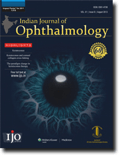
INDIAN JOURNAL OF OPHTHALMOLOGY
Exploring New Horizons in Eye Care and ResearchThe Indian Journal of Ophthalmology is a prestigious, peer-reviewed publication dedicated to advancing the field of ophthalmology. Published by Wolters Kluwer Medknow Publications, this journal plays a vital role in disseminating high-quality research and clinical insights since its inception in 1946. With an impact factor placing it in the Q2 category in Ophthalmology for 2023, it ranks #42 out of 137 in Scopus, reflecting its influence and reliability in the medical community. As an Open Access journal since 2005, it ensures that impactful research is accessible to a global audience, fostering innovation and knowledge sharing among researchers, healthcare professionals, and students alike. The journal's commitment to publishing cutting-edge studies, comprehensive reviews, and clinical guidelines makes it an essential resource for those navigating the rapidly evolving landscape of eye care and ophthalmology.
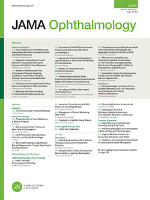
JAMA Ophthalmology
Elevating Standards in Eye Care ScienceJAMA Ophthalmology, the premier journal in the field of ophthalmology, is published by the esteemed American Medical Association. Renowned for its rigorous peer-review process and commitment to advancing eye health research, JAMA Ophthalmology holds a prestigious position in the scientific community, boasting an impressive impact factor and ranking as Q1 in the category of Ophthalmology. With a Scopus rank of #3 out of 137 in its field and a remarkable 98th percentile, the journal serves as an invaluable resource for researchers, healthcare professionals, and students dedicated to the ophthalmic sciences. Readers can explore a wealth of cutting-edge findings, clinical studies, and review articles that not only contribute to the sustainable advancement of ophthalmic knowledge but also foster innovative approaches in patient care. As we converge into 2024, the journal continues to embrace open access principles, ensuring that groundbreaking research is readily available to a global audience, enhancing collaborative efforts and furthering the development of the ophthalmology discipline.

Clinical Ophthalmology
Exploring the frontiers of clinical ophthalmology.Clinical Ophthalmology is a leading Open Access journal published by Dove Medical Press Ltd, dedicated to advancing the field of ophthalmology through peer-reviewed research and clinical studies. With a strong impact factor and ranked in the Q1 category of ophthalmology as of 2023, this journal is recognized for its significant contribution to the body of knowledge pertaining to eye health, vision science, and clinical practice. Its Scopus ranking places it within the top 30% of journals in the field, reflecting its influence and relevance in both academic and clinical landscapes. Since its inception in 2007, Clinical Ophthalmology has established a reputation for fostering high-quality research, providing a platform for researchers, professionals, and students to share their findings and insights. The journal's commitment to open access ensures that groundbreaking research is freely available to the global community, supporting innovation and collaboration in the pursuit of better patient outcomes worldwide. For those engaged in ophthalmological research and clinical practice, Clinical Ophthalmology serves as an invaluable resource and a hub for the latest developments in the field.
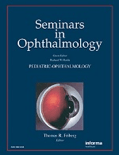
Seminars in Ophthalmology
Illuminating Insights in Eye CareSeminars in Ophthalmology is a prestigious journal published by Taylor & Francis Inc, dedicated to advancing knowledge in the field of ophthalmology and related medical areas. Established in 1986, this journal has consistently provided a platform for high-quality research and insights, supporting the community with its impactful publications. With an impressive ranking of #55 out of 137 in the Ophthalmology category, the journal currently holds a Q2 quartile in both ophthalmology and miscellaneous medicine as of 2023, reflecting its significant contribution to the discipline. Researchers and practitioners can access a wealth of information covering a comprehensive range of topics, bolstering both clinical practice and academic inquiry. While not an open-access publication, Seminars in Ophthalmology remains a crucial resource for advancing ophthalmic research, fostering collaboration, and disseminating valuable findings in a rapidly evolving specialty.
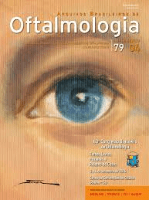
ARQUIVOS BRASILEIROS DE OFTALMOLOGIA
Exploring the frontiers of vision science and surgical excellence.ARQUIVOS BRASILEIROS DE OFTALMOLOGIA is a prominent peer-reviewed journal dedicated to the field of ophthalmology, published by CONSEL BRASIL OFTALMOLOGIA since its inception in 1945. With its commitment to disseminating high-quality research, the journal has transitioned to an Open Access model since 2001, ensuring that vital findings in ophthalmology are freely available to researchers, clinicians, and students alike. Located in São Paulo, Brazil, this esteemed publication occupies a significant position in the medical field, currently holding a Q3 ranking in both the miscellaneous medicine and ophthalmology categories. Although it maintains a legacy of fluctuating impact, recognized for its contribution to the academic community, ARQUIVOS BRASILEIROS DE OFTALMOLOGIA continues to attract a diverse international readership, making it a valuable resource for advancements in eye health, surgical techniques, and ocular research.