JOURNAL OF PHYSICAL AND CHEMICAL REFERENCE DATA
metrics 2024
Your Essential Resource for Accurate Scientific Data
Introduction
The Journal of Physical and Chemical Reference Data, published by AIP Publishing, stands as a pivotal resource in the fields of chemistry and physical sciences. With an ISSN of 0047-2689 and E-ISSN 1529-7845, this journal has been diligently curating and disseminating essential reference data since its inception in 1972. Covering a wide array of topics, it is classified in the top quartile (Q1) for miscellaneous chemistry and holds commendable standings in physical and theoretical chemistry, as well as general physics and astronomy, according to the latest Scopus rankings. Researchers and professionals rely on its comprehensive and accurate data to advance their work, making it an indispensable resource for academia and industry alike. While the journal does not currently offer open access options, its rigorous peer-review process ensures that each contribution maintains the highest scholarly standards, catering to a global audience dedicated to the advancement of physical and chemical knowledge.
Metrics 2024
 0.754.404.10101
Metrics History
Rank 2024
Scopus
IF (Web Of Science)
JCI (Web Of Science)
Quartile History
Similar Journals
CHINESE JOURNAL OF CHEMICAL PHYSICS
Pioneering Research in Chemical Physics InnovationChinese Journal of Chemical Physics, published by the Chinese Physical Society, serves as a pivotal platform for advancing the field of chemical physics, encompassing groundbreaking research and innovative methodologies since its inception in 2000. With an ISSN of 1674-0068 and E-ISSN of 2327-2244, the journal has established itself within the academic community, reflected in its 2023 classification as Q3 in Physical and Theoretical Chemistry and a Scopus rank of #142 out of 189, representing the 25th percentile in this competitive field. Although it does not currently operate as an open-access publication, its commitment to disseminating pivotal scientific research continues to attract scholars and professionals alike. The journal aims to bridge the gap between theoretical principles and practical applications in chemical physics, thereby fostering collaboration and innovation. By contributing significantly to the discourse in this dynamic domain, the Chinese Journal of Chemical Physics remains an essential resource for researchers, professionals, and students eager to stay abreast of contemporary developments.
Russian Journal of Physical Chemistry B
Unveiling groundbreaking studies in physical chemistry.Russian Journal of Physical Chemistry B, published by MAIK NAUKA/INTERPERIODICA/SPRINGER, serves as a vital platform for the dissemination of novel research in the field of physical and theoretical chemistry. With an ISSN of 1990-7931 and an E-ISSN of 1990-7923, this journal has established itself in the academic landscape since its inception in 2008, continuing to publish groundbreaking studies that push the boundaries of chemical research through 2024. Ranked in the Q3 category in Physical and Theoretical Chemistry, it holds a Scopus Rank of 139/189, showcasing its significance despite a competitive field. The journal does not currently offer open access but remains dedicated to advancing knowledge and innovation within its niche, fostering collaboration among chemists, researchers, and educators. As a valuable resource for those seeking to stay abreast of the latest developments and theoretical advancements, the Russian Journal of Physical Chemistry B is an excellent choice for professionals and students alike.
Journal of Cheminformatics
Elevating research standards in cheminformatics excellence.Journal of Cheminformatics, published by BMC, is a premier open-access journal that has been a cornerstone of cheminformatics research since its inception in 2009. With an ISSN of 1758-2946, this journal operates from the heart of the United Kingdom, providing a dynamic platform for disseminating high-quality, peer-reviewed articles that explore the integration of computer science with chemistry. The journal proudly stands in the prestigious Q1 category across multiple disciplines, including Computer Graphics, Computer-Aided Design, and Library and Information Sciences, showcasing its exceptional impact in the fields of cheminformatics and computational chemistry. Additionally, it ranks impressively in various Scopus categories, with notable placements such as #7 in Library and Information Sciences and #15 in Physical and Theoretical Chemistry, demonstrating its significance to the academic community. As a leader in open-access publishing, the Journal of Cheminformatics ensures that cutting-edge research and innovations are freely accessible to researchers, professionals, and students alike, fostering collaboration and advancement in this rapidly evolving field.
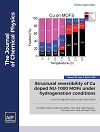
JOURNAL OF CHEMICAL PHYSICS
Bridging Chemistry and Physics for Tomorrow's InnovationsJOURNAL OF CHEMICAL PHYSICS, published by AIP Publishing, stands as a premier scholarly source within the realms of physical and theoretical chemistry, as well as physics and astronomy. With an enduring history dating back to 1933 and converging until 2024, this journal has established itself as a cornerstone of the scientific community, evidenced by its prestigious Q1 categorization in multiple fields, including medicine and general physics. It is ranked 37th out of 243 in the general physics and astronomy category and holds a commendable 39th position in physical and theoretical chemistry according to Scopus rankings, highlighting its significant impact in these disciplines. Although not an open-access journal, it caters to a wide audience of researchers, professionals, and students seeking to deepen their understanding of the interactions and dynamics of chemical systems. With its expertly curated content, the JOURNAL OF CHEMICAL PHYSICS continues to play a vital role in advancing knowledge and fostering innovation across its core subjects.

ATOMIC DATA AND NUCLEAR DATA TABLES
Unlocking the secrets of atomic interactions and nuclear processes.ATOMIC DATA AND NUCLEAR DATA TABLES, published by Academic Press Inc Elsevier Science, is a leading journal in the fields of atomic and molecular physics, as well as nuclear and high energy physics. With an ISSN of 0092-640X and an E-ISSN of 1090-2090, this esteemed journal has been providing comprehensive data tables and significant research insights since its establishment in 1969. Spanning until 2024, it continues to serve as an invaluable resource for researchers and professionals aiming to deepen their understanding of atomic interactions and nuclear processes. Holding a commendable Q2 ranking in both relevant categories, it is recognized for its impact, reflected in Scopus rankings, where it ranks 25th out of 87 in Nuclear and High Energy Physics, and 87th out of 224 in Atomic and Molecular Physics. While it does not offer open access, the journal remains a crucial repository for high-quality data essential for scientific endeavors and advancements in these complex fields.

Journal of Physical Science
Exploring the connections between materials, physics, and astronomy.Journal of Physical Science is an esteemed publication dedicated to advancing the knowledge in the fields of physical science, specifically in the realms of Materials Science and Physics and Astronomy. Published by UNIV SAINS MALAYSIA, this journal serves as a vital platform for researchers and professionals seeking to disseminate their findings and engage with the scientific community. With an ISSN of 1675-3402 and an E-ISSN of 2180-4230, the journal has established its presence since 2011 and will continue to converge until 2024. Although currently listed in the Q4 quartile for both Materials Science and Physics categories, the journal is committed to fostering innovative research, encouraging interdisciplinary collaboration, and enhancing the scientific discourse within these fields. The Journal of Physical Science remains accessible to a diverse audience, providing insights that span theoretical, experimental, and applied aspects of physical sciences, making it an essential resource for students, educators, and practitioners alike.
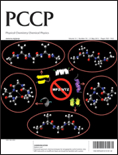
PHYSICAL CHEMISTRY CHEMICAL PHYSICS
Exploring the Intersection of Chemistry and Physics with ImpactPhysical Chemistry Chemical Physics is a premier interdisciplinary journal published by the Royal Society of Chemistry, dedicated to advancing the fields of physical chemistry and chemical physics. With an impressive impact factor and categorized in the Q2 quartiles for both Physical and Theoretical Chemistry and Physics and Astronomy, this journal serves as a vital platform for the dissemination of high-quality research findings from 1999 through 2024. Based in the United Kingdom, the journal is committed to providing open access to its articles, enhancing the visibility and accessibility of research to a global audience. Researchers, professionals, and students alike are encouraged to contribute to this esteemed journal, ensuring impactful discussions and significant advancements in the understanding of chemical and physical phenomena. With strong Scopus rankings underscoring its relevance, Physical Chemistry Chemical Physics stands out as an essential resource for specialists striving to innovate and excel within these dynamic fields.
JOURNAL OF MAGNETISM AND MAGNETIC MATERIALS
Elevating Knowledge in Magnetic SciencesJOURNAL OF MAGNETISM AND MAGNETIC MATERIALS, published by Elsevier, stands at the forefront of research in the fields of magnetism and magnetic materials. With an established history since 1975 and a commitment to advancing knowledge through rigorous peer-reviewed studies, this journal has become a valuable resource for researchers and academics alike. Housed in the Netherlands and indexed under Scopus, it ranks Q2 in both Condensed Matter Physics and Electronic, Optical and Magnetic Materials, reflecting its impact within these domains. The journal aims to disseminate innovative research findings, methodologies, and reviews pertaining to magnetic phenomena, thus facilitating significant advancements in applications ranging from data storage technologies to medical imaging. While the journal does not feature open access options, it remains a vital part of the scientific dialogue, showcasing content that attracts a diverse audience, including researchers, professionals, and graduate students dedicated to enhancing their understanding of magnetism in various materials.
JOURNAL OF SOLUTION CHEMISTRY
Innovating Research in Biochemistry and BeyondJournal of Solution Chemistry, published by Springer/Plenum Publishers, offers a vital platform for researchers and professionals engaged in the complex interplay of substances in solution, focusing on the interdisciplinary aspects of Biochemistry, Biophysics, Molecular Biology, and Physical and Theoretical Chemistry. Established in 1972 and traversing to 2024, this journal features extensive research articles that contribute significantly to the understanding of solution chemistry phenomena. Although it is categorized as Q4 in Biochemistry and Molecular Biology and Q3 in Biophysics and Physical and Theoretical Chemistry, the journal is set apart by its commitment to fostering innovative studies and methodologies within these domains. With an ISSN of 0095-9782 and an e-ISSN of 1572-8927, it remains accessible to a wide range of scholarly audiences despite the absence of open access options. As an essential resource for anyone invested in the foundational aspects of chemical interactions, the Journal of Solution Chemistry continues to shape the discourse in solution-based research, making it a critical asset for ongoing academic pursuits.

Central European Journal of Energetic Materials
Exploring Innovations in Materials ChemistryWelcome to the Central European Journal of Energetic Materials, a distinguished publication in the field of energetic materials, published by the INST INDUSTRIAL ORGANIC CHEMISTRY in Poland. This journal, with ISSN 1733-7178, has been a vital platform for researchers since its inception in 2009, promoting the latest advancements and discoveries in the dynamic fields of Materials Chemistry and Organic Chemistry. With an admirable presence in the academic community, it boasts a Q3 ranking in Materials Chemistry and a Q4 ranking in Organic Chemistry for 2023, showcasing its contribution to foundational research despite competitive challenges. Researchers looking to disseminate their findings will find this journal a reputable venue, supported by rigorous peer-review processes and a commitment to open dialogue within the scientific community. The journal is pivotal for academics, professionals, and students interested in the synthesis, characterization, and application of energetic materials, making it a notable resource for understanding the complexities and innovations within this specialized domain.