Journal of Public Health-Heidelberg
Scope & Guideline
Shaping public health policies with evidence-based insights.
Introduction
Aims and Scopes
- Public Health Policy and Governance:
Explores the intersection of public health policies, governance structures, and their effectiveness in addressing health challenges at national and international levels. - Health Behavior and Promotion:
Investigates factors influencing health behaviors, including preventive measures, health literacy, and community engagement strategies to promote healthy lifestyles. - Epidemiology and Disease Prevention:
Focuses on the epidemiological aspects of diseases, their risk factors, and the effectiveness of interventions aimed at preventing disease outbreaks and improving health outcomes. - Mental Health and Well-Being:
Examines the impact of various factors on mental health, including stress, trauma, and social determinants, with an emphasis on community-based interventions. - Health Disparities and Social Determinants:
Analyzes how social determinants such as income, education, and ethnicity affect health outcomes, aiming to identify and mitigate health disparities. - Innovative Health Technologies:
Investigates the role of digital health technologies, telemedicine, and health informatics in enhancing healthcare delivery and patient outcomes. - Environmental Health:
Studies the impact of environmental factors on public health, including air and water quality, climate change, and their interactions with human health.
Trending and Emerging
- Mental Health Impact of COVID-19:
There is a growing focus on the mental health consequences of the COVID-19 pandemic, including anxiety, depression, and coping mechanisms among various populations. - Digital Health and Telemedicine:
Research on digital health solutions and telemedicine has surged, highlighting their role in enhancing healthcare access and delivery, particularly during and after the pandemic. - Health Equity and Social Justice:
An increasing number of articles are dedicated to exploring health equity, with a focus on marginalized communities and the social determinants of health. - Public Health Crisis Response:
Emerging research is centered around responses to public health crises, including pandemic preparedness, vaccine deployment strategies, and community resilience. - Environmental and Climate Health:
There is an upward trend in studies examining the intersection of climate change and public health, emphasizing the health impacts of environmental changes. - Innovative Health Interventions:
The journal is witnessing a rise in publications focused on innovative interventions, including community-based programs and digital health applications to promote health behavior.
Declining or Waning
- Traditional Epidemiological Studies:
There has been a noticeable decline in traditional observational epidemiological studies as newer methodologies and technological advancements gain traction. - Single-Disease Focused Research:
Research that focuses solely on individual diseases is becoming less prominent as the journal shifts towards more integrative approaches addressing multiple health issues. - Basic Health Education Programs:
The emphasis on basic health education initiatives appears to be waning, possibly due to a shift towards more targeted and evidence-based interventions that consider contextual factors. - Cross-Sectional Studies:
The prevalence of cross-sectional studies has decreased, reflecting a shift towards longitudinal and experimental designs that provide deeper insights into public health trends.
Similar Journals
Preventive Medicine
Shaping tomorrow's public health through rigorous research.Preventive Medicine is a premier academic journal published by Academic Press Inc Elsevier Science, renowned for its influential contributions to the fields of Epidemiology and Public Health. Since its inception in 1946 and through its dedicated issues leading into 2024, the journal has established itself as a leading platform for cutting-edge research, boasting impressive Scopus rankings, with a notable Q1 status across relevant categories. This journal provides an essential forum for scholars, practitioners, and policy-makers interested in the prevention of diseases and the promotion of health within populations. With each issue, it disseminates valuable insights on preventive strategies, health behaviors, and epidemiological trends, making it crucial for anyone invested in the advancement of public health sciences. The journal does not offer open access options, ensuring that content remains relevant and targeted to its scholarly audience. Given its valuable contributions and recognition in the academic community, Preventive Medicine continues to play a pivotal role in shaping evidence-based approaches to health promotion and disease prevention in modern societal contexts.
Advances in Public Health
Exploring new frontiers in public health research.Advances in Public Health is a distinguished open access journal dedicated to the dissemination of cutting-edge research in the field of public health, published by HINDAWI LTD. Since its inception in 2014, this journal has aimed to foster innovation and facilitate critical discourse on public health challenges, policies, and practices across the globe. With an ISSN of 2356-6868 and an E-ISSN of 2314-7784, it maintains a robust presence in the academic community, featuring prominently with a Scopus rank of #213/665 and proudly residing in the Q2 category within Public Health, Environmental, and Occupational Health as of 2023. Based in Egypt, and serving an international readership, Advances in Public Health provides a platform for researchers, professionals, and students to share their findings and insights, ultimately contributing to the improvement of health outcomes worldwide. Its open access format ensures that valuable research is available to a broader audience, promoting collaboration and knowledge sharing within the public health domain.
Indian Journal of Community Medicine
Connecting Research, Practice, and Policy in Community MedicineIndian Journal of Community Medicine, with its ISSN 0970-0218 and E-ISSN 1998-3581, operates under the esteemed Wolters Kluwer Medknow Publications. This peer-reviewed, open access journal, established in 2005, has been at the forefront of disseminating research in the fields of public health, community medicine, and environmental health, forging connections among researchers, practitioners, and policymakers in India and beyond. With a notable impact factor and a Q3 ranking in Public Health, Environmental and Occupational Health for 2023, this journal maintains a commitment to improving community health through empirical research, policy analysis, and best practice sharing. The journal is pivotal not only in addressing prevalent health issues but also in fostering innovative solutions tailored to the unique challenges faced by diverse communities. With publication convergence from 2009 to 2024, the Indian Journal of Community Medicine continues to serve as a vital resource for academics, professionals, and students looking to contribute to and engage with the evolving landscape of community health research.
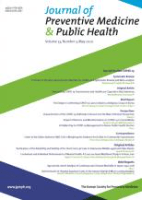
Journal of Preventive Medicine & Public Health
Transforming challenges into solutions for healthier communities.Journal of Preventive Medicine & Public Health is a premier peer-reviewed open-access journal published by the Korean Society for Preventive Medicine, dedicated to advancing the fields of preventive medicine and public health. Established in 1968, this journal has carved out a significant niche in the academic community, reflected in its prestigious Q1 ranking in both Medicine (miscellaneous) and Public Health, Environmental, and Occupational Health as of 2023. With a focus on disseminating high-quality research, the journal serves as an essential platform for researchers, professionals, and students to share innovative findings and discuss contemporary challenges in health prevention strategies. The journal maintains a strong commitment to accessibility, offering open access to its content since inception, ensuring that critical research is readily available to the global community. The Journal of Preventive Medicine & Public Health not only contributes to the scientific discourse but also plays a pivotal role in shaping public health policies, making it an invaluable resource for anyone invested in the health sciences.
JOURNAL OF COMMUNITY HEALTH
Unveiling critical insights for global health challenges.JOURNAL OF COMMUNITY HEALTH, published by SPRINGER, stands as a premier source of scholarly information in the fields of community health, public health, environmental, and occupational health. With an impressive impact factor and ranked in the top quartiles (Q1) across related categories, this journal positions itself as a critical resource for researchers, professionals, and students dedicated to advancing the well-being of communities. Since its inception in 1975, it has tackled vital issues affecting public health systems and policies, providing a platform for innovative research and critical analyses. The journal's high Scopus rankings reflect its commitment to quality and academic excellence, being ranked #12 in Social Sciences - Health and #36 in Medicine - Public Health. Subscribers can benefit from comprehensive reviews and empirical studies, while authors are invited to contribute to a growing body of knowledge that shapes health practices globally. With a clear focus on real-world impact and community engagement, JOURNAL OF COMMUNITY HEALTH continues to play a fundamental role in informing public health strategies and interventions.

Public Health in Practice
Fostering innovation in the realm of public health.Public Health in Practice is an influential open-access journal published by ELSEVIER, dedicated to advancing knowledge in the fields of health policy and public health. Since its inception in 2020, this journal has quickly established itself within the academic community, with notable rankings including Q2 in both Health Policy and Public Health, Environmental and Occupational Health, reflecting its commitment to publishing high-quality research. The journal operates out of the Netherlands and has adopted an open-access model to ensure that research is freely available to professionals, researchers, and students alike, facilitating knowledge sharing and impactful discussions. With a Scopus rank of #164 in Health Policy and #352 in Public Health, the journal aims to bridge gaps in research while fostering innovative solutions to contemporary public health challenges. Highly relevant to today's dynamic healthcare landscape, Public Health in Practice encourages submissions that contribute to evidence-based practices and advocate for effective public health policies.

COMMUNITY DENTAL HEALTH
Enhancing oral health for a brighter future.Community Dental Health is a distinguished journal dedicated to advancing the field of public health and dentistry, published by F D I World Dental Press Ltd. Established in 1984, it has established itself as an essential resource for researchers and professionals by providing a platform for high-quality research, reviews, and case studies that address the critical issues surrounding dental health and its societal impacts. With an impact factor positioning the journal in the Q2 category for Dentistry and notable mentions in public health, it serves as a vital tool for those in academia and practice. The journal covers various pertinent topics, ensuring its relevance in an ever-evolving healthcare landscape. Although not open access, it remains accessible through institutional subscriptions, further supporting its role in disseminating significant findings within the scientific community. As it approaches its 40th anniversary in 2024, Community Dental Health continues to foster knowledge exchange, ultimately contributing to enhanced dental practices and better health outcomes on a global scale.
International Journal of Health Geographics
Exploring the spatial dimensions of public health.International Journal of Health Geographics is a premier open access journal published by BMC, dedicated to advancing the field of health geography by facilitating the dissemination of research that intersects health, the environment, and geographic information systems. Since its inception in 2002, the journal has become a vital resource for scholars and practitioners in public health, environmental science, and spatial data analysis, consistently ranking in the Q1 category across multiple disciplines, including Public Health, Business Management, and Computer Science. With an impressive Scopus ranking of #39/665 in Public Health and a notable 94th percentile standing, the journal is committed to publishing high-quality, impactful research that addresses current public health challenges through a geographic lens. Its open access model ensures that knowledge is readily available to researchers, policymakers, and the public, reinforcing its role as a key contributor to evidence-based decision-making in health and environmental policies. As it converges through 2024, the International Journal of Health Geographics continues to be an essential publication for advancing interdisciplinary understanding and promoting innovative solutions in health geography.

Annali di Igiene Medicina Preventiva e di Comunita
Fostering excellence in preventive medicine and community health.Annali di Igiene Medicina Preventiva e di Comunita, published by SOC EDITRICE UNIV, is a prestigious Italian journal dedicated to advancing the fields of Infectious Diseases and Public Health. Established in 1989 and continuously publishing until 2024, this peer-reviewed journal provides a vital platform for researchers, practitioners, and students to disseminate cutting-edge findings and innovative practices. The journal holds a Q3 ranking in both its categories according to the latest metrics, which showcases its relevance and commitment to contributing to the discourse in these critical areas of medicine. Although not open access, it remains a valued resource for those seeking to deepen their understanding of preventive health and community medicine. With an emphasis on quality and research impact, Annali di Igiene is a fundamental publication for professionals aiming to address pressing health challenges and improve community health outcomes through evidence-based approaches.
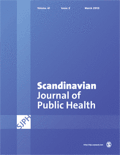
SCANDINAVIAN JOURNAL OF PUBLIC HEALTH
Connecting researchers to enhance health outcomes worldwide.Scandinavian Journal of Public Health is a premier academic journal published by SAGE Publications Ltd, delivering high-quality research in the fields of public health, environmental health, and occupational health. With an impressive impact factor and recognition as a Q1 journal in both the Medicine (Miscellaneous) and Public Health, Environmental and Occupational Health categories, it ranks among the top journals with a Scopus ranking of #110 out of 665, placing it in the 83rd percentile. Established in 1973, the journal has consistently fostered the dissemination of innovative public health research and practices, providing a platform for researchers, professionals, and students alike. Its commitment to open access facilitates widespread accessibility to crucial findings and discussions, thereby enhancing knowledge and improving health outcomes globally. With its long-standing history and continuous contribution to the field, Scandinavian Journal of Public Health remains an essential resource for those dedicated to advancing public health knowledge and practice.