
Journal of Radiosurgery and SBRT
Scope & Guideline
Pioneering Research in Radiosurgery Excellence
Introduction
Aims and Scopes
- Stereotactic Techniques and Innovations:
The journal emphasizes the development and refinement of stereotactic techniques, including advancements in imaging, treatment planning, and delivery methods that enhance precision and patient outcomes. - Clinical Applications of Radiosurgery:
Focused on the application of SRS and SBRT in treating various malignancies, the journal explores case studies and clinical trials that highlight the efficacy and safety of these modalities across different tumor types. - Dosimetry and Treatment Planning:
Research on dosimetric evaluations, treatment planning strategies, and the impact of technological innovations on treatment delivery is a core area, aiming to optimize therapeutic outcomes while minimizing side effects. - Patient Outcomes and Quality of Life:
The journal investigates factors influencing patient outcomes, survival rates, and quality of life post-treatment, contributing to a deeper understanding of the long-term effects of radiosurgery. - Multidisciplinary Approaches:
Encouraging collaboration among various specialties, the journal features studies that integrate insights from oncology, radiology, and surgery to enhance treatment protocols.
Trending and Emerging
- Personalized Treatment Approaches:
Increasing emphasis on individualized treatment plans based on patient-specific factors and tumor characteristics is evident, highlighting the shift towards precision medicine in radiosurgery. - Impact of Imaging Technologies:
The integration of advanced imaging techniques, such as MRI and volumetric imaging, to assess tumor response and treatment effectiveness is gaining traction, underscoring the role of technology in enhancing treatment outcomes. - Research on Patient Safety and Quality Assurance:
There is a growing focus on safety protocols, quality assurance measures, and the dosimetric impact of treatment delivery, reflecting a commitment to improving patient safety in radiosurgery. - Outcomes of Combination Therapies:
Studies exploring the effects of combining SRS/SBRT with immunotherapy or systemic treatments are on the rise, indicating a trend towards holistic treatment regimens that leverage multiple modalities. - Dose Escalation Studies:
Research investigating the effects of dose escalation strategies, particularly in lung cancer and other malignancies, is emerging as a critical area of interest, aiming to enhance local control rates.
Declining or Waning
- Traditional Radiation Therapy Techniques:
As the field shifts towards more advanced stereotactic techniques, traditional radiation therapy methods are being less frequently explored, indicating a preference for innovative approaches in current research. - Single-Modal Treatment Studies:
There is a noticeable decline in studies focusing solely on radiosurgery without integration of multimodal treatment approaches, reflecting a trend towards comprehensive treatment strategies. - Non-Oncological Applications of Radiosurgery:
Research related to the use of radiosurgery for non-cancerous conditions has decreased, suggesting a narrowed focus primarily on oncological applications.
Similar Journals
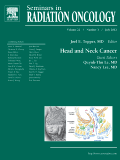
SEMINARS IN RADIATION ONCOLOGY
Shaping Tomorrow's Cancer Treatments TodaySEMINARS IN RADIATION ONCOLOGY is a premier journal published by W B SAUNDERS CO-ELSEVIER INC, dedicated to advancing the field of radiation oncology through high-quality research and comprehensive reviews. With an impressive impact factor and a notable HIndex, this journal holds a prominent place within the academic community, particularly illustrated by its Q2 ranking in both Cancer Research and Oncology, and a Q1 ranking in Radiology, Nuclear Medicine, and Imaging as of 2023. Since its inception in 1991, the journal has served as a vital resource for researchers, clinicians, and healthcare professionals, facilitating the exchange of innovative ideas and practices that shape the future of cancer treatment. While the journal is not open access, it offers essential insights into the latest advancements in the field, catering to a diverse audience eager to expand their knowledge and improve patient outcomes in the realm of radiation therapy.
Journal of Medical Imaging and Radiation Oncology
Pioneering Discoveries in Cancer Treatment and ImagingJournal of Medical Imaging and Radiation Oncology, published by WILEY, is a pivotal resource in the fields of oncology and medical imaging. With an impact factor reflective of its commitment to advancing research, the journal has maintained a robust reputation since its inception in 2008 and continues to thrive through 2024. It is indexed with an insightful ranking, with a Q2 classification in Radiology, Nuclear Medicine and Imaging, affirming its importance in these disciplines. This journal not only serves as an open access platform, allowing extensive reach and accessibility, but also fosters a scholarly community dedicated to the innovation of imaging techniques and radiation oncology practices. As a key player in disseminating crucial findings and advancements, it appeals to researchers, clinicians, and students who aim to contribute to the evolving landscape of medical imaging and cancer treatment methodologies. The journal is based in Australia, at 111 River St, Hoboken, NJ, and invites submissions that push the boundaries of current knowledge in this critical area of healthcare.
JOURNAL OF RADIATION RESEARCH
Exploring the frontiers of health and toxicology in radiation.JOURNAL OF RADIATION RESEARCH, published by Oxford University Press, is a prominent peer-reviewed journal focusing on the diverse fields of radiation science, including health, toxicology, and radiology. Since its inception in 1960, this open-access journal has provided a critical platform for the dissemination of high-quality research, making it accessible to a global audience of researchers, professionals, and students. With a consistent track record, the journal holds an impressive impact factor and is categorized in Q2 of Radiation studies and Q3 in Health and Toxicology as per the 2023 rankings, reflecting its influential role in shaping contemporary discourse in the field. The journal also boasts notable rankings within Scopus, further underscoring its importance in advancing knowledge and innovations related to radiation. Spanning from 1960 to 2024, the JOURNAL OF RADIATION RESEARCH remains at the forefront of scientific exploration and is essential reading for anyone committed to advancing the understanding of radiation and its effects.
Journal of Radiotherapy in Practice
Innovating Patient Care Through Radiotherapy ResearchJournal of Radiotherapy in Practice is a peer-reviewed journal published by Cambridge University Press, focusing on the evolving field of radiotherapy and its application in clinical practice. With ISSN 1460-3969 and E-ISSN 1467-1131, this journal serves as a critical platform for researchers, clinicians, and students in oncology and radiology, providing vital insights into treatment methodologies, patient care, and innovative practices. Although indexed in Q4 quartiles for both Oncology and Radiology, Nuclear Medicine and Imaging, the journal plays an essential role in disseminating clinical findings and advancing the science of radiotherapy since its inception in 1999. Authors are encouraged to contribute their research, case studies, and reviews that align with the journal's objectives, fostering a collaborative environment for sharing knowledge. Despite its current rankings, the journal aims to enhance its impact and visibility in the scientific community, thereby enriching professional practice and patient outcomes in the realm of radiotherapy.
Medical Dosimetry
Empowering Professionals with Essential Dosimetry KnowledgeMedical Dosimetry is a distinguished journal published by Elsevier Science Inc, dedicated to the advancing field of medical dosimetry and its applications within oncology, radiology, and nuclear medicine. With its ISSN 0958-3947 and E-ISSN 1873-4022, this journal serves as a crucial resource for researchers and professionals aiming to enhance their understanding of radiation treatment planning and dosage calculations. Encompassing a comprehensive range of topics from clinical dosimetry to technology assessment, Medical Dosimetry has been disseminating significant findings since its establishment in 1988, contributing to the continuous development of best practices in patient care and safety. The journal currently holds a Q3 ranking in various categories, reflecting its pivotal role in the research community, while not currently offering open access, it remains an essential reference for scholars advancing the techniques utilized in medical imaging and treatment. By fostering a platform for high-quality research, it aims to bridge the gap between theoretical studies and clinical applications, making it a vital addition to any medical library.
PROSTATE CANCER AND PROSTATIC DISEASES
Transforming patient care through rigorous research.PROSTATE CANCER AND PROSTATIC DISEASES, published by SpringerNature, is a prestigious international journal dedicated to advancing knowledge in the fields of cancer research, oncology, and urology, as evidenced by its Q1 rankings in 2023. Established in 1997, this journal has become a vital resource for researchers, clinicians, and healthcare professionals, offering impactful research and clinical insights on prostate health and disease. With its focus on innovative studies and comprehensive reviews, it addresses critical challenges in the management and treatment of prostate cancer, driving improvements in patient care globally. The journal's standing is further supported by its impressive Scopus rankings, placing it in the top tier of its categories. Readers can access high-quality, peer-reviewed articles that contribute significantly to ongoing medical practices and improve therapeutic strategies for prostate-related health issues.
Japanese Journal of Radiology
Unveiling the Future of Radiology, One Article at a TimeThe Japanese Journal of Radiology, published by SPRINGER, serves as a premier platform for disseminating cutting-edge research and clinical advancements in the fields of radiology, nuclear medicine, and imaging. With an ISSN of 1867-1071 and E-ISSN 1867-108X, this journal has established itself as a vital resource for practitioners, researchers, and students alike. Renowned for its high-quality peer-reviewed articles, it currently enjoys a respectable impact factor within the Q2 category of Scopus rankings, placing it in the 69th percentile among 333 journals in its field. The journal has seen consistent convergence of research from 2009 to 2024, further underscoring its commitment to advancing the understanding of radiological practices. Importantly, the journal offers Open Access options to facilitate widespread dissemination of knowledge, ensuring that vital research reaches its audience without barriers. Addressed in Japan, the Japanese Journal of Radiology plays a critical role in enhancing the global discourse on medical imaging, making it an essential resource for anyone engaged in this dynamic field.
SURGICAL ONCOLOGY-OXFORD
Innovating oncology surgery through comprehensive peer-reviewed studies.Surgical Oncology-Oxford is a prestigious academic journal published by Elsevier Science Ltd, dedicated to advancing the field of surgical oncology. Since its establishment in 1992, the journal has provided a vital platform for disseminating cutting-edge research, clinical advancements, and innovative surgical techniques. With a focus on both surgery and oncology, the journal is ranked in the Q2 category in Surgery and Q3 in Oncology for 2023, reflecting its commitment to quality and impactful contributions. It ranks #107 out of 551 in Medicine_Surgery and #184 out of 404 in Medicine_Oncology as per Scopus metrics, illustrating its significant role in the academic landscape. Although it does not currently offer open access options, the journal's rigorous peer-review process ensures that only the highest quality research is published. By examining the latest surgical methodologies and oncological insights, Surgical Oncology-Oxford plays a crucial role in enhancing clinical practice and improving patient outcomes, making it an essential resource for researchers, healthcare professionals, and students aiming to stay at the forefront of the field.
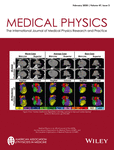
MEDICAL PHYSICS
Championing Excellence in Medical Physics ScholarshipMEDICAL PHYSICS, published by WILEY, stands as a leading journal in the fields of biophysics, medicine, and radiology, boasting an impressive impact factor and classified within the prestigious Q1 category across multiple relevant domains. With its ISSN 0094-2405 and E-ISSN 2473-4209, the journal has been a vital resource since its inception in 1974, leading the discourse well into 2024. Hailing from the United States, MEDICAL PHYSICS serves a diverse academic audience, comprising researchers, clinicians, and students eager to engage with the latest advancements and methodologies. The journal’s authoritative presence is underscored by its Scopus rankings, placing it among the top percentile in both Medicine and Biophysics, marking it as an essential scholarly platform for innovative research and critical reviews. While not currently an Open Access journal, its commitment to curating high-quality articles ensures that readers can access groundbreaking insights into medical imaging, treatment protocols, and the theoretical underpinnings of medical physics. Explore the intersection of technology and healthcare through the esteemed pages of MEDICAL PHYSICS.
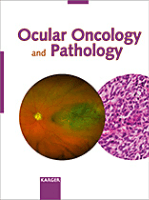
Ocular Oncology and Pathology
Advancing Knowledge in Ocular Oncology and PathologyOcular Oncology and Pathology is a distinguished journal dedicated to the multifaceted study of ocular diseases, particularly focusing on oncology and pathology. Published by KARGER, a reputable publisher based in Switzerland, this journal serves as a vital resource for researchers, clinicians, and students in the fields of ophthalmology, pathology, and oncology. With an ISSN of 2296-4681 and an E-ISSN of 2296-4657, the journal has established itself as a significant contributor to the literature, achieving a commendable ranking of 55th out of 139 in the General Nursing category within Scopus, placing it in the 60th percentile. Now converging its expertise until 2024, Ocular Oncology and Pathology aims to publish high-quality, peer-reviewed research articles that advance the understanding of ocular neoplasms and their pathological features. The journal’s commitment to open access promotes the dissemination of vital scientific knowledge, ensuring worldwide accessibility to high-impact research, making it an essential platform for the academic community.