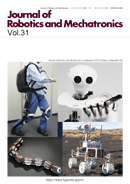
Journal of Robotics and Mechatronics
metrics 2024
Pioneering Research for Tomorrow's Technologies
Introduction
Journal of Robotics and Mechatronics, published by FUJI TECHNOLOGY PRESS LTD, stands at the forefront of innovation in the fields of robotics and mechatronics. Since its inception in 1989, this Open Access journal has become a vital resource for researchers, professionals, and students interested in advances that merge technology with mechanical systems, offering critical insights into practical applications and theoretical developments. With a commendable impact factor reflected in its Q2 rankings in both Computer Science (miscellaneous) and Electrical and Electronic Engineering, the journal serves as a platform for disseminating high-quality research and fostering academic collaborations. The journal enjoys wide accessibility since transitioning to Open Access in 2007, allowing for a global audience to engage with groundbreaking findings relevant to both industry and academia. Based in Tokyo, Japan, the Journal of Robotics and Mechatronics aspires to bridge the gap between research and practical implementation, encouraging the exploration of novel concepts and the sharing of scientific knowledge.
Metrics 2024
 0.410.901.1039
Metrics History
Rank 2024
Scopus
IF (Web Of Science)
JCI (Web Of Science)
Quartile History
Similar Journals
Intelligent Service Robotics
Leading the Charge: Your Gateway to Cutting-edge Robotics ResearchIntelligent Service Robotics, published by SPRINGER HEIDELBERG, is a leading journal that focuses on the transformative intersection of intelligent systems and robotics, establishing itself as a pivotal resource for researchers, professionals, and students in the fields of Artificial Intelligence, Computational Mechanics, and Mechanical Engineering. With an impressive impact factor reflective of its relevance—featuring a 2023 Q1 ranking in Computational Mechanics and Mechanical Engineering, and Q2 in Artificial Intelligence—this journal disseminates high-quality, peer-reviewed research that propels innovation and application in various engineering disciplines. Operating from its headquarters in Heidelberg, Germany, Intelligent Service Robotics aims to foster a dynamic academic community, encouraging open dialogue and collaboration among thought leaders and emerging scholars alike. The journal invites submissions that provide novel insights and solutions in the rapidly evolving landscape of service robotics, ensuring that it remains at the forefront of scientific discourse. With a converged publication timeline from 2008 to 2024 and robust Scopus rankings, the journal is committed to shaping the future of robotic intelligence and its applications.

Information Technology and Control
Exploring the frontiers of computer science and engineering.Information Technology and Control, published by Kaunas University of Technology, is a prominent open access journal dedicated to the fields of computer science, control and systems engineering, and electrical and electronic engineering. With an ISSN of 1392-124X and a notable reputation, the journal has continuously contributed to the dissemination of innovative research since its establishment in 2008. As of 2023, it ranks in the Q3 quartile for Computer Science Applications and in the Q2 quartile for both Control and Systems Engineering and Electrical and Electronic Engineering, reflecting its growing influence in these disciplines. The journal provides a platform for the latest developments in technologies driving the industry forward and encourages an interdisciplinary approach to problem-solving. With open-access solutions implemented in 2020, it ensures that research findings are readily accessible to a global audience, supporting knowledge transfer and collaboration among researchers, professionals, and students alike. This inaugural introduction underscores the journal's commitment to fostering innovation and excellence in the rapidly evolving landscape of information technology and control.

Advanced Intelligent Systems
Advancing Knowledge at the Frontier of Intelligent Systems.Advanced Intelligent Systems, published by WILEY, stands as a prominent Open Access journal dedicated to the interdisciplinary exploration of intelligent systems, with a focus on materials science, engineering, and computer science. Since its establishment, the journal has fostered innovative research, providing a platform for the dissemination of findings that push the boundaries of artificial intelligence, human-computer interaction, and systems engineering. Although it is relatively new, having converged from 2023 to 2024, it ranks within various Scopus categories, showcasing its growing influence in fields such as mechanical engineering and computer vision. With an emphasis on accessibility, the journal has been Open Access since 2019, ensuring that cutting-edge research is available to a global audience of researchers, professionals, and students, thus driving forward the frontiers of intelligent systems development.
JOURNAL OF INTELLIGENT & ROBOTIC SYSTEMS
Unleashing Potential in Robotic TechnologiesJOURNAL OF INTELLIGENT & ROBOTIC SYSTEMS, published by Springer, is a premier interdisciplinary journal that focuses on the rapidly evolving fields of artificial intelligence, robotics, and their applications across various engineering domains. With an impressive impact factor and ranked in the Q1 and Q2 quartiles of multiple relevant categories—including Electrical and Electronic Engineering, Control and Systems Engineering, and Mechanical Engineering—this journal is essential for researchers, industry professionals, and graduate students seeking to stay at the forefront of innovation in intelligent systems. The journal publishes high-quality research articles, reviews, and technical notes that contribute to advancing theory, practice, and the integration of intelligent robotic systems better suited to meet contemporary challenges. Founded in 1988, and with a robust indexing in Scopus, the journal continues to foster scholarly discourse and serves as a critical resource for those passionate about the future of intelligent technologies, despite not currently providing open access options.
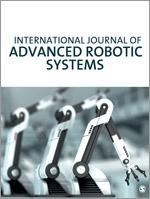
International Journal of Advanced Robotic Systems
Empowering Innovation in Robotic TechnologiesThe International Journal of Advanced Robotic Systems is a premier academic journal, published by SAGE Publications Inc., dedicated to fostering innovation and research in the rapidly evolving field of robotics. With an ISSN of 1729-8814, this Open Access journal has been providing unrestricted access to cutting-edge research since 2004, making it an invaluable resource for researchers, professionals, and students alike. The journal aims to disseminate high-quality, peer-reviewed articles that cover a wide range of topics, including but not limited to robotic systems, automation, artificial intelligence, and sensor technologies. By promoting interdisciplinary collaboration and encouraging novel approaches, the International Journal of Advanced Robotic Systems plays a crucial role in advancing the frontiers of robotics and ensuring its impactful application across various industries. Engaging with this journal not only keeps you at the forefront of the latest developments but also contributes to the global discourse on robotics and its advancements in science and technology.

Frontiers in Robotics and AI
Transforming Ideas into Innovations in Robotics and AIFrontiers in Robotics and AI is a leading journal dedicated to the exploration and dissemination of groundbreaking research in the fields of robotics and artificial intelligence. Published by FRONTIERS MEDIA SA in Switzerland, it has established itself as a vital resource for academics, professionals, and students since its inception in 2014. With an impressive Open Access model, the journal ensures that high-quality research is accessible to a global audience, fostering collaboration and innovation. The journal is recognized for its distinguished impact in the academic community, achieving Q2 quartile rankings in both Artificial Intelligence and Computer Science Applications as of 2023. It currently holds a solid position in Scopus rankings, with a rank of #123 out of 350 in Artificial Intelligence and #223 out of 817 in Computer Science Applications, reflecting its robust contribution to these dynamic disciplines. The journal's scope encompasses a wide range of topics, including but not limited to autonomous systems, machine learning, and human-robot interaction, making it an essential platform for innovative ideas and advanced research.
Artificial Life and Robotics
Bridging Theory and Practice in Robotics ResearchArtificial Life and Robotics, published by Springer, is a prominent journal in the fields of Artificial Intelligence and Biochemistry, Genetics, and Molecular Biology, with an ISSN of 1433-5298 and E-ISSN of 1614-7456. Established in 2005, the journal has continually contributed to knowledge and innovation in these rapidly evolving disciplines and is recognized for its significant impact, as indicated by its quartile rankings in the 2023 category assessments. The journal is currently positioned in Q4 for Artificial Intelligence and Q3 for General Biochemistry, Genetics and Molecular Biology, with a notable ranking of 138/221 and 262/350 in respective research areas. While it currently does not follow an open access model, it remains a valuable resource for researchers, professionals, and students seeking to advance their understanding and application of artificial life and robotic technologies. With an emphasis on interdisciplinary research, this journal aims to bridge theoretical foundations with practical applications, making it an essential platform for cutting-edge studies and discussions in the field.
Journal of Robotics
Exploring the Frontiers of Robotic EngineeringJournal of Robotics, published by HINDAWI LTD, is a premier open-access journal dedicated to the rapidly evolving field of robotics. With its ISSN 1687-9600 and E-ISSN 1687-9619, the journal has been an essential resource for researchers, professionals, and students since its establishment in 2009. Based in England, the journal not only aims to disseminate cutting-edge research but also provides a platform for critical discussions on the latest advancements in robotics. Recognized for its quality, the journal holds a Q2 ranking in Computer Science (miscellaneous) and a Q3 ranking in Control and Systems Engineering for the year 2023. Spanning topics from autonomous systems to robotic engineering, the Journal of Robotics is indexed in various esteemed databases, making it a credible source for innovative research. The journal's commitment to open access ensures that its research reaches a broad audience, encouraging collaboration and driving forward the boundaries of technology and engineering.
AUTONOMOUS ROBOTS
Unleashing Potential in Autonomous Technology.AUTONOMOUS ROBOTS, published by SPRINGER, is a leading academic journal that serves as a pivotal platform for the dissemination of cutting-edge research in the field of Autonomous Robotics. With an ISSN of 0929-5593, this esteemed journal has been at the forefront of innovation since its inception in 1994, and it continues to thrive with a vision extending to 2024 and beyond. Recognized in the Q1 category of Artificial Intelligence, it boasts a commendable ranking of #85 out of 350 in Computer Science and Artificial Intelligence, positioning it within the 75th percentile of researchers' preferred publications. The journal features a range of subjects related to autonomous systems, including but not limited to robot perception, action planning, multi-agent systems, and autonomous interactions, catering to an audience that spans researchers, industry professionals, and students alike. Scholars can access a wealth of peer-reviewed articles that contribute to both theoretical frameworks and practical applications, ensuring the relevance of the work published within its pages. Located in Dordrecht, Netherlands, AUTONOMOUS ROBOTS exemplifies a commitment to advancing the science of robotics, making significant contributions to the knowledge base and inspiring new developments within the field.
International Journal of Automation and Computing
Elevating Knowledge in Applied Mathematics and Control SystemsInternational Journal of Automation and Computing, published by SPRINGERNATURE, is a premier academic journal dedicated to advancing knowledge in the fields of applied mathematics, computer science applications, control and systems engineering, and modeling and simulation. With an impressive impact factor and consistently ranked in the Q1 Quartile for its respective categories in 2023, the journal is recognized for its high-quality research and contributions to the automation and computing sectors. This journal provides open access to its articles, promoting the dissemination of innovative ideas and methodologies across a global audience. Based in China but serving an international community, the journal is key for researchers, professionals, and students looking to stay at the forefront of automation and computing technologies. Its rigorous peer-review process ensures that published works meet the highest scientific standards, making it an essential resource for those seeking to deepen their understanding and engage in cutting-edge research.