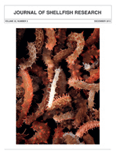
JOURNAL OF SHELLFISH RESEARCH
metrics 2024
Bridging Science and Sustainability in Shellfish Management
Introduction
JOURNAL OF SHELLFISH RESEARCH is a prominent publication in the field of aquatic science, specifically focusing on the biology and ecology of shellfish. Published by the NATL SHELLFISHERIES ASSOC, this journal provides a vital platform for researchers and professionals to share their findings, contribute to the understanding of shellfish ecosystems, and advance practices in aquaculture and fisheries management. The journal's current ranking places it in the Q2 category in aquatic science, reflecting its importance and relevance in the academic community. With its extensive history from 1993 to 2024, the JOURNAL OF SHELLFISH RESEARCH plays a critical role in disseminating high-quality research to enhance the sustainability and conservation of shellfish populations. Although the journal is not open access, it attracts a wide readership eager to engage with groundbreaking studies and innovative methodologies, making it an indispensable resource for anyone invested in aquatic biology and the shellfishing industry.
Metrics 2024
 0.441.301.5071
Metrics History
Rank 2024
Scopus
IF (Web Of Science)
JCI (Web Of Science)
Quartile History
Similar Journals
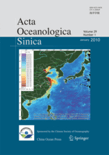
ACTA OCEANOLOGICA SINICA
Illuminating the Complexities of Aquatic EnvironmentsACTA OCEANOLOGICA SINICA, published by SPRINGER, stands as a significant voice in the fields of Aquatic Science and Oceanography, contributing vital research and insights since its inception in 1985. With an ISSN of 0253-505X and an E-ISSN of 1869-1099, this journal maintains a strong international focus, delivering high-quality peer-reviewed articles that address pressing marine and freshwater environmental issues. Although it operates under a subscription model, its Q3 ranking in both Aquatic Science and Oceanography demonstrates its solid standing within Scopus, placing it in the 48th and 44th percentiles respectively. The journal aims to foster knowledge exchange and collaboration among researchers, professionals, and students by providing a platform for innovative studies and comprehensive reviews. With a dedicated editorial board and a commitment to advancing scientific understanding, ACTA OCEANOLOGICA SINICA serves as an essential resource for anyone engaged in the study of oceanographic phenomena and aquatic ecosystems.
International Aquatic Research
Fostering collaboration in the realm of aquatic research.International Aquatic Research, published by the Islamic Azad University, Tonekabon Branch, is a vital open-access journal dedicated to advancing the field of aquatic sciences since its inception in 2009. With an ISSN of 2008-4935 and an E-ISSN of 2008-6970, the journal plays a significant role in disseminating high-quality research findings from Iran and around the globe. It covers a broad range of topics in aquatic biology, fisheries science, and marine ecology, making it a valuable resource for researchers, professionals, and students alike. As of 2023, it ranks in the third quartile (Q3) of the aquatic science category with a Scopus rank of #138 out of 247 in Agricultural and Biological Sciences, reflecting its growing influence in the field. With a commitment to promoting scientific knowledge and fostering collaboration among aquatic research communities, International Aquatic Research is positioned as an essential platform for those dedicated to understanding and conserving marine and freshwater environments.
TRANSACTIONS OF THE AMERICAN FISHERIES SOCIETY
Fostering collaboration for thriving aquatic ecosystems.TRANSACTIONS OF THE AMERICAN FISHERIES SOCIETY, published by Wiley, is a leading journal dedicated to the field of fisheries science and aquatic ecology, with a rich history dating back to its inception in 1872. As an esteemed publication within the realms of Aquatic Science and Ecology, Evolution, Behavior, and Systematics, it currently holds a Q2 quartile ranking, demonstrating its significance and influence in these disciplines. The journal is not open access, which enables a curated peer-review process while ensuring high-quality research dissemination. The journal serves as a vital platform for scholars and practitioners alike, providing essential insights into the management and conservation of aquatic resources. Its commitment to addressing contemporary challenges faced in fisheries and aquatic environments makes it indispensable for researchers, professionals, and students seeking to contribute to this dynamic field.
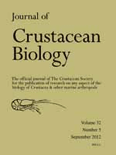
JOURNAL OF CRUSTACEAN BIOLOGY
Fostering Knowledge in Crustacean BiologyJOURNAL OF CRUSTACEAN BIOLOGY, published by Oxford University Press, is a premier peer-reviewed journal dedicated to advancing the field of crustacean biology. With an ISSN of 0278-0372 and E-ISSN 1937-240X, this esteemed journal has been a critical platform for the dissemination of research since its inception in 1984, encompassing a diverse array of studies related to the biology, ecology, and conservation of crustaceans. As part of the Aquatic Science category, the journal ranks in the Q3 quartile, illustrating its increasing relevance and impact within the scientific community. Although it is not an open-access journal, the quality of content published here ensures that it is highly regarded among researchers, professionals, and students alike. With annual converged issues until 2024, the JOURNAL OF CRUSTACEAN BIOLOGY remains a vital resource for those interested in crustacean research and its implications for broader ecological studies.
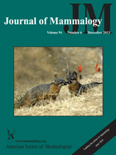
JOURNAL OF MAMMALOGY
Fostering Excellence in Mammal Science and EcologyJournal of Mammalogy, published by Oxford University Press Inc, is a premier journal dedicated to the field of mammalogy, providing a key platform for researchers and professionals interested in the biology, ecology, and conservation of mammals. With a prestigious impact factor reflected in its Q1 ranking in Animal Science and Zoology, and multiple Q2 rankings in related categories such as Ecology and Genetics for 2023, this journal is recognized for its significant contribution to advancing knowledge in the discipline. The journal features rigorous peer-reviewed articles, ensuring high-quality research output valuable for students, academia, and conservation efforts alike. While not an open-access journal, it offers comprehensive subscription options for institutions and individual readers, promoting accessibility to critical findings in the realm of mammal research. Established in the earlier years of the 20th century, the Journal of Mammalogy has continuously evolved, serving as an integral resource for disseminating innovative studies and insights that drive the future of mammalian sciences.
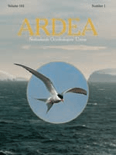
ARDEA
Discovering the intricacies of bird biology and ecology.ARDEA, published by the Nederlandse Ornithologische Unie, is a prominent journal in the fields of Animal Science, Zoology, and Ecology. With its rich history spanning from 1981 to the present, ARDEA serves as a vital platform for researchers and professionals dedicated to avian studies and the ecological sciences. This quarterly journal is recognized in the Q3 category for both Animal Science and Ecology, as per the latest rankings, and maintains an impressive global standing within its subject areas. Although it operates without an open access model, the journal provides significant insights and contributions to the understanding of bird biology, conservation, and evolution. Researchers and students seeking to advance their knowledge in ornithology and related fields will find ARDEA to be an indispensable resource, promoting high-quality research and fostering academic collaboration.

Fishes is a premier academic journal dedicated to the exploration and dissemination of cutting-edge research in the fields of aquatic science and ecology. Published by MDPI in Switzerland, this open-access journal has been accessible to researchers globally since its inception in 2016, allowing for the rapid exchange of knowledge that fosters scientific advancement in the study of fish and aquatic ecosystems. With its convergence in the years 2016 to 2024, Fishes proudly holds a notable position in the academic community, evidenced by its category quartile rankings of Q3 in Aquatic Science and Q2 in Ecology for 2023. The journal consistently features innovative research encompassing ecological interactions, conservation strategies, and evolutionary studies within aquatic environments. By integrating interdisciplinary approaches and encouraging contributions from a diverse array of experts, Fishes serves as an invaluable resource for researchers, professionals, and students alike, contributing to the understanding and preservation of our precious aquatic biodiversity.
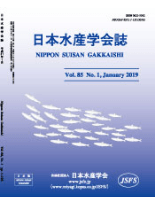
NIPPON SUISAN GAKKAISHI
Navigating the Waters of Aquatic DiscoveryNIPPON SUISAN GAKKAISHI, published by the Japanese Society of Fisheries Science, is a prestigious journal with a long history dating back to its inaugural issue in 1932. This journal, which spans key contributions to the field of Aquatic Science, serves as a vital platform for the dissemination of important research findings related to fisheries and aquatic biology, fostering knowledge and innovation in Japan and beyond. Although it is not an open-access publication, its rigorous peer-review process ensures the quality and integrity of the articles published. The journal is currently listed in the Q4 category for Aquatic Science according to the 2023 metrics, placing it within a niche but significant corner of the research landscape. With an ISSN of 0021-5392 and E-ISSN of 1349-998X, it continues to provide essential insights that benefit researchers, professionals, and students alike, highlighting advancements and challenges within aquatic ecosystems over a converged year span that continues to evolve through to 2024.

Journal of Fish and Wildlife Management
Uncovering sustainable practices for ecological health.The Journal of Fish and Wildlife Management, published by the U.S. Fish & Wildlife Service, serves as a vital resource for scholars, researchers, and professionals in the fields of Animal Science, Ecology, and Conservation Biology. With its ISSN 1944-687X, this esteemed journal has been disseminating critical research findings since 2010, contributing significantly to the understanding of fish and wildlife conservation practices and their ecological impacts. Despite its Q3 category rankings in various disciplines as of 2023, it provides a platform for innovative research that influences policy and management strategies for biodiversity conservation. The journal, although not open access, remains committed to advancing the scientific discourse surrounding wildlife management with articles that emphasize practical conservation efforts and ecological sustainability. Readers can expect a diverse range of articles that promote best practices in the management and conservation of fish and wildlife resources, furthering our collective mission of preserving ecological health and biodiversity for future generations.
JOURNAL OF FISH BIOLOGY
Pioneering Research in Fish Biology and EcologyJOURNAL OF FISH BIOLOGY, published by Wiley in the United Kingdom, is a distinguished peer-reviewed journal dedicated to advancing the understanding of the biology and relationships of fishes. With a robust history from its inception in 1969 to its future publications extending into 2024, the journal occupies a pivotal position in the academic landscape of aquatic sciences and ecology. Holding a notable Impact Factor and recognized within the second quartile (Q2) for both Aquatic Science and Ecology, Evolution, Behavior and Systematics, it serves as an essential resource for researchers, professionals, and students alike. The journal’s contributors delve into diverse topics ranging from evolutionary biology to conservation strategies, fostering a dynamic interchange of knowledge and innovation within the fish biology community. Access options are currently via subscription, ensuring high-quality, curated content that reflects the latest empirical research and theoretical advancements in the field.