KINETICS AND CATALYSIS
metrics 2024
Bridging Theory and Practice in Catalysis
Introduction
Kinetics and Catalysis is a pioneering journal dedicated to advancing the field of catalytic science and chemical kinetics, published by Pleiades Publishing Inc. Based in the Russian Federation, this journal serves as a critical platform for disseminating high-quality research related to the mechanisms of chemical reactions and innovative catalytic processes. Although currently not an open access journal, it maintains academic rigor through a comprehensive peer-review process that ensures the relevance and integrity of its published works. With a history dating back to 1968, Kinetics and Catalysis has evolved through various converged years, reflecting its commitment to interdisciplinary research within the realms of chemistry, catalysis, and the computational aspects of modeling and simulation. As evidenced by its Scopus rankings and quartiles, it stands as an influential, albeit niche, journal, appealing to researchers, professionals, and students eager to explore the intricacies of chemical transformations. The journal’s robust archive offers an invaluable resource for those seeking to expand their understanding of both theoretical and practical approaches to catalysis.
Metrics 2024
 0.251.301.3039
Metrics History
Rank 2024
Scopus
IF (Web Of Science)
JCI (Web Of Science)
Quartile History
Similar Journals
Molecular Catalysis
Pioneering Research in Catalytic ProcessesMolecular Catalysis, published by Elsevier in Netherlands, is a premier academic journal that explores the cutting-edge domain of catalytic science. With an impressive impact factor and classified in the top quartiles (Q2) in various fields such as Catalysis, Physical and Theoretical Chemistry, and Process Chemistry and Technology, this journal stands as a significant resource for researchers and professionals committed to advancing the understanding of catalysis processes. Since its inception in 2017, it has been pivotal in publishing high-quality, peer-reviewed research that addresses crucial challenges and innovations in molecular catalysis. The journal is fully Open Access, allowing unrestricted access to its articles, thus fostering a wider dissemination of knowledge. Recognized for its rigorous editorial standards, it features works that push the boundaries of current scientific understanding, making it an essential platform for students and academics alike to share and grow in their expertise.
JOURNAL OF CHEMICAL SCIENCES
Exploring the Frontiers of Chemical ResearchThe JOURNAL OF CHEMICAL SCIENCES, published by the Indian Academy of Sciences, is a premier academic journal that serves the global community of chemists and researchers. With an ISSN of 0974-3626 and an E-ISSN of 0973-7103, this journal is pivotal in disseminating high-quality research across diverse areas of chemical sciences. As of 2023, it holds a respectable Q3 ranking in the field of Chemistry (miscellaneous) and ranks #215 out of 408 in General Chemistry according to Scopus, reflecting its commitment to advancing the discipline. Operating in an open-access format, the journal ensures that research findings are readily accessible to a broader audience, fostering collaboration and innovation. Established in 1980 and continuing to evolve, the journal's scope encompasses fundamental and applied chemistry, and aims to bridge gaps between theoretical and practical applications. With a mission to support the scientific community, the JOURNAL OF CHEMICAL SCIENCES is an essential resource for researchers, professionals, and students alike, providing a platform for the exchange of groundbreaking ideas and discoveries.
CATALYSIS LETTERS
Driving Progress in Catalytic Research and DevelopmentCATALYSIS LETTERS, published by Springer, is a distinguished journal dedicated to presenting original research and review articles in the field of catalysis and its various applications. Serving the scientific community since 1988, this journal has continuously evolved, providing a platform for the dissemination of innovative findings that advance the understanding and development of catalytic processes. With an esteemed Q3 ranking in Catalysis and a Q2 ranking in miscellaneous Chemistry for 2023, CATALYSIS LETTERS underscores its relevance and impact within these critical fields. Although it does not offer open access, the journal remains a crucial resource for researchers, professionals, and students seeking to stay updated on contemporary advancements and discussions in catalysis. Its Scopus rankings further affirm its contribution to general chemistry and chemical engineering, making it an essential publication for those immersed in this dynamic area of study.
DOKLADY PHYSICAL CHEMISTRY
Illuminating Insights in the World of Physical ChemistryDOKLADY PHYSICAL CHEMISTRY is a prominent peer-reviewed journal published by MAIK NAUKA/INTERPERIODICA/SPRINGER, focusing on advancements and research in the field of Physical and Theoretical Chemistry. With the ISSN 0012-5016 and E-ISSN 1608-3121, this journal serves as a vital platform for researchers and practitioners to disseminate their findings and insights from 1996 to the present. Despite its current Q4 ranking in the 2023 category of Physical and Theoretical Chemistry, the journal has shown significant potential for visibility and engagement within the academic community, ranking #149 out of 189 in its respective field according to Scopus metrics, highlighting its dedicated readership. While the journal is not open access, it remains an essential resource for those seeking in-depth research articles, reviews, and commentary within this dynamic discipline. As the field continues to evolve, DOKLADY PHYSICAL CHEMISTRY plays a crucial role in fostering scientific dialogue and collaboration among researchers, professionals, and students worldwide.
Russian Journal of Physical Chemistry B
Propelling knowledge in the realm of physical chemistry.Russian Journal of Physical Chemistry B, published by MAIK NAUKA/INTERPERIODICA/SPRINGER, serves as a vital platform for the dissemination of novel research in the field of physical and theoretical chemistry. With an ISSN of 1990-7931 and an E-ISSN of 1990-7923, this journal has established itself in the academic landscape since its inception in 2008, continuing to publish groundbreaking studies that push the boundaries of chemical research through 2024. Ranked in the Q3 category in Physical and Theoretical Chemistry, it holds a Scopus Rank of 139/189, showcasing its significance despite a competitive field. The journal does not currently offer open access but remains dedicated to advancing knowledge and innovation within its niche, fostering collaboration among chemists, researchers, and educators. As a valuable resource for those seeking to stay abreast of the latest developments and theoretical advancements, the Russian Journal of Physical Chemistry B is an excellent choice for professionals and students alike.
TOPICS IN CATALYSIS
Pioneering Insights in Chemistry and Chemical EngineeringTOPICS IN CATALYSIS is a renowned journal published by SPRINGER/PLENUM PUBLISHERS, dedicated to advancing the field of catalysis and its applications in chemistry and chemical engineering. With its ISSN 1022-5528 and E-ISSN 1572-9028, this journal has been a critical resource since its inception in 1994, encompassing a wide range of research topics and recent advancements within the realm of catalysis, including both fundamental studies and practical applications. As of 2023, it holds a prestigious Q3 ranking in Catalysis and a Q2 ranking in miscellaneous chemistry, reflecting its impact and relevance in the academic community. With a Scopus rank of #128 in General Chemistry and #38 in Catalysis, TOPICS IN CATALYSIS is positioned to be a key contributor to the ongoing dialogue in these fields, fostering innovation and collaboration. While not an open-access journal, it provides institutional access options, ensuring that the latest findings and methodologies are available to researchers, professionals, and students worldwide. This journal is essential for those looking to stay at the forefront of catalysis research and its transformative potential in science and industry.

Catalysts
Elevating the Science of Catalysis through CollaborationCatalysts is a leading academic journal in the field of catalysis, published by MDPI since 2011 and well-regarded for its commitment to open access publishing. Based in Switzerland, this journal delivers innovative research and reviews that span various aspects of catalysis, from heterogeneous and homogeneous catalysis to the development of novel catalytic systems. With a commendable impact factor and a notable Q2 ranking in both Catalysis and Physical and Theoretical Chemistry categories, Catalysts plays a critical role in advancing the scientific discourse in these fields. The open-access model ensures that all research articles are readily accessible to researchers and professionals worldwide, fostering collaboration and accessibility to high-quality scientific literature. As the journal continues to publish cutting-edge studies up to its convergence in 2024, it remains an essential resource for anyone involved in catalysis research, from seasoned professionals to emerging scholars.
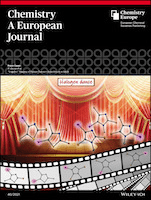
CHEMISTRY-A EUROPEAN JOURNAL
Catalyzing Progress in the Scientific CommunityCHEMISTRY-A EUROPEAN JOURNAL is a premier academic journal published by WILEY-V C H VERLAG GMBH, specializing in the diverse fields of chemistry and catalysis, with a distinguished focus on organic chemistry. Since its inception in 1995, the journal has established itself as an authoritative resource for researchers and professionals, currently classified in Q1 in Chemistry (miscellaneous) and Organic Chemistry, reflecting its high-quality contributions to the scientific community. With an impressive impact factor and robust Scopus rankings—#33 in Organic Chemistry and #26 in Catalysis—this journal serves as a vital platform for disseminating innovative research findings and critical advancements in chemical sciences. Although not an open-access journal, it provides valuable access options for institutions, ensuring wide reach and engagement within the scientific community. As it converges into 2024, CHEMISTRY-A EUROPEAN JOURNAL remains a key resource for anyone dedicated to advancing the frontiers of chemistry research.
INTERNATIONAL JOURNAL OF CHEMICAL KINETICS
Pioneering research in the realm of chemical kinetics.The INTERNATIONAL JOURNAL OF CHEMICAL KINETICS, published by Wiley, is a leading journal that covers significant advancements and fundamental research in the field of chemical kinetics. Established in 1969, this peer-reviewed journal not only emphasizes kinetics in solution and gas-phase reactions but also addresses theoretical approaches and experimental applications in various branches of chemistry including biochemistry, inorganic chemistry, organic chemistry, and physical chemistry. As of 2023, it holds a respectable Q2 ranking in Inorganic Chemistry and Q3 in the other chemistry categories, reflecting its substantial impact on the scientific community. With a commitment to disseminating high-quality research, the journal is an indispensable resource for researchers, educators, and students seeking to deepen their understanding of chemical dynamics. Its compilation of articles and reviews ensures that it remains a cornerstone for innovative studies and discussions within the field.
ADVANCED SYNTHESIS & CATALYSIS
Fueling innovation in chemical research.ADVANCED SYNTHESIS & CATALYSIS is a prestigious academic journal published by Wiley-VCH Verlag GmbH, based in Germany. This journal, with ISSN 1615-4150 and E-ISSN 1615-4169, plays a pivotal role in the fields of Chemistry and Chemical Engineering, earning commendable rankings such as Q2 in Catalysis and Q1 in Organic Chemistry in 2023. Its high impact factor and recognition—ranking #18 in both Organic Chemistry and Catalysis—further underscore its significance as a platform for groundbreaking research and innovative methodologies. Spanning from 1996 through 2024, ADVANCED SYNTHESIS & CATALYSIS aims to disseminate high-quality, cutting-edge studies related to synthetic processes and catalytic technologies, ensuring accessibility via their open access options. By fostering a vibrant scholarly community, this journal serves as an essential resource for researchers, professionals, and students dedicated to driving advancements in synthetic and catalytic chemistry.