CATALYSIS LETTERS
metrics 2024
Enhancing Knowledge in Catalysis and Chemistry
Introduction
CATALYSIS LETTERS, published by Springer, is a distinguished journal dedicated to presenting original research and review articles in the field of catalysis and its various applications. Serving the scientific community since 1988, this journal has continuously evolved, providing a platform for the dissemination of innovative findings that advance the understanding and development of catalytic processes. With an esteemed Q3 ranking in Catalysis and a Q2 ranking in miscellaneous Chemistry for 2023, CATALYSIS LETTERS underscores its relevance and impact within these critical fields. Although it does not offer open access, the journal remains a crucial resource for researchers, professionals, and students seeking to stay updated on contemporary advancements and discussions in catalysis. Its Scopus rankings further affirm its contribution to general chemistry and chemical engineering, making it an essential publication for those immersed in this dynamic area of study.
Metrics 2024
 0.532.302.50131
Metrics History
Rank 2024
Scopus
IF (Web Of Science)
JCI (Web Of Science)
Quartile History
Similar Journals
LETTERS IN ORGANIC CHEMISTRY
Connecting Minds in Organic ChemistryLETTERS IN ORGANIC CHEMISTRY is a distinguished journal published by Bentham Science Publishers Ltd, focusing on the rapidly evolving field of organic chemistry. Established in 2005, the journal commits itself to disseminating vital research findings, reviews, and innovative methodologies that contribute to the understanding and advancement of organic chemistry and biochemistry. With an ISSN of 1570-1786 and an E-ISSN of 1875-6255, this journal enhances accessibility and visibility for authors and readers alike, albeit not adopting an open-access model. Positioned within Q4 quartile rankings for both Biochemistry and Organic Chemistry, it serves a niche audience keen on exploring emerging trends and breakthroughs in these disciplines. Its Scopus rankings further reflect its role in the global academic landscape, albeit at the beginning stages of its impact journey. Based in the United Arab Emirates, LETTERS IN ORGANIC CHEMISTRY is dedicated to fostering dialogue among researchers and practitioners, paving the way for future innovations in organic and biochemical sciences.

CCS Chemistry
Pioneering Discoveries in the World of ChemistryCCS Chemistry, published by the esteemed Chinese Chemical Society, is a leading open-access journal dedicated to advancing the field of chemistry. Since its inception in 2019, the journal has rapidly gained recognition, achieving a remarkable impact factor that places it in the prestigious Q1 category in Chemistry (Miscellaneous) as of 2023. With a Scopus ranking of #41 out of 408 in General Chemistry, CCS Chemistry represents the top 10th percentile in its category, reflecting its commitment to high-quality research and innovation. The journal serves as a vital platform for researchers and professionals to share their findings, showcase cutting-edge methodologies, and engage with the latest developments in various chemistry subfields. Accessible to a global audience, CCS Chemistry ensures that groundbreaking research is available without barriers, making it an indispensable resource for students and academics aiming to stay at the forefront of chemical sciences. For further details, submissions, and access to published articles, please visit the journal's website.
JOURNAL OF CATALYSIS
Catalyzing Knowledge for a Sustainable FutureJOURNAL OF CATALYSIS, published by Academic Press Inc, Elsevier Science, is a premier peer-reviewed journal that has been at the forefront of research in catalysis since its inception in 1962. With an impressive impact factor and ranking in the top quartiles of both catalysis and physical and theoretical chemistry, the journal is highly regarded, currently holding the distinction of Q1 in both fields. The journal serves as a critical platform for disseminating groundbreaking research, innovative methodologies, and theoretical advancements, making it essential reading for researchers, professionals, and students alike. Although it does not operate under an open-access model, its robust content is accessible through institutional subscriptions, ensuring that significant findings in catalysis and related fields reach a wide audience. With convergence years extending to 2024, JOURNAL OF CATALYSIS continues to shape the discourse in catalysis and chemical engineering, encouraging scholarly exchange and collaboration worldwide.

RESEARCH ON CHEMICAL INTERMEDIATES
Unveiling Breakthroughs in Chemical ScienceRESEARCH ON CHEMICAL INTERMEDIATES, published by Springer, is a prestigious academic journal that has been contributing to the field of chemistry since 1984. With an ISSN of 0922-6168 and an E-ISSN of 1568-5675, this journal serves as a vital platform for the dissemination of innovative findings and research advancements related to chemical intermediates. Situated in the Netherlands, it has established a commendable reputation, currently ranked in the Q2 category for miscellaneous chemistry and positioned at #131/408 with a 68th percentile in the Scopus rankings. Though it does not operate under an open-access model, the journal plays a crucial role in connecting scientists, researchers, and practitioners to facilitate a better understanding of synthetic methods, characterizations, and applications of various chemical intermediates. Continually publishing high-quality research until its anticipated convergence in 2024, this journal is an essential resource for those looking to expand their knowledge and contribute to the vibrant community of chemical science.
ACS Catalysis
Transforming Ideas into Catalytic SolutionsACS Catalysis, published by the American Chemical Society, stands as a premier journal in the field of catalysis, offering a vital platform for researchers, professionals, and students focused on advancing the science of catalysis and its applications. With an impressive impact factor placing it in the Q1 category for both Catalysis and Chemistry (miscellaneous), this journal has established itself as a leading source of high-quality research findings, currently ranking #21 out of 408 in General Chemistry and #9 out of 68 in Catalysis according to Scopus. Since its inception in 2011, ACS Catalysis has aimed to publish innovative research that addresses the critical challenges in catalytic processes, advancing our understanding of both fundamental and applied aspects of catalysis. With a commitment to promoting open scientific discourse, it serves a vital role for those interested in the latest methodologies, discoveries, and trends in this essential discipline. Based in Washington, DC, ACS Catalysis continues to uphold the highest standards of scholarship and collaboration within the vibrant community of chemists and engineers worldwide.
Catalysts
Exploring the Frontiers of Catalysis and ChemistryCatalysts is a leading academic journal in the field of catalysis, published by MDPI since 2011 and well-regarded for its commitment to open access publishing. Based in Switzerland, this journal delivers innovative research and reviews that span various aspects of catalysis, from heterogeneous and homogeneous catalysis to the development of novel catalytic systems. With a commendable impact factor and a notable Q2 ranking in both Catalysis and Physical and Theoretical Chemistry categories, Catalysts plays a critical role in advancing the scientific discourse in these fields. The open-access model ensures that all research articles are readily accessible to researchers and professionals worldwide, fostering collaboration and accessibility to high-quality scientific literature. As the journal continues to publish cutting-edge studies up to its convergence in 2024, it remains an essential resource for anyone involved in catalysis research, from seasoned professionals to emerging scholars.
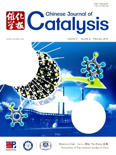
Chinese Journal of Catalysis
Leading the Charge in Cutting-Edge Catalysis ResearchWelcome to the Chinese Journal of Catalysis, a prestigious publication dedicated to advancing the field of catalysis. Published by Elsevier, this journal showcases groundbreaking research and developments in the chemistry of catalysis, emphasizing applications that address global challenges in energy, environment, and sustainability. Since its inception in 1996, the journal has gained recognition, achieving a remarkable impact factor and ranking in the top quartile (Q1) of both Catalysis and Chemistry disciplines as of 2023. With a Scopus ranking of #5 in Catalysis and #14 in General Chemistry, it serves as a vital resource for academia and industry professionals alike. Through its rigorous peer-review process, the journal disseminates high-quality research that not only fosters collaboration among scientists but also encourages innovation. Access to the journal is available through institutional subscriptions, ensuring wide-reaching dissemination of critical findings. Positioned within the vibrant research community in China and beyond, the Chinese Journal of Catalysis plays a pivotal role in shaping the future of catalytic science.
ADVANCED SYNTHESIS & CATALYSIS
Pioneering breakthroughs in synthesis and catalysis.ADVANCED SYNTHESIS & CATALYSIS is a prestigious academic journal published by Wiley-VCH Verlag GmbH, based in Germany. This journal, with ISSN 1615-4150 and E-ISSN 1615-4169, plays a pivotal role in the fields of Chemistry and Chemical Engineering, earning commendable rankings such as Q2 in Catalysis and Q1 in Organic Chemistry in 2023. Its high impact factor and recognition—ranking #18 in both Organic Chemistry and Catalysis—further underscore its significance as a platform for groundbreaking research and innovative methodologies. Spanning from 1996 through 2024, ADVANCED SYNTHESIS & CATALYSIS aims to disseminate high-quality, cutting-edge studies related to synthetic processes and catalytic technologies, ensuring accessibility via their open access options. By fostering a vibrant scholarly community, this journal serves as an essential resource for researchers, professionals, and students dedicated to driving advancements in synthetic and catalytic chemistry.
Theoretical and Experimental Chemistry
Charting New Paths in Chemical ResearchTheoretical and Experimental Chemistry is a well-respected journal published by SPRINGER, focusing on both theoretical models and experimental methods within the field of chemistry. Operating since 1965, this journal has established a rich history of contributing to the scientific community, with a converged publication history extending through 2024. Although it currently holds a Q3 ranking in the Chemistry (miscellaneous) category and a Scopus Rank of #286 out of 408 in General Chemistry, its reputation continues to grow in the academic realm, as it provides a platform for both emerging and established researchers to share their findings. The journal does not operate on an open access model, yet it offers valuable insights into diverse chemical research that can benefit professionals and students alike. Located in New York, USA, at ONE NEW YORK PLAZA, SUITE 4600, the journal aims to bridge theoretical insights with experimental validation, fostering a comprehensive understanding of contemporary chemical challenges.
CATALYSIS SURVEYS FROM ASIA
Transforming Chemistry with Cutting-edge Catalysis SurveysCATALYSIS SURVEYS FROM ASIA, published by Springer/Plenum Publishers, is a vital resource in the ever-evolving field of catalysis and chemistry. With a dedication to publishing innovative research and reviews from 2002 to 2024, this journal serves as a platform for the dissemination of significant findings that enhance our understanding of catalytic processes and their applications. Although its current impact factor is not explicitly listed, the journal holds a commendable Q3 ranking in Catalysis and Q2 ranking in Miscellaneous Chemistry within the prestigious Scopus database, indicating its relevance and quality among its peers. Open access options ensure that a broader audience can benefit from the research published, fostering collaboration and advancement in the field. By bridging the gaps between academic research and practical applications, CATALYSIS SURVEYS FROM ASIA is indispensable for researchers, professionals, and students committed to pushing the boundaries of catalytic science and technology.