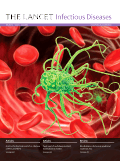
LANCET INFECTIOUS DISEASES
Scope & Guideline
Connecting Researchers to Combat Global Health Threats
Introduction
Aims and Scopes
- Infectious Disease Epidemiology:
The journal emphasizes research on the epidemiology of various infectious diseases, including the dynamics of disease transmission, outbreak investigations, and the impact of social determinants on disease spread. - Clinical Trials and Treatment Innovations:
It publishes studies on clinical trials evaluating new treatments, vaccines, and preventive strategies for infectious diseases, highlighting the efficacy and safety of novel therapeutic approaches. - Public Health and Policy:
The journal explores the implications of research findings for public health policy, including vaccination strategies, antimicrobial stewardship, and health system responses to epidemics and pandemics. - Global Health Perspectives:
It addresses the global burden of infectious diseases, with a focus on low- and middle-income countries, discussing challenges and successes in disease control and health equity. - Emerging Infectious Diseases:
The journal covers research on emerging and re-emerging infectious diseases, including zoonotic diseases, highlighting the need for continuous surveillance and rapid response mechanisms.
Trending and Emerging
- COVID-19 Research and Vaccination Strategies:
A substantial increase in publications related to COVID-19, including vaccine efficacy, long-term effects, and public health responses, has been observed as the pandemic continues to influence global health. - Innovative Treatment Approaches:
Emerging themes in novel treatment strategies utilizing monoclonal antibodies, antiviral therapies, and combination therapies for various infectious diseases are gaining prominence. - Global Health Security and Preparedness:
Research focusing on pandemic preparedness, surveillance systems, and global health security has surged, emphasizing the importance of readiness for future outbreaks. - Mental Health and Infectious Diseases:
There is a growing trend in exploring the intersection of mental health and infectious diseases, particularly in the context of the COVID-19 pandemic and its psychological impacts. - Antimicrobial Stewardship and Resistance Management:
Increased attention is being paid to antimicrobial stewardship programs and strategies to combat resistance, reflecting an ongoing commitment to addressing AMR as a public health threat.
Declining or Waning
- Antimicrobial Resistance (AMR):
Although AMR remains a critical issue, the frequency of dedicated publications on AMR has decreased, possibly due to the heightened focus on COVID-19-related research and other emerging infectious diseases. - Tuberculosis (TB) Research:
There has been a noticeable reduction in the number of studies specifically addressing tuberculosis, particularly in the context of treatment regimens and epidemiological studies, as other infectious diseases have gained more attention. - Neglected Tropical Diseases (NTDs):
Research focused on NTDs has waned, potentially overshadowed by more pressing global health crises such as COVID-19, leading to fewer dedicated articles on these diseases. - Vaccine Development for Established Diseases:
The journal has shifted focus towards COVID-19 vaccine research, resulting in fewer publications on vaccines for diseases like measles, mumps, and rubella, which were previously more prominently discussed. - Longitudinal Studies on Historical Diseases:
There has been a decline in the publication of longitudinal studies tracking historical infectious diseases, as newer outbreaks and emerging pathogens dominate the research landscape.
Similar Journals
Infectious Diseases and Therapy
Innovating solutions for a healthier tomorrow.Infectious Diseases and Therapy is a premier scholarly journal published by Springer London Ltd, dedicated to advancing the understanding of infectious diseases through rigorous research and evidence-based therapy. With an esteemed Q1 ranking in both the Infectious Diseases and Microbiology (medical) categories, this journal is a vital resource for researchers, healthcare professionals, and students aiming to stay at the forefront of developments within the field. Launched in 2012, it has embraced an Open Access model, ensuring that groundbreaking studies and critical reviews are accessible to a global audience. Operating from its office in London, the journal encourages the dissemination of innovative therapies and diagnostic methods, fostering collaboration and knowledge sharing among the scientific community. In a landscape where infectious diseases pose significant health challenges, Infectious Diseases and Therapy stands as an essential platform for impactful research that can lead to improved healthcare outcomes worldwide.

Infectious Disease Reports
Leading the charge in infectious disease research and collaboration.Infectious Disease Reports is a premier open-access journal published by MDPI, dedicated to advancing the field of infectious diseases. Since its inception in 2009, this journal has established itself as a significant platform for disseminating cutting-edge research, reviews, and case studies, critical for global health. With a commendable Q2 ranking in the category of Infectious Diseases and a Scopus rank of #140 out of 344, it is recognized for its impactful contributions to medical research, holding a 59th percentile in its field. The journal aims to provide comprehensive insights into various dimensions of infectious diseases, ranging from epidemiology to novel treatment modalities. As an open-access publication, Infectious Disease Reports ensures that its articles are freely available to a wide audience, fostering collaborative efforts among researchers, healthcare professionals, and students worldwide. With its ongoing commitment to excellence, the journal plays an essential role in shaping the future of infectious disease research.
Travel Medicine and Infectious Disease
Connecting health professionals to vital travel insights.Travel Medicine and Infectious Disease is a premier peer-reviewed journal published by Elsevier Science Ltd, dedicated to advancing the field of travel medicine and infectious disease research. With an impressive impact factor and a category ranking of Q1 in both Infectious Diseases and Public Health, Environmental and Occupational Health, this journal is recognized as a leading source of high-quality research and insights. Originating in 2003 and transitioning to an Open Access model in 2023, it aims to disseminate critical findings that enhance the understanding of health risks associated with travel, vaccination strategies, and infectious disease outbreaks. The journal’s Scopus rankings reflect its influence, with a rank of 7/665 in Public Health and 20/344 in Infectious Diseases. Researchers, healthcare professionals, and students will find this journal invaluable for staying informed on the latest trends and developments in travel-related health challenges.
Infectious Diseases
Fostering Global Collaboration in Infectious DiseasesInfectious Diseases, published by TAYLOR & FRANCIS LTD, is a leading academic journal dedicated to advancing research in the field of infectious diseases and microbiology. With an impressive impact factor and categorized in Q1 in multiple areas including Immunology and Microbiology, this journal serves as a critical platform for researchers, practitioners, and students to disseminate their findings and stay abreast of current advancements. The journal is recognized for its rigorous peer-review process and aims to foster innovation and collaboration across disciplines from 2015 to 2024. It boasts a robust Scopus ranking, positioning it favorably among the top-tier of journals in the relevant fields, making it an essential resource for anyone involved in infectious disease research. Access options are available, ensuring that the latest research is accessible to a global audience, thus emphasizing the journal's commitment to promoting knowledge and understanding in the ever-evolving landscape of infectious diseases.

EPIDEMIOLOGY AND INFECTION
Empowering Research for a Healthier TomorrowEPIDEMIOLOGY AND INFECTION is a premier open-access journal published by Cambridge University Press, dedicated to advancing the field of epidemiology and infectious diseases. With an ISSN of 0950-2688 and E-ISSN of 1469-4409, this journal has been at the forefront of disseminating impactful research since its inception in 1970. As of 2023, it holds a prestigious Q2 ranking in both the fields of Epidemiology and Infectious Diseases, reflecting its significant contribution to these critical areas of study, with Scopus rankings placing it at #70 in Epidemiology and #163 in Infectious Diseases. The journal aims to publish high-quality, peer-reviewed studies that contribute to our understanding and management of infectious diseases globally. Operating under an open-access model since 2020, EPIDEMIOLOGY AND INFECTION ensures that research is accessible to a wide audience, fostering collaboration and innovation among researchers, professionals, and students alike. With a commitment to excellence, this journal is an essential resource for those looking to stay abreast of the latest developments in epidemiological research and infectious disease management.
INFECTION
Transforming Research into Real-World SolutionsINFECTION is a prestigious journal, published by Springer Heidelberg, that serves as a leading platform for the dissemination of critical research in the fields of Infectious Diseases, Microbiology, and Medicine. With an impressive Q1 ranking in multiple categories such as Infectious Diseases, Medicine (miscellaneous), and Medical Microbiology, the journal is recognized for its high-quality content and impactful contributions to the scientific community, as evidenced by its Scopus rankings placing it in the top 10th percentiles. Since its inception in 1973, and projected to continue until 2024, INFECTION has established itself as a vital resource for researchers, healthcare professionals, and students keen to explore the latest findings and advancements in infectious diseases. The journal provides a rigorous peer-review process, ensuring that only high-quality studies are published, making it an essential read for those seeking to deepen their understanding and stay abreast of the rapidly evolving landscape in infection research.

ENFERMEDADES INFECCIOSAS Y MICROBIOLOGIA CLINICA
Connecting research and clinical insights in infectious disease management.ENFERMEDADES INFECCIOSAS Y MICROBIOLOGIA CLINICA is a prominent journal dedicated to the fields of infectious diseases and clinical microbiology, published by EDICIONES DOYMA S A in Spain. With an ISSN of 0213-005X and an e-ISSN of 1578-1852, the journal has been a cornerstone of research and scholarly communication since its inception in 1989. As of 2023, it holds a Q3 category ranking in Infectious Diseases, highlighting its significance in the field, alongside a Q4 ranking in the related area of Microbiology. Although the journal is not open access, it remains an essential resource for professionals, researchers, and students aiming to stay informed on advancements and studies that impact clinical practices in infectious diseases. With Scopus ranks indicating a percentile ranking in the 20th to 34th range across various sub-disciplines, ENFERMEDADES INFECCIOSAS Y MICROBIOLOGIA CLINICA continually contributes to the dialogue and development of science, fostering a deeper understanding of complex microbial interactions and disease mechanisms.
Current Infectious Disease Reports
Empowering Research in Infectious Disease ScienceCurrent Infectious Disease Reports, published by SPRINGER, is a leading journal dedicated to advancing knowledge in the field of infectious diseases. With an ISSN of 1523-3847 and an E-ISSN of 1534-3146, this peer-reviewed journal has established itself as a vital resource for researchers and healthcare professionals since its inception in 1999. The journal's impact in the academic community is underscored by its Q1 ranking in Infectious Diseases for 2023, placing it in the top quartile of influential journals in the field. Furthermore, it holds a respectable position at rank #95 out of 344 in the Scopus database, reflecting its substantial contribution to medicine and public health. While currently not an open access journal, it offers a wealth of articles covering the latest research, case studies, and reviews, making it an indispensable tool for those aiming to stay at the forefront of infectious disease science. As we navigate an era marked by emerging and re-emerging infectious threats, Current Infectious Disease Reports remains committed to providing high-quality, relevant research that supports evidence-based practice and informs future studies globally.
INFECTIOUS DISEASES IN CLINICAL PRACTICE
Bridging research and clinical practice for better health.INFECTIOUS DISEASES IN CLINICAL PRACTICE, published by Lippincott Williams & Wilkins, is a crucial resource in the field of infectious diseases and microbiology. With an ISSN of 1056-9103 and an E-ISSN of 1536-9943, this journal has been a platform for scholarly communication since its inception in 1992, now spanning over two decades of continuous publication. The journal primarily focuses on the latest research developments, case studies, and clinical practices relevant to infectious diseases, making it an indispensable tool for researchers, healthcare professionals, and students alike. Although it is currently categorized in the Q4 quartile for both Infectious Diseases and Medical Microbiology, it continues to strive for excellence and relevance in a rapidly evolving field. By facilitating open access to impactful articles (note: Open Access not applicable), the journal aims to enhance global understanding and management of infectious diseases, ensuring that practitioners are well-equipped to confront contemporary challenges in this critical area of public health. Situated in the United States at TWO COMMERCE SQ, 2001 MARKET ST, PHILADELPHIA, PA 19103, INFECTIOUS DISEASES IN CLINICAL PRACTICE plays an essential role in fostering academic discourse and advancing clinical knowledge.
Brazilian Journal of Infectious Diseases
Fostering collaboration for impactful health solutions.The Brazilian Journal of Infectious Diseases, published by Elsevier Brazil, is a premier open-access journal dedicated to advancing research and clinical practice in the field of infectious diseases. Since its inception in 2001, this journal has been pivotal in disseminating innovative studies and reviews that inform healthcare professionals and researchers alike. With an impressive impact factor reflected by its ranking in the second quartile for Infectious Diseases and third quartile for Medical Microbiology in 2023, the journal ranks #127 out of 344 in medicine – infectious diseases and #61 out of 140 in medical microbiology, showcasing its reputable standing in the scientific community. The Brazilian Journal of Infectious Diseases invites contributions that highlight significant findings, novel methodologies, and critical reviews aimed at enhancing patient care and public health initiatives. With an international readership and a focus on pressing issues in infectious diseases, it serves as an essential platform for knowledge exchange and collaboration among scholars and practitioners across Brazil and beyond. By reinforcing the importance of open access to scientific literature, this journal not only promotes transparency but also enhances the global discourse surrounding infectious diseases.