
LILI-ZEITSCHRIFT FUR LITERATURWISSENSCHAFT UND LINGUISTIK
metrics 2024
Advancing Knowledge in Literary and Linguistic Disciplines
Introduction
LILI-ZEITSCHRIFT FUR LITERATURWISSENSCHAFT UND LINGUISTIK is a prestigious academic journal published by J B METZLER in Germany, focusing on the diverse fields of Literature and Linguistics. With an ISSN of 0049-8653 and an E-ISSN of 2365-953X, this journal serves as a vital platform for scholars and practitioners to explore contemporary debates and theoretical advancements within these disciplines. It holds a noteworthy Impact Factor, reflecting its significance: categorized in Q3 for Linguistics and Language and Q1 for Literature and Literary Theory in 2023. Scopus rankings further affirm its role, situating it in the top 82nd percentile for Arts and Humanities, demonstrating its respected status among academic peers. Though it does not offer open access, its rigorous peer-review process ensures the publication of high-quality research from 2009 through 2024. With its commitment to advancing knowledge, LILI-ZEITSCHRIFT stands as a crucial resource for researchers, professionals, and students dedicated to the evolution of literary studies and linguistic inquiry.
Metrics 2024
 0.150.100.209
Metrics History
Rank 2024
Scopus
JCI (Web Of Science)
Quartile History
Similar Journals

MESTER
Exploring the Nexus of Language, Culture, and TheoryMESTER is a distinguished academic journal published by the UCLA College of Humanities, known for its commitment to advancing research in the fields of Cultural Studies, Linguistics and Language, and Literature and Literary Theory. With an ISSN of 0160-2764, this journal serves as a vital platform for scholars and professionals to disseminate innovative research and critical perspectives from diverse theoretical frameworks and cultural contexts. Although currently operating without an Open Access model, MESTER continues to uphold a rigorous peer-review process, ensuring that published articles maintain high academic standards. Recognized for its selective focus, MESTER holds a Q4 categorization in Cultural Studies and Linguistics, and Q3 in Literature and Literary Theory, situating it as a relevant, if emerging, voice within these disciplines. Housed within the significant repository of knowledge at UCLA, the journal beckons researchers, students, and practitioners to engage with its contributions to the humanities and build upon its foundations in cultural discourse.
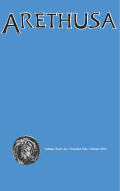
ARETHUSA
Connecting Scholars Through Rigorous Research and DebateARETHUSA, published by the Johns Hopkins University Press, is a prestigious journal that aims to foster dialogue and scholarship in the fields of Classics, Cultural Studies, and Literature and Literary Theory. Since its inception, it has been recognized for its profound impact on academic research, reflected in its Q2 rankings across multiple categories. With an ISSN of 0004-0975 and an E-ISSN of 1080-6504, ARETHUSA embraces a comprehensive scope that encourages innovative discourse and critical analysis from 1974 through to 2024. Although the journal does not offer open access, its rigorous selection process ensures that only the highest quality research is published, making it a vital resource for scholars, professionals, and students dedicated to advancing knowledge in these interconnected disciplines. The journal's commitment to excellence is further demonstrated by its standing in various Scopus rankings, reinforcing its significance in the scholarly community.
NEOPHILOLOGUS
Bridging Past and Present in Linguistic and Literary ScholarshipNEOPHILOLOGUS, published by Springer, stands as a pivotal journal in the fields of Linguistics and Language as well as Literature and Literary Theory. With an illustrious history dating back to 1916 and continuing through various phases until 2024, this journal has entrenched itself as a crucial platform for scholarly discussion and research dissemination. NEOPHILOLOGUS is recognized for its high academic standards, as evidenced by its impressive category quartiles, ranking in the Q2 tier for Linguistics and Language and Q1 for Literature and Literary Theory as of 2023. Notably, it ranks in the 81st percentile for Arts and Humanities in the Scopus database, underscoring its significant contribution to the humanities discourse. While the journal does not currently offer open access options, it remains a valuable resource for researchers, professionals, and students seeking in-depth analyses and insights within its specialized domains. Based in Dordrecht, Netherlands, NEOPHILOLOGUS invites contributions that advance our understanding of linguistic and literary phenomena, ensuring its relevance and impact in these dynamic fields.

Cadernos de Letras da UFF
Exploring the Depths of Language and HistoryCadernos de Letras da UFF is a prominent academic journal published by the Department of History at the Federal University of Fluminense in Brazil. Since its transition to Open Access in 2014, it has fostered a spirit of collaboration and dissemination in the field of Literature and Linguistics, welcoming contributions that explore various aspects of literary studies, historical literature contexts, and linguistic phenomena. With a commitment to quality and academic rigor, the journal serves as a vital resource for scholars, practitioners, and students engaged in the humanities. The journal is dedicated to the advancement of knowledge through innovative research and critical analyses, making it an essential platform for sharing ideas with a global audience. The journal is based in Niterói, RJ, Brazil, and is indexed in various academic databases, enhancing its visibility and impact within the scholarly community.

Swiat i Slowo
Navigating the Rich Tapestry of Human UnderstandingSwiat i Slowo is a distinguished academic journal published by UNIV BIELSKO-BIALA that plays a crucial role in the study of humanities and social sciences. Dedicated to exploring diverse themes such as literature, philosophy, and cultural studies, this journal serves as a platform for scholars to disseminate their research findings, engage in intellectual discourse, and foster collaboration across disciplines. With an increasing impact factor reflecting its growing relevance in the academic community, Swiat i Slowo is committed to providing access to a wide range of scholarly articles that enrich the understanding of human experience and societal dynamics. Although currently not an open access journal, it remains a valuable resource for researchers, professionals, and students looking to deepen their knowledge within the humanities. For more information and to access published issues, please visit the journal's website at UNIV BIELSKO-BIALA.

Romanic Review
Celebrating the Richness of Romance Literature and LinguisticsThe Romanic Review, published by Duke University Press, stands as a significant scholarly platform in the field of Romance languages and literature. With its ISSN 0035-8118 and E-ISSN 2688-5220, this journal has been serving the academic community since its inception and will continue its contribution until 2024. Situated in the United States, it has carved out a vital niche in the Arts and Humanities, currently falling within the Q3 quartile as per the 2023 rankings. Although it operates under a traditional subscription model, its focus on disseminating critical and innovative research makes it an indispensable resource for scholars and students alike. The Romanic Review is dedicated to fostering academic discussions that bridge interdisciplinary gaps, making it a cornerstone reference for anyone engaged in the study of Romance cultures, linguistics, and literary studies.
ROMANISCHE FORSCHUNGEN
Advancing Knowledge in Romance Language StudiesROMANISCHE FORSCHUNGEN, published by VITTORIO KLOSTERMANN GMBH, stands as a key scholarly journal in the fields of linguistics and literary studies, focusing particularly on Romance languages and literature. With an ISSN of 0035-8126 and an E-ISSN of 1864-0737, this journal is vital for researchers and scholars seeking to explore and advance their understanding of the nuances within Romance language studies. Operating from its base in Frankfurt am Main, Germany, ROMANISCHE FORSCHUNGEN features a robust publication history from 2002 to 2024. While currently categorized in Q4 within both Linguistics and Language and Literature and Literary Theory for 2023, the journal aims to cultivate a scholarly dialogue that bridges these disciplines, fostering an environment for innovative and critical inquiry. Although not an open-access journal, it serves as a crucial resource for professionals and students dedicated to Romance philology and comparative literature.

CRITICA LETTERARIA
Navigating the Complexities of Literature and TheoryCRITICA LETTERARIA is an esteemed literary journal published by Paolo Loffredo Iniziative Editoriali SRL that has been contributing to discussions in the field of literature and literary theory since its inception in 2009. With an ISSN of 0390-0142 and an E-ISSN of 2035-2638, this journal is indexed in Scopus, ranking in the category of Arts and Humanities under Literature and Literary Theory. It is classified in the Q4 quartile, indicating its dedication to serving a niche yet vital discourse within the broader literary community. Although currently not open access, the journal offers a platform for scholars, researchers, and students to engage with diverse literary analyses and theoretical advancements. Located in the vibrant city of Naples, Italy, CRITICA LETTERARIA aims to foster academic dialogue and promote innovative approaches in literary studies, making it an important resource for anyone passionate about navigating the complexities of literary narratives and theory.
ZEITSCHRIFT FUR FRANZOSISCHE SPRACHE UND LITERATUR
Illuminating the Nuances of French Language and Literary TheoryZEITSCHRIFT FUR FRANZOSISCHE SPRACHE UND LITERATUR, published by FRANZ STEINER VERLAG GMBH, serves as a notable platform for scholarly discourse in the fields of French language and literature. With an ISSN of 0044-2747 and an E-ISSN of 2366-2425, this German journal has established itself as a respected source for researchers, educators, and students alike who seek to deepen their understanding of linguistic and literary theory. Although it currently does not offer Open Access, its rigorous peer-reviewed articles contribute significantly to the discourse of the humanities. Despite its current Q4 ranking in Linguistics and Language, as well as in Literature and Literary Theory, the journal continues to strive towards enriching the academic landscape, encouraging innovative research and interdisciplinary approaches. With a history of converging from 1987, and recent publications making strides from 2018 to 2022, this journal appeals to those interested in exploring the nuances and complexities of French literature and linguistics, making it a valuable resource for advancing knowledge in these fields.

Dicenda-Cuadernos de Filologia Hispanica
Illuminating Contemporary and Historical PerspectivesDicenda-Cuadernos de Filologia Hispanica, published by UNIV COMPLUTENSE MADRID, SERVICIO PUBLICACIONES, is a distinguished academic journal in the fields of linguistics, literature, and literary theory. Since its transition to Open Access in 2017, it has facilitated unrestricted dissemination of knowledge, making it an invaluable resource for researchers, scholars, and students interested in the rich tapestry of Hispanic philology. With an impact factor reflected by its Scopus rankings—at Q3 in Linguistics and Language and Q2 in Literature and Literary Theory—Dicenda serves as a vital platform for innovative research and critical discourse. The journal actively encourages submissions that explore contemporary and historical perspectives within its scope. Located in Madrid, Spain, the journal has steadily established itself as a significant contributor to the ongoing dialogue in the humanities, fostering a deeper understanding of linguistic and literary phenomena.