
Linguas e Instrumentos Linguisticos
metrics 2024
Bridging Theory and Practice in Linguistic Studies
Introduction
Linguas e Instrumentos Linguisticos is a premier academic journal dedicated to the exploration and analysis of language and linguistic tools, published by RG EDITORA in collaboration with Universidade Estadual de Campinas (UNICAMP). With a focus on enhancing the understanding of linguistic structures and applications, this journal serves as a vital resource for researchers, professionals, and students interested in the dynamics of language within various contexts. Although currently not open access, it offers a wide array of scholarly articles that delve into innovative methodologies, theoretical frameworks, and empirical studies in linguistics. Operating out of São Paulo, Brazil, Linguas e Instrumentos Linguisticos fosters a rich academic dialogue and is committed to advancing the field of linguistic research, making it an essential read for anyone engaged in linguistic studies.
Metrics 2024
 -0.100.10-
Metrics History
Rank 2024
JCI (Web Of Science)
Quartile History
Similar Journals

LINGUISTIQUE
Advancing Research in Language StudiesLINGUISTIQUE, an esteemed journal published by PRESSES UNIV FRANCE, serves as a vital platform for scholarly discourse in the fields of linguistics and language studies. With its ISSN 0075-966X and E-ISSN 2101-0234, this French journal has been a significant contributor to the understanding of linguistic phenomena since its inception in 2004, and it continues its journey through to 2024. Although currently categorized in the Q4 quartile for both Arts and Humanities (miscellaneous) and Linguistics and Language, its commitment to publishing quality research encourages a diverse range of articles, reviews, and innovative studies. Positioned in the 32nd and 29th percentiles for its respective fields according to Scopus rankings, LINGUISTIQUE is dedicated to advancing knowledge and stimulating engagement among researchers, professionals, and students alike. While it does not offer open access, the journal remains an essential resource for those who seek to deepen their understanding of linguistic principles in a global context, facilitating a richer discourse that connects theory with practice.
Register Studies
Decoding the Complexity of Language UseRegister Studies is an innovative and vital journal dedicated to the exploration of linguistic registers and variability in language use across diverse contexts. Published by John Benjamins Publishing Co, this journal serves as an essential resource for researchers and professionals in the fields of linguistics, sociolinguistics, and communication studies. With its emphasis on empirical research and theoretical advancements, Register Studies aims to uncover the nuances of language in social interaction, providing a platform for high-quality scholarly work. Although specific accessibility options are not outlined, the journal adheres to rigorous academic standards and strives to contribute significantly to the understanding of language's role in society. By fostering an interdisciplinary dialogue, Register Studies equips students, researchers, and educators with the insights necessary to navigate and contribute to the ever-evolving landscape of language studies.

Lingua Italiana
Unveiling the Nuances of Italian Language and CultureLingua Italiana is a distinguished journal published by FABRIZIO SERRA EDITORE, dedicated to the exploration and advancement of the Italian language in both its literary and linguistic contexts. With its ISSN 1724-9074 and E-ISSN 1826-8080, Lingua Italiana aims to foster scholarly dialogue among researchers, professionals, and students invested in Italian studies, linguistics, and cultural discourse. Located in Pisa, Italy, the journal provides a platform for rigorous peer-reviewed articles that reflect the latest research, theoretical frameworks, and critical analyses. Although it operates under a subscription model, the journal remains an invaluable resource due to its commitment to quality content and comprehensive coverage of contemporary issues affecting the Italian language. By contributing to Lingua Italiana, authors can not only enhance their academic footprint but also engage with a global audience interested in rich linguistic heritage and its evolution.
WORD-JOURNAL OF THE INTERNATIONAL LINGUISTIC ASSOCIATION
Connecting researchers and educators in the world of language studies.WORD-JOURNAL OF THE INTERNATIONAL LINGUISTIC ASSOCIATION is a leading peer-reviewed journal dedicated to advancing the field of linguistics and language studies. Published by Routledge Journals, Taylor & Francis Ltd, this esteemed journal has earned a reputation for its rigorous scholarship, reflected in its 2023 Q2 ranking in Linguistics and Language and its solid performance in Scopus Ranks. Encompassing a wide range of topics—from theoretical frameworks to empirical research—WORD serves as an essential resource for linguistics researchers, educators, and students alike. While currently not operating under an open access model, the journal is committed to providing high-quality, impactful research articles that contribute significantly to the linguistic community. With its convergence periods from 1998 to 2009 and 2015 to 2024, WORD continuously fosters the discourse of language studies, ensuring that critical insights and discussions are accessible for ongoing academic exploration.

Cadernos de Estudos Linguisticos
Advancing linguistic frontiers through open dialogue.Cadernos de Estudos Linguisticos, published by UNIV ESTADUAL CAMPINAS, INST ESTUDOS LINGUAGEM, stands as a pivotal platform in the field of linguistic studies since its inception in 1978. With its commitment to Open Access, this journal fosters the dissemination of cutting-edge research, ensuring that knowledge is accessible to a global audience. This also enhances collaboration among researchers, professionals, and students dedicated to exploring the nuances of language. The journal proudly carries the ISSN 0102-5767 and E-ISSN 2447-0686, attesting to its uninterrupted quality and relevance in linguistic scholarship. By addressing various facets of language studies, including syntax, semantics, and sociolinguistics, this esteemed journal is a vital resource for advancing understanding and innovation in the field.
International Journal of Corpus Linguistics
Empowering Scholars to Decode LanguageThe International Journal of Corpus Linguistics, published by John Benjamins Publishing Co, is a premier academic journal dedicated to advancing the field of corpus linguistics. With an ISSN of 1384-6655 and an E-ISSN of 1569-9811, this journal serves as a pivotal platform for researchers and practitioners alike to explore the intricate relationships between language and corpora. Housed in the Netherlands and operating within the prestigious Q1 category in Linguistics and Language, the journal boasts impressive Scopus rankings, positioning it in the top percentiles of both Arts and Humanities and Social Sciences. Its commitment to rigorous peer-reviewed scholarship not only enhances understanding in the domain but also fosters collaboration among scholars. With coverage spanning from 1996 to 2024, the journal publishes cutting-edge research that contributes valuable insights into linguistic patterns and empirical studies. Whether you're an established researcher or a student embarking on your academic journey, the International Journal of Corpus Linguistics is an essential resource for anyone seeking to deepen their understanding of language through corpora.
Southern African Linguistics and Applied Language Studies
Advancing Linguistic Knowledge in Southern AfricaSouthern African Linguistics and Applied Language Studies is a prestigious journal dedicated to the exploration and analysis of linguistics and applied language studies within the Southern African context. Published by Taylor & Francis Ltd, this esteemed journal has established itself as a significant platform for scholars and practitioners since its inception in 2003. With an impressive Q2 ranking in the Linguistics and Language category and a current Scopus rank of #430 out of 1167, it occupies a vital position in the academic landscape, appealing to a diverse readership keen on linguistic research, language policy, and applied linguistics. While the journal is not currently open access, it provides comprehensive insights and scholarly articles that foster understanding and innovation in linguistic practices and language education. As of 2024, the journal continues to deepen its impact through rigorous peer-review and a commitment to advancing knowledge, making it a key resource for researchers, educators, and students seeking to navigate the complexities of language within the Southern African region and beyond.
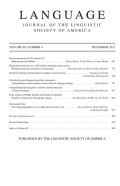
LANGUAGE
Unraveling the Intricacies of Language ScienceLANGUAGE, published by the Linguistic Society of America, is a premier academic journal dedicated to the rigorous study of linguistic theory and practice. With an ISSN of 0097-8507 and E-ISSN 1535-0665, this esteemed journal has established itself as a leading publication in the field of linguistics since its inception. The journal has consistently maintained a high impact factor, being ranked in the Q1 category in Linguistics and Language for 2023, placing it among the top tier of academic journals. Notably, it also holds impressive Scopus rankings, being positioned at #75 out of 1088 in Arts and Humanities, and #89 out of 1167 in Social Sciences, demonstrating a significant impact and reach in the discipline. While it is not an open-access journal, LANGUAGE provides crucial insights into linguistic research, fostering a vibrant academic community. Spanning years from 1996 to 2024, it continues to be an essential resource for researchers, professionals, and students alike, aiming to advance the understanding of language in its myriad forms and functions.
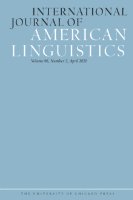
INTERNATIONAL JOURNAL OF AMERICAN LINGUISTICS
Advancing the Frontiers of American Linguistics.The INTERNATIONAL JOURNAL OF AMERICAN LINGUISTICS, published by University of Chicago Press, is a revered scholarly publication dedicated to the exploration and advancement of linguistic studies, particularly those related to the American linguistic landscape. With an ISSN of 0020-7071 and an E-ISSN of 1545-7001, this journal serves as a vital platform for researchers, professionals, and students interested in the nuances of language, dialects, and linguistic structures through rigorous academic inquiry. The journal has established a commendable impact, reflected in its ranking within the Q2 category in Linguistics and Language and its placements in the Scopus rankings, thereby positioning itself within the 50th to 53rd percentile of its respective fields. While the journal does not provide Open Access options, it continues to be a cornerstone resource for those seeking to expand their understanding of American linguistics, already converging from 1996 to 2024. Through its continued commitment to excellence, this publication remains essential for those aiming to contribute significantly to the field.

Glossa-A Journal of General Linguistics
Exploring the Frontiers of Linguistic KnowledgeGlossa: A Journal of General Linguistics, published by the Open Library of Humanities, stands as a leading voice in the realm of linguistic research since its inception in 2016. With its Q1 category ranking in Linguistics and Language and impressive Scopus ranks encompassing the top 83rd and 81st percentiles in its respective fields, Glossa fosters a vibrant academic community committed to the rigorous exploration of language and linguistic theory. Operating under an open access model, the journal not only enhances the visibility of groundbreaking research but also ensures that valuable insights are accessible to a global audience. The journal's commitment to interdisciplinary dialogue makes it an indispensable resource for scholars, professionals, and students eager to engage with contemporary developments in linguistics. As it converges into 2024, Glossa continues to champion innovative scholarship and critical discourse that challenges conventional boundaries within the field.