
Living Reviews in Relativity
metrics 2024
Where Relativity Meets Continuous Discovery
Introduction
Living Reviews in Relativity, published by SPRINGER INT PUBL AG, stands at the forefront of the field of relativity, offering a dynamic platform for the dissemination of high-quality, peer-reviewed research. Since its inception in 1998, this Open Access journal has committed to providing continuous updates and comprehensive reviews, making it an indispensable resource for researchers and scholars in the categories of Physics and Astronomy, where it holds a prestigious Q1 ranking. With its impressive Scopus ranking of #1 out of 81 in the Physics and Astronomy (miscellaneous) category, it boasts a remarkable 99th percentile ranking, underscoring its significance in advancing scientific discourse. Operating out of Switzerland, Living Reviews in Relativity serves as a vital conduit for sharing knowledge and insights, fostering collaborative research, and promoting timeless discussions in the ever-evolving landscape of relativistic physics.
Metrics 2024
 10.1926.3037.9093
Metrics History
Rank 2024
Scopus
IF (Web Of Science)
JCI (Web Of Science)
Quartile History
Similar Journals
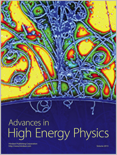
Advances in High Energy Physics
Empowering Discoveries in Nuclear Physics and BeyondAdvances in High Energy Physics, published by HINDAWI LTD, is a premier open-access journal dedicated to the progressive field of Nuclear and High Energy Physics. With an ISSN of 1687-7357 and an E-ISSN of 1687-7365, this journal has been at the forefront of scientific discourse in high energy physics since its inception in 2007. The journal is notable for its impact within the community, currently holding a Q2 ranking in 2023 and positioned at #36 out of 87 in its category according to Scopus, highlighting its significant contribution to ongoing research and advancement in the field. Its accessible nature enables researchers, professionals, and students to engage with cutting-edge findings that shape our understanding of the universe. Spanning publications from 2010 through 2024, Advances in High Energy Physics serves as an invaluable resource for those looking to stay informed about the latest developments and methodologies in high energy physics across the globe.
FORTSCHRITTE DER PHYSIK-PROGRESS OF PHYSICS
Unveiling Breakthroughs in Physics and AstronomyFORTSCHRITTE DER PHYSIK-PROGRESS OF PHYSICS, published by WILEY-V C H VERLAG GMBH, is a prestigious academic journal esteemed within the field of physics. With a history spanning over seven decades since its inception in 1953 and a converged publication up until 2024, this journal has established itself as a leading source for groundbreaking research and developments across diverse domains in physics and astronomy. Holding an influential Q1 ranking in the 2023 category of Physics and Astronomy (miscellaneous), it serves as an essential platform for disseminating high-quality research findings and theoretical advancements. Although not an Open Access publication, FORTSCHRITTE DER PHYSIK provides access to critical insights and scholarly discussions that are pivotal for researchers, professionals, and students alike. The journal is committed to contributing to the evolution of knowledge in physics, supporting the academic community through rigorous peer-reviewed articles, reviews, and innovative studies.
Chinese Physics C
Pioneering Research for Tomorrow's DiscoveriesChinese Physics C is a premier, peer-reviewed journal published by IOP Publishing Ltd, dedicated to advancing knowledge in the fields of Astronomy and Astrophysics, Instrumentation, and Nuclear and High Energy Physics. With an impressive impact factor reflecting its standing in the Q1 quartile across multiple categories, this journal serves as a vital resource for researchers, professionals, and students seeking to engage with cutting-edge developments and experimental findings. Since its inception in 2008, Chinese Physics C has fostered significant collaborations and discussions within the global physics community, enabling easy access to high-quality research through its open access options. Operating from the United Kingdom with a commitment to excellence, this journal not only showcases high-impact papers but also encourages innovative methodologies and interdisciplinary approaches, solidifying its role as an essential platform for dissemination and dialogue in the rapidly evolving landscape of physics.
Gravitation & Cosmology
Unraveling Cosmic Dynamics and Gravitational ForcesGravitation & Cosmology is a vital academic journal founded to explore the profound concepts of gravitation and the dynamics of the universe. Published by MAIK NAUKA/INTERPERIODICA/SPRINGER, this journal features a comprehensive range of research articles, reviews, and theoretical insights that advance the field of astronomy and astrophysics. With a current impact factor reflective of its esteemed contribution, Gravitation & Cosmology operates within the upper tier of its discipline, classified as Q3 in Astronomy and Astrophysics for 2023. Although not an open-access publication, the journal fosters a vibrant community of scholars and practitioners by providing rigorous peer-reviewed content accessible through various academic platforms. Covering converged years from 2008 to 2024, this journal serves as an indispensable resource for anyone keen on deepening their understanding of gravitational phenomena and cosmological theories. Researchers, professionals, and students alike will find valuable insights and innovative research that push the boundaries of contemporary astrophysical knowledge.

Physics of the Dark Universe
Pioneering Research in AstrophysicsPhysics of the Dark Universe is a premier academic journal published by Elsevier, dedicated to advancing the understanding of dark matter, dark energy, and their implications for the universe. With its ISSN N/A and E-ISSN 2212-6864, the journal has established a notable presence since its inception in 2012, operating out of Amsterdam, Netherlands. As evidenced by its impressive impact factor and its ranking in the top quartile in both Astronomy and Astrophysics (Q1) and Space and Planetary Science (Q1) categories for 2023, this journal is a vital resource for researchers and practitioners within these fields. In the latest Scopus ranks, it ranks #12 out of 104 in Earth and Planetary Sciences and #13 out of 90 in Physics and Astronomy, placing it in the 88th and 86th percentiles respectively, underlining its academic significance. The journal is not Open Access, yet it plays an essential role in disseminating high-quality research that pushes the boundaries of knowledge about the cosmos and its most enigmatic components. Researchers, professionals, and students interested in the forefront of astrophysics will find this journal an indispensable tool for staying abreast of emerging discoveries and ongoing debates.
Universe
Unveiling the Wonders of the Universe Through Research.Universe is a distinguished peer-reviewed journal published by MDPI, specializing in the dynamic fields of Physics and Astronomy. Established in 2015, this Open Access journal has rapidly gained recognition, achieving a prestigious Q1 quartile ranking in its category as of 2023. With its E-ISSN 2218-1997, the journal primarily serves the international scientific community, offering a platform for researchers to disseminate innovative ideas and findings. Based in Switzerland, Universe covers a wide range of topics within astronomy and astrophysics, ensuring that cutting-edge research is accessible to an ever-growing audience. Its commitment to open access principles since its inception allows for unrestricted dissemination of knowledge, fostering a collaborative environment essential for scientific advancement. By aligning its objectives with the promotion of high-quality research and interdisciplinary discourse, Universe stands as a vital resource for academics, professionals, and students aiming to contribute to and engage with the ever-evolving landscape of astronomical research.
COMMUNICATIONS IN THEORETICAL PHYSICS
Exploring innovative ideas in theoretical physics.COMMUNICATIONS IN THEORETICAL PHYSICS is a distinguished journal published by IOP Publishing Ltd, focusing on the broad and evolving field of theoretical physics. With an ISSN of 0253-6102 and an E-ISSN of 1572-9494, this journal provides a platform for the dissemination of innovative research that contributes to the understanding of complex physical concepts. Situated in the United Kingdom, it has established itself as a pivotal resource from 1996 to 2024, achieving a commendable Q2 ranking in the category of Physics and Astronomy (miscellaneous) for 2023. With a Scopus ranking of #18 out of 81 in its category, demonstrating a 78th percentile, this journal plays a crucial role in enhancing scholarly communication among researchers, professionals, and students alike. Although it does not currently offer Open Access options, the journal's comprehensive scope and commitment to high-quality peer-reviewed research underline its significance in the scientific community, making it an essential reading for anyone engaged in theoretical physics.
Nature Astronomy
Exploring the Cosmos: Where Pioneering Research Meets Stellar Insights.Nature Astronomy, published by NATURE PORTFOLIO, stands at the forefront of the field of Astronomy and Astrophysics. Since its inception in 2016, this esteemed journal has rapidly ascended to a prestigious position, achieving a Q1 ranking in the Astronomy and Astrophysics category and securing an impressive 6th place out of 90 journals in the Scopus rankings, placing it in the 93rd percentile. With a focus on disseminating pioneering research, Nature Astronomy provides a vital platform for the dissemination of high-quality, impactful findings across various aspects of astronomical science. Researchers, professionals, and students alike will find a wealth of knowledge and innovative perspectives within its pages, enabling them to stay ahead in a rapidly evolving field. Although it does not offer open access, the journal's commitment to excellence and its influence in shaping the future of astronomical research make it an indispensable resource for anyone serious about advancing their understanding of the cosmos.
BRAZILIAN JOURNAL OF PHYSICS
Championing High-Quality Research in PhysicsBRAZILIAN JOURNAL OF PHYSICS, published by SPRINGER, is a prominent platform dedicated to the dissemination of research within the realm of physics and astronomy. With an ISSN of 0103-9733 and E-ISSN of 1678-4448, this esteemed journal has been contributing to the field since its inception in 1996, and it continues to be pivotal in showcasing innovative studies and breakthroughs. The journal is categorized in the Q4 quartile for the year 2023, reflecting a dedicated focus on advancing knowledge across a variety of disciplines, particularly in general physics and astronomy, where it ranks 126th out of 243 in Scopus rankings. Although it currently does not operate under an open-access model, it remains an invaluable resource for researchers, professionals, and students eager to enhance their understanding of complex physical principles and developments. The journal is committed to promoting high-quality research, bridging gaps in knowledge, and fostering collaboration within the global physics community.
INTERNATIONAL JOURNAL OF THEORETICAL PHYSICS
Advancing Knowledge in Mathematics and PhysicsInternational Journal of Theoretical Physics is a premier academic journal dedicated to the advancement of knowledge in the fields of theoretical physics and mathematics. Published by Springer/Plenum Publishers, this esteemed journal has been a vital platform for researchers since its inception in 1968. With an impressive track record and an emphasis on high-quality, innovative research, the journal currently ranks in the third quartile (Q3) in both the Mathematics (Miscellaneous) and Physics and Astronomy (Miscellaneous) categories as of 2023. While the journal is not open access, it offers accessible subscription options for institutions and individuals. The International Journal of Theoretical Physics serves as an essential resource for scholars and practitioners looking to deepen their understanding and contribute to the evolving landscape of theoretical research, making it a key player in nurturing academic discourse and fostering collaboration in its field.