
Lubricants
metrics 2024
Connecting global researchers to revolutionize lubrication technology.
Introduction
Lubricants, published by MDPI, is a prestigious, peer-reviewed open-access journal that has been dedicated to advancing the field of lubrication technology since its launch in 2013. With its E-ISSN of 2075-4442, the journal is based in Switzerland and has rapidly established itself as a vital resource in the domains of Mechanical Engineering and Materials Science, achieving Q2 quartile rankings in both fields as of 2023. Lubricants provides a platform for the dissemination of innovative research, offering insights into the performance, formulation, and applications of lubricants across various industries. With a commitment to fostering collaboration and knowledge-sharing, this journal attracts a global audience of researchers, professionals, and students eager to explore the latest developments in lubrication technologies. Open access since its inception, Lubricants ensures that all published works are freely available, promoting greater visibility and accessibility of cutting-edge research in the field.
Metrics 2024
 -3.103.10-
Metrics History
Rank 2024
IF (Web Of Science)
JCI (Web Of Science)
Quartile History
Similar Journals
Tribology-Materials Surfaces & Interfaces
Pioneering research at the intersection of engineering and materials science.Tribology-Materials Surfaces & Interfaces is a leading journal dedicated to advancing the field of tribology, leveraging insights into materials, surfaces, and interface interactions. Published by SAGE Publications Inc in the United Kingdom, this journal plays a pivotal role in disseminating high-quality research, providing a platform for both foundational and applied studies in mechanical engineering and materials science. With an impact factor reflecting its significance, ranking in the third quartile for both Materials Science and Mechanical Engineering, it caters to a diverse audience including researchers, industry professionals, and students. Although it currently does not offer open access, the journal endeavors to periodically review and publish innovative studies that enhance understanding of tribological phenomena, thereby contributing to the development of advanced materials and engineering solutions. Since its inception in 2007, Tribology-Materials Surfaces & Interfaces has consistently presented cutting-edge findings, thereby cementing its position as an essential resource for anyone engaging in tribological research.
Lubrication Science
Advancing tribology for a sustainable future.Lubrication Science is a premier journal dedicated to advancing the field of tribology, focusing on the study and application of lubricants, lubrication methods, and their impacts in materials science. Published by WILEY, this journal serves as a critical platform for researchers and industry professionals alike, providing innovative insights and findings since its inception in 1988. With an ISSN of 0954-0075 and E-ISSN 1557-6833, the journal has established a commendable reputation in the academic community, holding a Q2 ranking in Materials Chemistry and a Q3 ranking in Surfaces, Coatings and Films as of 2023. Despite its recent emergence as a competitive publication, evidenced by its 47th percentile rankings in both subfields, Lubrication Science continuously seeks to bridge gaps in knowledge and foster collaboration among researchers. Its commitment to quality research is reflected in its detailed reviews and timely publication of original research articles. Although not an open-access journal, it remains an essential resource for anyone looking to keep abreast of the latest advancements and applications in lubrication technology, making significant contributions to sustainability and innovation in materials science.

Tribology Online
Unlocking the potential of materials with cutting-edge research.Tribology Online, published by the Japan Society of Tribologists, is a dynamic open-access journal dedicated to the domain of tribology, encompassing research on surfaces, coatings, and films. Launched in 2013, this journal serves as a crucial platform for disseminating innovative findings in the field, highlighting its commitment to advancing knowledge and practice in tribological science. With an impact factor that places it in the Q3 quartile for the category of Surfaces, Coatings and Films, Tribology Online ranks 93rd out of 132 journals in its field, reflecting a growing engagement from the academic community. Open access since 2017, the journal promotes wide accessibility to research trends and technological advancements, making it an essential resource for researchers, professionals, and students pursuing cutting-edge developments in material sciences. Based in Tokyo, Japan, it aims to connect global experts and contribute to the evolution of tribological knowledge.
Advances in Mechanical Engineering
Advancing Knowledge, Engineering the FutureAdvances in Mechanical Engineering is a premier open-access journal published by SAGE Publications Ltd, dedicated to the advancement of theoretical and applied research in the field of mechanical engineering. With an ISSN of 1687-8132 and an E-ISSN of 1687-8140, this journal has been a vital resource for scholars and practitioners since its inception in 2009. Housed in the United States, it operates under a commitment to ensure free and immediate access to its high-quality content, enhancing collaboration and innovation across the global engineering community. With a noteworthy Q2 ranking in the mechanical engineering category and a solid Scopus rank placing it in the 59th percentile, the journal serves as an influential platform for cutting-edge research, theoretical advancements, and comprehensive reviews. As the field evolves, Advances in Mechanical Engineering continues to cater to the rigorous needs of researchers, professionals, and students, striving to transform knowledge into tangible engineering solutions. This journal's commitment to excellence makes it a significant contributor to the mechanical engineering field, encouraging dynamic discussions and implications for the future.
MATERIALS SCIENCE
Shaping the Future of Materials Engineering.MATERIALS SCIENCE, a prominent journal published by SPRINGER, serves as a vital resource for researchers, professionals, and students in the fields of materials science, mechanical engineering, and condensed matter physics. With its ISSN 1068-820X and E-ISSN 1573-885X, this journal has been dedicated to sharing innovative research since its inception in 1993, and it continues to publish groundbreaking findings through 2024. Although it operates as a traditional subscription-based journal, its ranking in the Q3 quartile across multiple scientific categories, including Condensed Matter Physics, Materials Science, Mechanical Engineering, and Mechanics of Materials, signifies its relevance and impact in the academic community. Notably, its Scopus classifications reveal a competitive standing among its peers, ranking within the 25th to 33rd percentiles across various engineering and physics disciplines. The journal remains a key platform for disseminating valuable insights, fostering collaboration, and advancing the understanding of materials science.
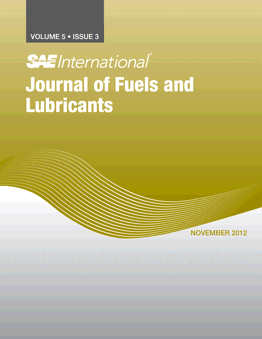
SAE International Journal of Fuels and Lubricants
Exploring Sustainable Pathways in Fuel TechnologyWelcome to the SAE International Journal of Fuels and Lubricants, a leading peer-reviewed publication dedicated to advancing knowledge in the crucial fields of fuel technology and lubrication science. Published by SAE International, this journal serves as a vital resource for researchers, industry professionals, and students engaged in the study and application of innovative fuels and lubricants. With an impact factor indicative of its importance, the journal is ranked in the Q3 category for both Fuel Technology and Pollution, highlighting its critical role in addressing global energy and environmental challenges. Covering a range of topics from fundamental research to practical applications, the journal not only contributes to academic discourse but also serves to inform industry practices. Our publication spans the converged years from 2009 to 2024, reflecting a commitment to continuous scholarly contribution. While currently operating under a traditional access model, the journal aims to foster an inclusive environment for discourse in the rapidly evolving fields of energy and environmental science.
PROCEEDINGS OF THE INSTITUTION OF MECHANICAL ENGINEERS PART C-JOURNAL OF MECHANICAL ENGINEERING SCIENCE
Empowering the engineering community with pivotal research findings.PROCEEDINGS OF THE INSTITUTION OF MECHANICAL ENGINEERS PART C - JOURNAL OF MECHANICAL ENGINEERING SCIENCE, published by SAGE Publications Ltd, stands as a pivotal resource in the field of mechanical engineering, encompassing a wide array of topics from advanced materials to fluid dynamics and system design. With an impact factor reflective of its esteemed reputation, as indicated by its Q2 ranking in the Mechanical Engineering category, this journal serves as a vital forum for researchers, practitioners, and students alike. The journal boasts a rich history, converging research from 1983 to 2024, showcasing innovations and advancements that shape the mechanical engineering landscape. Although it is not an open-access publication, the insights and studies published herein provide invaluable contributions to the engineering community, fostering knowledge exchange and collaborative advancements. Researchers seeking a platform for their pioneering work will find Part C an ideal venue to disseminate their findings and engage with peers in this dynamic field.
Advances in Tribology
Empowering the Future of Mechanical EngineeringAdvances in Tribology is a premier open access journal published by HINDAWI LTD, focused on the rapidly evolving fields of tribology, mechanical engineering, and materials science. Since its inception in 2008, the journal has provided a crucial platform for researchers, professionals, and students to disseminate knowledge and advancements in the understanding of friction, wear, and lubrication phenomena. With an impact factor reflective of its significance, Advances in Tribology is ranked in the Q3 category for both Mechanical Engineering and Surfaces, Coatings, and Films as of 2023, situating it among the prominent journals in its field. The journal's commitment to high-quality research is evident in its rigorous peer-review process and its dedication to fostering open access, allowing for widespread dissemination of impactful research. Published in Egypt with global reach, this journal aims to bridge the knowledge gap in tribological applications and innovations, serving as a key resource for those engaged in the study and application of surface interactions.

Surface Topography-Metrology and Properties
Pioneering research at the interface of surfaces and coatings.Surface Topography-Metrology and Properties is an esteemed journal published by IOP Publishing Ltd, dedicated to advancing the field of surface metrology and its interrelation with material properties. With an ISSN of 2051-672X, this journal serves as a pivotal platform for researchers, professionals, and students engaged in the study of surfaces and coatings, particularly in disciplines such as Instrumentation, Materials Chemistry, and Process Chemistry and Technology. The journal maintains a strong academic presence with notable Category Quartile rankings, including Q2 in Materials Chemistry and Surfaces, Coatings and Films, and Q3 in other relevant fields. Although the journal operates under a subscription model, it offers valuable insights and findings that are crucial for advancing technologies reliant on surface characteristics and functionalities. Since its inception in 2013, the journal has continued to publish high-quality research up to the present day, catering to the ongoing needs of the scientific community and contributing significantly to the discourse in surface science.

Jurnal Tribologi
Connecting academia and industry through cutting-edge tribological insights.Jurnal Tribologi, published by the MALAYSIAN TRIBOLOGY SOC-MYTRIBOS, stands as a pivotal platform for research in the interdisciplinary field of tribology—focusing on the friction, wear, and lubrication of materials. Established in Malaysia and embracing Open Access since 2014, this journal serves a diverse readership and enables worldwide accessibility to cutting-edge research. With an ISSN of 2289-7232, it is indexed across various categories, achieving a commendable Q3 ranking in materials chemistry, mechanical engineering, and several other pertinent fields for 2023. The journal’s commitment to advancing knowledge in its domain is reflected in its circulation of valuable research findings and innovative methodologies, vital for both academic and industry professionals. Researchers, students, and practitioners alike will find Jurnal Tribologi an essential resource, advancing their understanding and application of tribological systems from 2019 to 2024 and beyond.