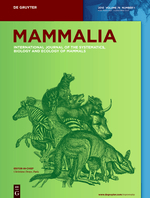
MAMMALIA
metrics 2024
Exploring the depths of mammalian biology.
Introduction
MAMMALIA, published by Walter de Gruyter GmbH, is a renowned academic journal founded in 1936 that serves as a pivotal resource for researchers and professionals in the fields of Animal Science and Zoology as well as Ecology, Evolution, Behavior and Systematics. With an ISSN of 0025-1461 and an E-ISSN of 1864-1547, this journal has made significant contributions to mammalian research over the decades and continues to be pivotal in advancing knowledge within the scientific community. MAMMALIA is indexed in prominent databases, boasting a current Scopus ranking that places it within the upper echelons of the Q2 category in Animal Science and Zoology, and Q3 in Ecology, Evolution, Behavior and Systematics. Although it does not offer open access, the journal remains accessible through various academic institutions, ensuring that valuable research findings are disseminated widely. The journal’s commitment to quality and excellence in the study of mammals aligns with its high impact within the field, engaging a diverse readership that includes researchers, students, and professionals dedicated to furthering the understanding of mammalian biology. For more information, visit their office located at Genthiner Strasse 13, D-10785 Berlin, Germany.
Metrics 2024
 0.400.801.0042
Metrics History
Rank 2024
Scopus
IF (Web Of Science)
JCI (Web Of Science)
Quartile History
Similar Journals
TURKISH JOURNAL OF ZOOLOGY
Bridging Research and Innovation in ZoologyThe TURKISH JOURNAL OF ZOOLOGY, published by the esteemed Tubitak Scientific & Technological Research Council Turkey, serves as a pivotal platform for the dissemination of research in the field of zoology and animal science. With an ISSN of 1300-0179 and an E-ISSN of 1303-6114, this journal has been contributing to the scientific community since its inception in 1994 and will continue to do so through 2024. Renowned for its scientific rigor, the journal holds a Q3 ranking in the 2023 category of Animal Science and Zoology, placing it within the prominent ranks of Scopus with a current percentile of 56, and an overall rank of 214 out of 490 in its domain. As an essential resource for researchers, professionals, and students, the journal prioritizes quality research, fostering knowledge exchange and collaboration among scholars worldwide. With its commitment to advancing understanding in zoological sciences, the TURKISH JOURNAL OF ZOOLOGY stands as a significant contribution to the global scientific dialogue.
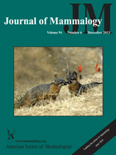
JOURNAL OF MAMMALOGY
Pioneering Research in Mammalogy and ConservationJournal of Mammalogy, published by Oxford University Press Inc, is a premier journal dedicated to the field of mammalogy, providing a key platform for researchers and professionals interested in the biology, ecology, and conservation of mammals. With a prestigious impact factor reflected in its Q1 ranking in Animal Science and Zoology, and multiple Q2 rankings in related categories such as Ecology and Genetics for 2023, this journal is recognized for its significant contribution to advancing knowledge in the discipline. The journal features rigorous peer-reviewed articles, ensuring high-quality research output valuable for students, academia, and conservation efforts alike. While not an open-access journal, it offers comprehensive subscription options for institutions and individual readers, promoting accessibility to critical findings in the realm of mammal research. Established in the earlier years of the 20th century, the Journal of Mammalogy has continuously evolved, serving as an integral resource for disseminating innovative studies and insights that drive the future of mammalian sciences.

ZOOLOGICHESKY ZHURNAL
Unveiling the mysteries of behavior and systematics in the animal kingdom.Zoologichesky Zhurnal, a prominent journal in the field of Ecology, Evolution, Behavior and Systematics, has been a vital publication since its inception in 1950. Published by MAIK Nauka-Interperiodica in the Russian Federation, this journal has established a notable reputation in disseminating scientific research and advancing knowledge in zoology. With its coverage spanning from 1950 to 2023, and a specific convergent focus during 1982-1983, this journal contributes significantly to the ecological and evolutionary sciences, even though it currently holds a Q4 classification in the 2023 category quartiles, indicating its niche positioning among peers. Researchers and students engaged in the study of biological sciences, particularly those interested in the dynamics of ecosystems, behavior of species, and evolutionary processes, will find valuable insights and original research articles within its pages. While access to this esteemed journal is not open, it remains an essential resource for those seeking to deepen their understanding of zoological sciences.
AMERICAN FERN JOURNAL
Unveiling the Secrets of Fern BiodiversityAMERICAN FERN JOURNAL, published by AMER FERN SOC INC, is a pivotal resource for researchers and enthusiasts in the fields of Ecology, Evolution, Behavior, and Plant Science. With a publication history dating back to 1993 and extending through 2024, this journal serves as a critical platform for the dissemination of knowledge related to ferns and lycophytes, contributing significantly to taxonomic and ecological studies. While it currently holds a Q4 rank in Ecology, Evolution, Behavior and Systematics and a Q3 rank in Plant Science, the journal continually strives to improve its relevance and impact within the scientific community. Researchers can access its valuable content through conventional subscription models, providing curated articles that advance the understanding of fern biodiversity and conservation. This journal is essential for anyone devoted to the exploration and preservation of these vital plant groups, offering insights that are not only relevant to academic circles but also inspire the broader public to appreciate the beauty and importance of ferns in our ecosystems.
ZOOLOGY
Pioneering discoveries in the world of animals.ZOOLOGY, an esteemed journal published by Elsevier GmbH, stands at the forefront of research in the Animal Science and Zoology fields. With a notable impact factor and recognized as a Q1 category journal in its discipline, ZOOLOGY is highly regarded among researchers, ranking #98 out of 490 in Scopus rankings. Founded in 1994 and continuing through to 2024, the journal aims to publish cutting-edge, peer-reviewed articles that contribute significantly to the understanding of zoological sciences. Based in Munich, Germany, ZOOLOGY provides both subscription and open access options, ensuring that influential research reaches a wider audience. It serves as an essential platform for disseminating innovative findings, connecting scholars globally, and fostering interdisciplinary collaboration to advance zoological knowledge.
Frontiers in Zoology
Advancing zoological research for a sustainable future.Frontiers in Zoology is a premier, open-access journal published by BMC that has been a cornerstone of zoological research since its inception in 2004. With a commitment to advancing the field, this journal covers a broad spectrum of topics within Animal Science and Zoology, as well as Ecology, Evolution, Behavior, and Systematics. Recognized for its quality, it holds a distinguished Q1 ranking in both of these categories and ranks within the top percentiles in Scopus, with 87th and 78th percentiles, respectively. Based in the United Kingdom, it provides researchers, professionals, and students with innovative studies and findings that encourage interdisciplinary collaboration and exploration. The journal is dedicated to facilitating the open exchange of scientific knowledge, making it an essential resource for those seeking to stay at the forefront of zoological and ecological sciences.
ZOOLOGICAL RESEARCH
Advancing Animal Science Through Open Access ResearchZoological Research, published by Science Press, stands as a premier open-access journal in the fields of animal science, zoology, and ecology. Since its inception in 1980, it has fostered an inclusive platform for innovative research and dialogue within the scientific community, enabling researchers from across the globe to share their findings and insights. The journal's significant impact is underscored by its classification in the Q1 quartile across multiple categories, including Animal Science and Zoology, Ecology, and Nature Conservation for 2023, as well as its impressive rankings within Scopus, placing it in the top tier of its respective fields. Situated in Beijing, China, Zoological Research not only contributes to advancing knowledge but also emphasizes the critical importance of conservation practices in today’s rapidly changing ecosystems. With its commitment to open access, researchers, educators, and students alike benefit from immediate, unrestricted access to vital scientific information, making it an essential resource for anyone involved in the biological sciences.

CYBIUM
Unveiling the mysteries of aquatic ecosystems since 1996.CYBIUM is a reputable journal published by the Société Française d'Ichtyologie, dedicated to advancing research within the fields of Animal Science and Zoology as well as Ecology, Evolution, Behavior and Systematics. With a commitment to fostering scientific dialogue, CYBIUM has been a valuable resource for scholars since its inception in 1996, reporting on a wide array of ichthyological studies and aquatic biology. The journal is recognized in the 2023 Scopus rankings with a notable position in the Q3 quartile for Animal Science and Zoology and Q4 for Ecology, Evolution, Behavior and Systematics, reflecting its growing influence in these disciplines. Although currently not categorized as Open Access, CYBIUM continues to provide essential insights into fish biology and ecology from the heart of France, the Museum national d'Histoire naturelle in Paris. Researchers, professionals, and students in related fields will find CYBIUM an indispensable tool for staying informed about the latest developments and research trends within ichthyology and marine sciences.
AUSTRALIAN MAMMALOGY
Connecting Scholars to Australia's Rich BiodiversityAustralian Mammalogy, published by CSIRO PUBLISHING, is a pivotal journal in the fields of Animal Science and Zoology as well as Ecology, Evolution, Behavior and Systematics. With its ISSN 0310-0049 and E-ISSN 1836-7402, this esteemed journal has been instrumental in disseminating critical research findings since 2000, and continues to evolve up to 2024. Ranked in the Q2 quartile of both its categories for 2023, it showcases a diverse array of studies that contribute to understanding Australia’s unique mammalian fauna and its ecological dynamics. Researchers, professionals, and students will find valuable insights in its peer-reviewed articles, which are essential for advancing knowledge in these essential scientific disciplines. Located in Australia at UNIPARK, Locked Bag 10, Clayton, VIC, this journal remains committed to fostering scholarly communication within the global scientific community.

HYSTRIX-Italian Journal of Mammalogy
Exploring the Wonders of Mammalian BiologyHYSTRIX-Italian Journal of Mammalogy, published by the Associazione Teriologica Italiana, is a prestigious open access journal that has been at the forefront of mammalogy research since 1986. With an ISSN of 0394-1914 and an E-ISSN of 1825-5272, this journal is uniquely positioned in the realms of Animal Science, Zoology, and Ecology, as reflected in its Q2 and Q3 quartile rankings for the year 2023. Based in Italy, it serves as a prominent platform for the dissemination of groundbreaking research and studies, striving to foster a deeper understanding of mammalian biology and conservation. The journal's commitment to open access ensures that knowledge is readily available to researchers and students worldwide, bolstering the global academic community. With a dedicated editorial team, HYSTRIX invites contributions that cover a wide array of topics encompassing ecological evolution, behavior, and systematics of mammals, driving forward the discourse in these vital fields.