Marine Biology Research
metrics 2024
Navigating the intersection of ecology and oceanography.
Introduction
Marine Biology Research is a premier journal published by Taylor & Francis, focusing on the dynamic field of marine biology and its intersecting realms of aquatic science, ecology, and oceanography. Since its inception in 2005, this journal has served as a crucial platform for researchers and professionals to disseminate their findings, with a vision extending to 2024 and beyond. The journal is recognized with a Q3 quartile ranking in both Aquatic Science and Ecology, Evolution, Behavior and Systematics, underscoring its growing influence in these fields as evidenced by its Scopus rankings. Located in the United Kingdom, Marine Biology Research aims to foster collaboration and innovation through open access options, facilitating knowledge exchange among the academic community. With a steady commitment to advancing marine sciences, this journal is an invaluable resource for those dedicated to understanding and preserving our ocean ecosystems.
Metrics 2024
 0.361.001.4045
Metrics History
Rank 2024
Scopus
IF (Web Of Science)
JCI (Web Of Science)
Quartile History
Similar Journals

Indian Journal of Geo-Marine Sciences
Innovating Insights into Marine Ecosystems and GeologyThe Indian Journal of Geo-Marine Sciences, published by the NATIONAL INSTITUTE OF SCIENCE COMMUNICATION & INFORMATICS (NISCAIR), serves as a vital platform dedicated to the dissemination and advancement of knowledge in the field of marine and geosciences. As an open-access journal, it allows for improved visibility and accessibility of research findings to a global audience, enabling researchers, professionals, and students to share insights into oceanography and related disciplines. With a publication history spanning from 2007 to 2010 and continuing from 2012 to 2024, it has established itself within the academic community as a reliable source of innovative research, despite being classified in Q4 of Oceanography and holding a Scopus rank that places it in the 27th percentile. This journal is particularly relevant for those investigating marine ecosystems, geological oceanography, and their interconnections, thus playing an essential role in fostering understanding and communication within this important area of scientific inquiry.

AFRICAN JOURNAL OF MARINE SCIENCE
Fostering collaboration for a healthier marine environment.AFRICAN JOURNAL OF MARINE SCIENCE is a premier academic journal dedicated to advancing the field of aquatic sciences and ecological studies, published by Taylor & Francis Ltd. Established in 2003 and based in South Africa, this journal provides a vital platform for researchers, professionals, and students interested in the diverse and dynamic marine ecosystems of Africa. With an impressive impact factor reflected in its Q2 quartile ranking in both Aquatic Science and Ecology, Evolution, Behavior and Systematics categories, the journal showcases innovative research that addresses pressing environmental challenges. Open access options facilitate broad dissemination of knowledge, ensuring that cutting-edge findings are accessible to all stakeholders in the marine research community. As it converges towards its impressive milestone year of 2024, the AFRICAN JOURNAL OF MARINE SCIENCE serves as an essential resource for fostering scientific discourse and collaboration across the continent and beyond.
CONTINENTAL SHELF RESEARCH
Innovating Understanding of Marine Resources and ProcessesCONTINENTAL SHELF RESEARCH, published by PERGAMON-ELSEVIER SCIENCE LTD, is an esteemed journal within the fields of Aquatic Science, Geology, and Oceanography, reflecting a compelling intersection of these disciplines. Since its inception in 1982, this journal has served as a premier platform for disseminating cutting-edge research relevant to the continental shelf ecosystem, including its geological features, biological resources, and physical processes. With a Category Quartile ranking of Q1 in Aquatic Science and prominent Q2 standings in Geology and Oceanography, it is recognized for its rigorous peer-review standards and impactful contributions, evidenced by its respective rankings in Scopus. Researchers and professionals are encouraged to engage with the journal's array of high-quality articles that not only enhance scientific understanding but also inform policy and conservation efforts. This dedication to advancing knowledge makes CONTINENTAL SHELF RESEARCH an essential resource for those passionate about marine and coastal studies in the United Kingdom and globally.
Russian Journal of Marine Biology
Unveiling Insights from the Ocean's DepthsRussian Journal of Marine Biology, published by MAIK NAUKA/INTERPERIODICA/SPRINGER, serves as a vital platform for disseminating research in the fields of Aquatic Science and Oceanography. With an ISSN of 1063-0740 and E-ISSN 1608-3377, this journal has been in circulation since 1996 and continues to contribute valuable insights across its specified domains. Although it currently holds a Q4 quartile ranking in both fields as of 2023, the journal's impact is underscored by its focused niche in marine biology, attracting contributions from a diverse global research community. Researchers and professionals will find its articles essential for advancing their knowledge and understanding of marine ecosystems and biological processes. While not currently an open access journal, the Russian Journal of Marine Biology remains committed to enhancing the scientific discourse aimed at fostering sustainable marine environments.
JOURNAL OF EXPERIMENTAL MARINE BIOLOGY AND ECOLOGY
Championing the Study of Marine Biodiversity and HealthJOURNAL OF EXPERIMENTAL MARINE BIOLOGY AND ECOLOGY, published by Elsevier, serves as a premier outlet for researchers dedicated to the exploration and understanding of marine organisms and their ecosystems. Established in 1967 and running until 2024, this prestigious journal holds an impact factor reflecting its significance within the scientific community, particularly in the fields of Aquatic Science and Ecology, Evolution, Behavior and Systematics, where it ranks in the Q2 quartile. With a focus on original research and critical reviews, it aims to advance knowledge in marine biology and ecology, fostering a deeper understanding of marine environments that are crucial to biodiversity and ecosystem health. The journal is indexed in Scopus, with impressive rankings highlighted by a 73rd percentile in Ecology and a 68th percentile in Aquatic Science, making it an essential resource for researchers, professionals, and students alike wanting to contribute to and stay informed about advancements in marine ecological research.
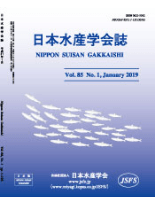
NIPPON SUISAN GAKKAISHI
Pioneering the Future of Fisheries and Aquatic BiologyNIPPON SUISAN GAKKAISHI, published by the Japanese Society of Fisheries Science, is a prestigious journal with a long history dating back to its inaugural issue in 1932. This journal, which spans key contributions to the field of Aquatic Science, serves as a vital platform for the dissemination of important research findings related to fisheries and aquatic biology, fostering knowledge and innovation in Japan and beyond. Although it is not an open-access publication, its rigorous peer-review process ensures the quality and integrity of the articles published. The journal is currently listed in the Q4 category for Aquatic Science according to the 2023 metrics, placing it within a niche but significant corner of the research landscape. With an ISSN of 0021-5392 and E-ISSN of 1349-998X, it continues to provide essential insights that benefit researchers, professionals, and students alike, highlighting advancements and challenges within aquatic ecosystems over a converged year span that continues to evolve through to 2024.
CORAL REEFS
Fostering Global Collaboration in Aquatic ResearchCORAL REEFS is a prestigious academic journal dedicated to advancing the understanding of coral reef ecosystems and promoting research in aquatic science. Published by SPRINGER, this journal has established itself as a leading platform in the field, with an impressive impact, ranked in the top quartile (Q1) for Aquatic Science in 2023. With its comprehensive focus, CORAL REEFS covers a wide array of topics, including ecology, conservation, and management of coral reefs, making it an essential resource for researchers, professionals, and students alike. The journal has been in continuous publication since 1982 and aims to foster collaboration and innovation among the global scientific community. Although not open access, access options are available through institutional subscriptions, enhancing the dissemination of groundbreaking research. The journal stands out for its contribution to understanding the complex dynamics of aquatic systems, solidifying its role in guiding future research and policy in marine conservation.
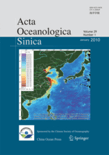
ACTA OCEANOLOGICA SINICA
Navigating the Frontiers of Ocean ResearchACTA OCEANOLOGICA SINICA, published by SPRINGER, stands as a significant voice in the fields of Aquatic Science and Oceanography, contributing vital research and insights since its inception in 1985. With an ISSN of 0253-505X and an E-ISSN of 1869-1099, this journal maintains a strong international focus, delivering high-quality peer-reviewed articles that address pressing marine and freshwater environmental issues. Although it operates under a subscription model, its Q3 ranking in both Aquatic Science and Oceanography demonstrates its solid standing within Scopus, placing it in the 48th and 44th percentiles respectively. The journal aims to foster knowledge exchange and collaboration among researchers, professionals, and students by providing a platform for innovative studies and comprehensive reviews. With a dedicated editorial board and a commitment to advancing scientific understanding, ACTA OCEANOLOGICA SINICA serves as an essential resource for anyone engaged in the study of oceanographic phenomena and aquatic ecosystems.
MARINE AND FRESHWATER RESEARCH
Bridging science and environmental stewardship.Marine and Freshwater Research is a prestigious journal published by CSIRO PUBLISHING that serves as a key platform for the dissemination of cutting-edge research in the fields of Aquatic Science, Ecology, and Oceanography. With an impactful presence since its inception in 1948, the journal provides critical insights into the dynamics of freshwater and marine ecosystems, promoting interdisciplinary approaches that contribute to our understanding of biodiversity and sustainability. Currently ranked in the Q2 category across major scientific domains, including Ecology and Aquatic Science, it enjoys a robust academic reputation supported by impressive Scopus rankings, such as Rank #66/247 in Aquatic Science and Rank #44/145 in Oceanography, reflecting its high citation impact and relevance. While offering a subscription-based access model, the journal remains dedicated to fostering dialogue and innovation within the scientific community, aiming to bridge the gap between research findings and practical applications in environmental management. Located in Australia, Marine and Freshwater Research is an essential resource for researchers, professionals, and students dedicated to exploring the complexities of aquatic ecosystems and advocating for their preservation.

REVISTA DE BIOLOGIA MARINA Y OCEANOGRAFIA
Navigating the Future of Marine BiologyREVISTA DE BIOLOGIA MARINA Y OCEANOGRAFIA is a prominent academic journal dedicated to the fields of marine biology and oceanography, published by the Faculty of Marine Sciences and Natural Resources at Universidad de Valparaíso, Chile. Since its inception in 1996, this journal has been a vital platform for disseminating research findings and advancements in aquatic sciences, covering a breadth of topics relevant to the marine environment. With its current impact positioned within the Q4 quartile of both Aquatic Science and Oceanography categories in 2023, the journal serves as an essential resource for scholars, practitioners, and students alike, aiming to enhance their understanding of marine ecosystems. While the journal does not provide open access options, it continues to contribute valuable insights, helping to foster a deeper appreciation for oceanographic science and marine biodiversity. Located in the scenic city of Viña del Mar, Chile, this publication invites manuscripts that push the boundaries of knowledge and stimulate discourse within the marine sciences community, thereby promoting sustainable management and conservation of oceanic resources.