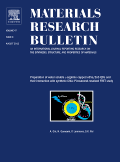
MATERIALS RESEARCH BULLETIN
metrics 2024
Exploring the frontiers of materials science and engineering.
Introduction
MATERIALS RESEARCH BULLETIN is a prestigious journal published by Pergamon-Elsevier Science Ltd, dedicated to advancing the field of materials science and engineering. Since its inception in 1966, the journal has served as a platform for high-impact research, particularly in areas such as condensed matter physics, mechanical engineering, and materials mechanics. With an impressive Q1 ranking in multiple categories, including Condensed Matter Physics and Materials Science, MATERIALS RESEARCH BULLETIN stands out as a leading resource in its domain, aiming to disseminate innovative research findings and methodologies that address fundamental and applied aspects of materials. The journal’s rigorous peer-review process ensures the publication of high-quality articles, making it an essential resource for researchers, professionals, and students alike. With its ongoing commitment to fostering scientific discourse and collaboration, MATERIALS RESEARCH BULLETIN remains at the forefront of materials research, contributing significantly to the global scientific community.
Metrics 2024
 0.925.304.50130
Metrics History
Rank 2024
Scopus
IF (Web Of Science)
JCI (Web Of Science)
Quartile History
Similar Journals

Advanced Powder Materials
Pioneering the Next Generation of Material ApplicationsAdvanced Powder Materials, published by KEAI PUBLISHING LTD, stands at the forefront of research in materials science, particularly focusing on the intricate relationships within powder materials and their applications across several domains including catalysis, ceramics, energy, and coatings. With an Open Access policy initiated in 2022, this journal ensures that cutting-edge findings are readily accessible to researchers, professionals, and students globally. Based in Beijing, China, the journal has gained recognition for its exceptional impact, achieving a prestigious Q1 ranking in multiple categories such as Catalysis, Ceramics and Composites, and Materials Science. The journal not only promotes innovative research but also serves as a vital platform for interdisciplinary collaboration, significantly impacting the fields it covers, which also include notable rankings in Metals and Alloys and Surfaces, Coatings, and Films. By fostering an environment of knowledge sharing, Advanced Powder Materials is poised to make substantial contributions to the scientific community over its converged years from 2022 to 2024.
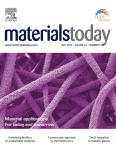
Materials Today
Fostering Collaboration in the World of MaterialsMaterials Today is a premier academic journal published by Elsevier Science Ltd, specializing in the dynamic fields of materials science, mechanical engineering, and condensed matter physics. Established in 1999, the journal has garnered an enviable reputation, consistently ranking in the Q1 category across multiple disciplines including mechanics of materials and general materials science, reflecting its influence and high-quality research output. With an impressive Scopus ranking—4th in both mechanical engineering and mechanics of materials, and 6th in condensed matter physics—Materials Today serves as an essential resource for researchers, professionals, and students seeking to stay at the forefront of developments in material innovations and applications. The journal is known for its commitment to publishing significant research findings and reviews, making it a vital platform for disseminating knowledge and fostering collaboration in the rapidly evolving materials field. Although it does not offer open access, its robust impact factor underscores the importance of the content published, ensuring wide visibility and citation among the academic community. Explore the rich tapestry of materials research with Materials Today, where groundbreaking insights pave the way for future technological advancements.
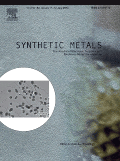
SYNTHETIC METALS
Advancing the Future of Materials Science.SYNTHETIC METALS is a leading academic journal published by Elsevier Science SA, focusing on the interdisciplinary field of materials science with an emphasis on the development and application of synthetic metallic materials. Established in 1979, this esteemed journal offers a platform for innovative research that promotes advancements in condensed matter physics, electronic materials, materials chemistry, and mechanical engineering. With an impressive Q1 ranking in Metals and Alloys and Q2 rankings across various other categories, SYNTHETIC METALS serves as a vital resource for researchers, professionals, and students seeking to explore complex material systems and their applications in industry. Although it does not currently offer open access, the journal's impact is highlighted by its robust Scopus rankings, ensuring high visibility and dissemination of meaningful research outcomes. As it progresses through its convergence period to 2024, SYNTHETIC METALS remains dedicated to advancing knowledge and fostering scientific inquiry in the field of materials science.

Nano Materials Science
Unleashing Innovation in Materials Science.Nano Materials Science is a premier open-access journal dedicated to the dissemination of groundbreaking research in the fields of nanotechnology, materials science, and chemical engineering. Published by KEAI PUBLISHING LTD, this journal has quickly established itself as a leading platform in its area since its inception in 2019, with impressive rankings in the Scopus database, holding a Q1 position across multiple categories, including Chemical Engineering and Materials Science. Based in Beijing, China, Nano Materials Science provides researchers and practitioners access to a wealth of high-quality peer-reviewed articles, fostering innovation and collaboration within the scientific community. With its impact factor steadily rising and a commitment to open access, the journal aims to bridge the gap between theoretical research and practical applications, making it an essential resource for professionals and students eager to stay at the forefront of materials research and nanotechnology advancements.
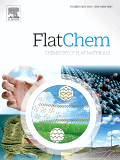
FlatChem
Elevating Knowledge Exchange in Surfaces, Coatings, and FilmsFlatChem, an esteemed journal published by ELSEVIER, serves as a premier platform for disseminating high-quality research in the dynamic fields of ceramic and composite materials, electronic and optical materials, materials chemistry, and surfaces, coatings, and films. Since its inception in 2017, the journal has garnered a robust reputation, evidenced by its rank in the top quartile (Q1) across multiple categories, including a commendable rank of #25/127 in Ceramics and Composites and #49/284 in Electronic, Optical and Magnetic Materials. With a focus on pioneering advancements and innovative methodologies, FlatChem not only highlights cutting-edge research but also promotes collaboration and knowledge exchange within the scientific community. The journal’s impact is underscored by its impressive rankings in Scopus, marking it as a vital resource for researchers, professionals, and students aiming to stay at the forefront of materials science. As an open-access journal, it ensures that groundbreaking findings are readily accessible, fostering a broader understanding and application of materials innovation worldwide. The journal is based in the Netherlands, with its headquarters located at RADARWEG 29, 1043 NX AMSTERDAM, NETHERLANDS. Join the vibrant community contributing to FlatChem and engage with the forefront of material advancements.

CHINESE JOURNAL OF INORGANIC CHEMISTRY
Pioneering Innovative Research in Inorganic MaterialsThe CHINESE JOURNAL OF INORGANIC CHEMISTRY, published by the esteemed CHINESE CHEMICAL SOC, stands as a pivotal resource for researchers and professionals in the field of inorganic chemistry. With an ISSN of 1001-4861, this journal has been disseminating cutting-edge research since its establishment in 1996 and continues to influence the scientific community with its commitment to high-quality publications. Although currently classified in the Q4 quartile for Inorganic Chemistry and ranked 70th out of 79 in its category according to Scopus, the journal serves as a platform for innovative studies that push the boundaries of inorganic materials and compounds. While it operates on a traditional access model, the journal is dedicated to fostering scientific discourse and collaboration among scholars in China and beyond, making it an essential reference for anyone involved in inorganic chemistry research.
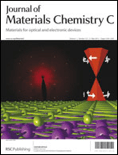
Journal of Materials Chemistry C
Exploring Breakthroughs in Materials ChemistryJournal of Materials Chemistry C, published by the renowned Royal Society of Chemistry, is a leading academic journal focusing on innovative research in the field of materials chemistry. With an impressive impact factor, this journal has solidified its status as a top-tier publication within its field, ranking in the Q1 category for both Chemistry (miscellaneous) and Materials Chemistry as of 2023. Positioned at the forefront of -materials science, it serves as a vital platform for researchers, professionals, and students to disseminate findings that highlight the synthesis, characterization, and application of advanced materials. The journal's open access model allows for broader readership and engagement, ensuring that groundbreaking research is accessible to a global audience. As a result, the Journal of Materials Chemistry C plays a crucial role in advancing the understanding and technology of materials, fostering collaboration and innovation within this dynamic scientific community.
Materials Science and Engineering B-Advanced Functional Solid-State Materials
Transforming Ideas into Innovative Materials SolutionsMaterials Science and Engineering B: Advanced Functional Solid-State Materials, published by Elsevier, stands as a pivotal platform in the realm of materials science, focusing on the development and characterization of advanced solid-state materials. With an ISSN of 0921-5107 and E-ISSN of 1873-4944, this journal operates out of the United Kingdom and addresses critical issues in condensed matter physics, mechanical engineering, and mechanics of materials. Its consistent recognition, evident in its Q2 quartile rankings across multiple engineering and physics categories and a respectable scope of convergence from 1988 to 2024, signifies its substantial contribution to the field. Researchers and professionals seeking a venue for cutting-edge work will appreciate the journal's commitment to advancing knowledge in functional materials, with its open access features ensuring that innovative findings are readily accessible. Join a community of leading scholars engaging with the latest advancements, shaping the future of materials science.
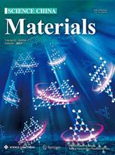
Science China-Materials
Innovating Tomorrow's Materials, Today.Science China-Materials is an esteemed peer-reviewed journal dedicated to advancing the field of materials science, published by SCIENCE PRESS. With a strong focus on innovative research and applications, this journal provides an essential platform for disseminating groundbreaking findings in materials development, characterization, and engineering. Since its inception, Science China-Materials has achieved an impressive Q1 ranking in the Materials Science (miscellaneous) category, reflecting its commitment to quality and the impact of its publications, as indicated by its 86th percentile ranking in Scopus. The journal is set to converge its contributions from 2016 to 2024, making it a vital resource for researchers and professionals interested in the latest advancements and trends in materials science. As an open access publication, it ensures that knowledge is freely available to a global audience, promoting collaboration and innovation across disciplines. The journal is headquartered in Beijing, China, and continues to attract high-quality submissions from leading experts in the field.
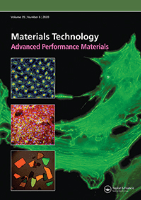
MATERIALS TECHNOLOGY
Transforming Ideas into Material SolutionsMATERIALS TECHNOLOGY is a prestigious academic journal published by Taylor & Francis Ltd, based in the United Kingdom. With an ISSN of 1066-7857 and an E-ISSN of 1753-5557, this journal has established itself as a vital resource in the fields of Condensed Matter Physics, Materials Science, Mechanical Engineering, and Mechanics of Materials, earning a Q2 ranking in multiple categories as of 2023. With a rich publication history that dates back to the early 1970s, it serves as an essential platform for disseminating innovative research and developments in materials technology. Although not available through Open Access, the journal continues to attract contributions from leading researchers, ensuring high-quality articles that advance knowledge in the materials domain. The journal's commitment to excellence is reflected in its notable Scopus rankings, placing it within the 70th to 78th percentiles across several engineering and physics categories. As a vital resource for researchers, professionals, and students alike, MATERIALS TECHNOLOGY plays a critical role in shaping the future of materials science and engineering.