SYNTHETIC METALS
metrics 2024
Transforming Ideas into Advanced Material Solutions.
Introduction
SYNTHETIC METALS is a leading academic journal published by Elsevier Science SA, focusing on the interdisciplinary field of materials science with an emphasis on the development and application of synthetic metallic materials. Established in 1979, this esteemed journal offers a platform for innovative research that promotes advancements in condensed matter physics, electronic materials, materials chemistry, and mechanical engineering. With an impressive Q1 ranking in Metals and Alloys and Q2 rankings across various other categories, SYNTHETIC METALS serves as a vital resource for researchers, professionals, and students seeking to explore complex material systems and their applications in industry. Although it does not currently offer open access, the journal's impact is highlighted by its robust Scopus rankings, ensuring high visibility and dissemination of meaningful research outcomes. As it progresses through its convergence period to 2024, SYNTHETIC METALS remains dedicated to advancing knowledge and fostering scientific inquiry in the field of materials science.
Metrics 2024
 0.694.003.40153
Metrics History
Rank 2024
Scopus
IF (Web Of Science)
JCI (Web Of Science)
Quartile History
Similar Journals
Journal of Electrochemical Science and Engineering
Pioneering Knowledge in Electrochemical Technologies.The Journal of Electrochemical Science and Engineering, published by the International Association of Physical Chemists (IAPC), serves as a vital resource for researchers and professionals in the fields of electrochemistry, materials chemistry, and chemical engineering. With an Open Access model since 2011, this journal ensures that groundbreaking research is freely accessible to a global audience, promoting collaboration and knowledge sharing. Situated in Croatia, it showcases cutting-edge developments while focusing on applied aspects related to electrochemical technologies. Notably, the journal holds a commendable Scopus ranking, placing it within the Q3 quartile for multiple categories, including Chemical Engineering (miscellaneous) and Electrochemistry. By fostering innovative research and comprehensive reviews, the Journal of Electrochemical Science and Engineering plays a crucial role in advancing the understanding and application of electrochemical processes, making it an indispensable platform for academics and practitioners alike.
SURFACE ENGINEERING AND APPLIED ELECTROCHEMISTRY
Advancing Knowledge in Industrial Surface TechnologiesSURFACE ENGINEERING AND APPLIED ELECTROCHEMISTRY, published by PLEIADES PUBLISHING INC, stands as a pivotal resource in the realms of engineering and materials science. With an ISSN of 1068-3755 and an E-ISSN of 1934-8002, this journal encompasses an extensive scope that includes industrial applications, and innovative surface treatments, fostering advancements in the fields of Industrial and Manufacturing Engineering, Surfaces, Coatings and Films, and Surfaces and Interfaces. Recognized for its contributions, it currently holds a Q3 classification in both Industrial and Manufacturing Engineering and Surfaces, Coatings and Films, alongside a Q4 ranking in Surfaces and Interfaces for the year 2023. Despite its competitive standings, the journal encourages inclusive dialogue and dissemination of research from a global community—making it an essential platform for researchers and professionals dedicated to surface technologies and applied electrochemistry. Potential contributors and readers can expect a comprehensive exploration of techniques and innovations, reinforcing the journal's commitment to bridging theory and practical application in these dynamic fields.
International Journal of Electrochemistry
Exploring the synergy of science and innovation in electrochemistry.The International Journal of Electrochemistry, published by HINDAWI LTD, serves as a premier outlet for cutting-edge research in the expansive field of electrochemistry. With an ISSN of 2090-3529 and an E-ISSN of 2090-3537, this open-access journal has been contributing to the advancement of scientific knowledge since 2011, making its content freely available to researchers, industry professionals, and students around the globe. The journal aims to foster innovation by disseminating high-quality research articles, reviews, and technical notes that encompass a wide range of topics from fundamental electrochemical principles to practical applications in energy storage, sensors, and material development. With a focus on promoting interdisciplinary collaboration and advancing the understanding of electrochemical systems, the International Journal of Electrochemistry is a vital resource for anyone involved in electrochemical research and its applications.
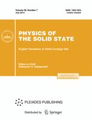
PHYSICS OF THE SOLID STATE
Connecting Academia and Industry through Rigorous ResearchPhysics of the Solid State is a distinguished journal published by Pleiades Publishing Inc., focusing on the rapid advancements and fundamental research in the realms of condensed matter physics, electronic, optical, and magnetic materials. With an ISSN of 1063-7834 and an E-ISSN of 1090-6460, this journal serves as a crucial platform for disseminating high-quality research findings, insights, and reviews essential for both academic and industrial professionals in the field. As of 2023, its Scopus ranking places it in the 26th percentile for both Condensed Matter Physics and Electronic, Optical and Magnetic Materials, reflecting its evolving influence and contribution to the scientific community. Although currently classified in the Q4 quartile, the journal aims to foster interdisciplinary dialogue, improve research visibility, and enhance its impact on contemporary scientific challenges through rigorous peer-reviewed articles and focused special issues. Despite its traditional model of access, it continues to play a pivotal role in engaging researchers and fostering innovation in solid-state physics.
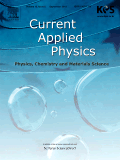
CURRENT APPLIED PHYSICS
Connecting Ideas, Driving Discoveries in Applied Physics.Current Applied Physics is a leading journal published by Elsevier, specializing in the dynamic fields of Physics and Materials Science. With an ISSN of 1567-1739 and an E-ISSN of 1878-1675, this journal focuses on the latest advancements and applications of physics principles in various practical domains. Operating from the innovative hub of Amsterdam, Netherlands, Current Applied Physics occupies a significant niche in the scientific community, evidenced by its Q2 ranking in both the Physics and Astronomy and Materials Science categories for the year 2023, along with impressive Scopus rankings that highlight its relevance in the fields of General Physics and General Materials Science. The journal's scope encompasses a wide range of topics, fostering interdisciplinary collaboration and facilitating the exchange of knowledge among researchers, professionals, and students. Each issue features peer-reviewed articles that contribute to the understanding and application of physical sciences, making it an essential resource for those aiming to stay at the forefront of research and innovation in applied physics.

ACS Applied Electronic Materials
Exploring the Future of Electronic MaterialsACS Applied Electronic Materials, published by the American Chemical Society, is a prominent journal in the field of applied materials science, with a particular focus on electronic, optical, and magnetic materials. Established in 2019, this journal has quickly risen to prominence, achieving a 2023 ranking of Q1 in both Electronic, Optical and Magnetic Materials and Materials Chemistry, as well as Q2 in Electrochemistry, reflective of its high-quality contributions and significant impact within the scholarly community. With an impressive Scopus rank of #22 in Electrochemistry, #59 in Electronic, Optical and Magnetic Materials, and #75 in Materials Chemistry, ACS Applied Electronic Materials serves as an essential resource for researchers, professionals, and students seeking to explore innovative advancements in the field. While the journal is not open access, it offers robust subscription options and aims to foster the dissemination of cutting-edge research articles, reviews, and technical notes that contribute to the understanding and application of electronic materials in various technological contexts. As a platform for pioneering research and cross-disciplinary dialogue, this journal is indispensable for anyone invested in the future of materials science.
Carbon Trends
Driving Progress in Materials ChemistryCarbon Trends is a cutting-edge, openly accessible journal published by ELSEVIER, dedicated to advancing research and discussion in the domains of Chemistry, Materials Chemistry, and Materials Science. Established in 2020, this journal has quickly become a pivotal platform for scientists and researchers to share innovative findings related to carbon materials and their applications. With a solid impact factor and a ranking in the second quartile (Q2) across multiple subject categories, including a percentile standing in the top two-thirds of global publications, Carbon Trends plays an essential role in shaping the future of materials science. The journal’s open access model ensures that valuable research is accessible to a broad audience, facilitating collaboration and knowledge dissemination. Researchers, professionals, and students alike will benefit from the insights and trends published within its pages, guiding them in the rapidly evolving field of carbon sciences.
Portugaliae Electrochimica Acta
Fostering Connections in the Evolving Field of ElectrochemistryPortugaliae Electrochimica Acta is a distinguished journal dedicated to the field of electrochemistry, published by the SOCIEDADE PORTUGUESA ELECTROQUIMICA. With a notable ISSN of 0872-1904, this journal serves as a vital resource for researchers, professionals, and students interested in advancing their understanding of electrochemical processes. Though it is currently categorized in Q4 in the 2023 Electrochemistry rankings, the journal contributes significantly to the academic discourse from its base in Coimbra, Portugal. The journal's timeline spans actively from 2008 to 2025, ensuring a sustained engagement with emerging research. While the journal does not offer open access options, it remains an authoritative source noted for promoting innovative electrochemical research and fostering academic connections within the discipline. Researchers are encouraged to submit their findings and explore the latest contributions to this expanding field.
MATERIALS RESEARCH BULLETIN
Elevating research standards in materials science.MATERIALS RESEARCH BULLETIN is a prestigious journal published by Pergamon-Elsevier Science Ltd, dedicated to advancing the field of materials science and engineering. Since its inception in 1966, the journal has served as a platform for high-impact research, particularly in areas such as condensed matter physics, mechanical engineering, and materials mechanics. With an impressive Q1 ranking in multiple categories, including Condensed Matter Physics and Materials Science, MATERIALS RESEARCH BULLETIN stands out as a leading resource in its domain, aiming to disseminate innovative research findings and methodologies that address fundamental and applied aspects of materials. The journal’s rigorous peer-review process ensures the publication of high-quality articles, making it an essential resource for researchers, professionals, and students alike. With its ongoing commitment to fostering scientific discourse and collaboration, MATERIALS RESEARCH BULLETIN remains at the forefront of materials research, contributing significantly to the global scientific community.
Materials Chemistry Frontiers
Exploring the Future of Materials ScienceMaterials Chemistry Frontiers, published by the esteemed Royal Society of Chemistry, stands as a leading journal in the realm of materials science and chemistry, with an impressive Q1 ranking in both Materials Chemistry and Materials Science categories as of 2023. This open-access journal, operating from the United Kingdom, offers a platform for researchers, professionals, and students to disseminate high-quality, impactful research. With its E-ISSN 2052-1537, the journal is dedicated to publishing cutting-edge articles, reviews, and research communications that explore innovative materials and their applications, fostering a comprehensive understanding of the complex interplay between materials and their chemical properties. With consistent rankings in the Scopus metrics, being positioned at the 25th percentile among 317 in the Materials Chemistry category, it highlights its pivotal role in advancing the field. The journal thrives on contributions that broaden the scope of knowledge from 2017 to 2024 and beyond, solidifying its status as an essential resource for contemporary research in materials science.