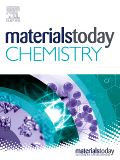
Materials Today Chemistry
metrics 2024
Catalyzing Discoveries in Advanced Materials
Introduction
Materials Today Chemistry, published by Elsevier Science Ltd, is a leading journal in the field of materials science, with a primary focus on innovative research and advancements in chemistry relating to materials. Operating under ISSN 2468-5194, the journal has made a significant impact in various specialized areas such as biomaterials, catalysis, colloid and surface chemistry, and polymers, achieving a Q1 ranking across these categories in 2023. With its commitment to high-quality, peer-reviewed content, Materials Today Chemistry serves as an essential platform for researchers, professionals, and students aiming to stay at the forefront of materials research. The journal provides an open access model, enabling wide dissemination of research findings and fostering collaboration among the scientific community. Its esteemed ranking on Scopus, including a remarkable percentile position in materials chemistry and catalysis, underscores its importance in advancing the understanding and application of novel materials. Whether you're delving into cutting-edge synthesis techniques or exploring the latest in materials applications, Materials Today Chemistry remains a pivotal resource for breakthrough discoveries and pivotal insights in the realm of materials science.
Metrics 2024
 1.246.707.1061
Metrics History
Rank 2024
Scopus
IF (Web Of Science)
JCI (Web Of Science)
Quartile History
Similar Journals
ChemNanoMat
Pioneering Discoveries in Biomaterials and EnergyChemNanoMat is a prestigious academic journal published by WILEY-V C H VERLAG GMBH, dedicated to the rapidly evolving fields of nanoscale materials and their applications in diverse areas such as biomaterials, energy engineering, and environmental sustainability. With the journal's ISSN 2199-692X and recognized quality, as evidenced by its Q2 rankings across multiple categories—including Biomaterials and Renewable Energy—ChemNanoMat serves as a crucial platform for researchers, professionals, and students to disseminate their findings and foster collaborations. Operating from Germany, the journal encourages the exploration of innovative materials solutions to meet tomorrow's challenges. While it does not currently offer open access options, it remains highly regarded in the academic community with a competitive impact factor that emphasizes its relevance and influence in guiding future research directions. Covering a broad scope from 2015 through 2024, ChemNanoMat is key for anyone invested in the advancement of materials chemistry and related scientific fields.
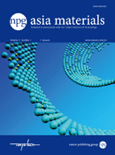
NPG Asia Materials
Elevating the Discourse on Material Properties and InnovationsNPG Asia Materials, a premier journal published by NATURE PORTFOLIO, stands at the forefront of research in the fields of condensed matter physics, materials science, and modeling and simulation. With an impressive Impact Factor gracing its Q1 rankings in 2023, this open-access journal, established in 2012, offers a vital platform for disseminating high-quality research articles, reviews, and perspectives that advance the understanding of material properties and innovative applications. Based in the United States and catering to a global audience, NPG Asia Materials features cutting-edge contributions that not only enhance academic scholarship but also provoke discussions relevant to both industry and academia. Researchers, professionals, and students are invited to explore its extensive archive of work, covering insights from 2009 to 2024, in a bid to stay abreast of the latest developments in these rapidly evolving scientific domains.
ACS Materials Au
Showcasing the Best in Biomaterials and BeyondACS Materials Au, published by the American Chemical Society, is a premier open-access journal that has been at the forefront of materials science since its inception in 2021. With an ISSN of 2694-2461, this journal encompasses an expansive range of topics including biomaterials, electronic, optical and magnetic materials, materials chemistry, and polymers and plastics, consistently achieving Q1 rankings in these categories for 2023. The journal is based in the United States and operates from the AMS's headquarters in Washington, DC, offering significant visibility and a robust platform for researchers. The journal's commitment to open access ensures wide dissemination of groundbreaking research, enabling a diverse audience—including researchers, professionals, and students—to engage with the latest advancements in materials science. With an encouraging impact factor and a focus on novel materials and innovative applications, ACS Materials Au stands as a vital resource for anyone devoted to understanding and advancing the frontiers of materials engineering and science.
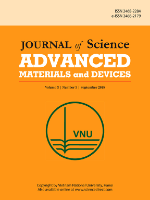
Journal of Science-Advanced Materials and Devices
Empowering Discoveries in Advanced Materials and DevicesJournal of Science-Advanced Materials and Devices is a leading open-access journal published by Vietnam National University, dedicated to advancing the field of materials science through cutting-edge research and innovative developments. Since its inception in 2016, this journal has become a pivotal platform for sharing insights and discoveries in various subfields, including biomaterials, ceramics and composites, and electronic, optical, and magnetic materials. With impressive quartile rankings, including Q1 across multiple categories in 2023, and a notable Scopus ranking placing it in the top 15th percentile for ceramics and composites, it highlights the journal’s influence and prestige within the global academic community. Open Access since its launch, the journal aims to facilitate unrestricted dissemination of scholarly work, empowering researchers, professionals, and students to engage with the latest advancements. The Journal of Science-Advanced Materials and Devices is vital for those seeking high-quality contributions that influence both theoretical understanding and practical applications in the ever-evolving landscape of materials science.
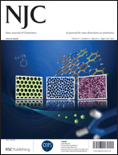
NEW JOURNAL OF CHEMISTRY
Connecting Ideas, Transforming ChemistryNEW JOURNAL OF CHEMISTRY, published by the prestigious Royal Society of Chemistry, serves as a vital platform for the dissemination of research in the dynamic fields of chemistry, catalysis, and materials science. With an impressive ISSN of 1144-0546, this journal boasts a rich history, having been established in 1996, and is set to continue its impactful publication through 2024. The journal is recognized in several categories, achieving a Q2 ranking in both chemistry and materials chemistry, and a Q3 rank in catalysis, reflecting its significance within these disciplines. Researchers will find it particularly noteworthy that the journal holds an esteemed position in the Scopus rankings, with a 65th percentile standing in general chemistry. Though it currently operates on a subscription model, its commitment to advancing the frontiers of chemistry makes it an essential resource for academics, professionals, and students seeking to keep abreast of the latest advancements and innovative methodologies in their fields.
ADVANCED FUNCTIONAL MATERIALS
Transforming Ideas into Advanced Functional SolutionsADVANCED FUNCTIONAL MATERIALS is a leading journal published by WILEY-V C H VERLAG GMBH, prominently recognized in the fields of biomaterials, chemistry, condensed matter physics, and materials science. With an impressive impact factor and a distinguished position in the Q1 quartile across multiple categories including nanoscience and nanotechnology, this journal serves as a vital platform for researchers and professionals committed to innovating in functional materials. Since its inception in 2000, ADVANCED FUNCTIONAL MATERIALS has published high-quality peer-reviewed articles that push the boundaries of materials science, exploring new frontiers in electronic, optical, and magnetic materials. The journal's dedication to open access ensures that its groundbreaking findings are readily available to a global audience, fostering collaboration and knowledge-sharing among scholars and practitioners in the field. For those seeking to stay at the forefront of materials research, ADVANCED FUNCTIONAL MATERIALS is an essential resource.
SusMat
Empowering Change through Sustainable Material ScienceSusMat is a pioneering open access journal published by WILEY, with an ISSN of 2766-8479 and E-ISSN of 2692-4552, dedicated to advancing knowledge in the field of sustainable materials and technologies. Launched in 2021, SusMat aims to provide a vibrant platform for researchers, professionals, and students from interdisciplinary backgrounds to explore and disseminate innovative materials and strategies that promote sustainability. With an emphasis on high-quality, peer-reviewed research, this journal contributes to the growing body of literature essential for addressing contemporary environmental challenges. Furthermore, the open access format enhances accessibility and dissemination of knowledge, encouraging broader engagement and collaboration within the scientific community. Discover the future of sustainable materials at SusMat, where impactful research meets global sustainability goals.
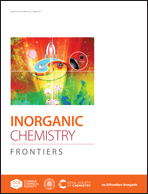
Inorganic Chemistry Frontiers
Unlocking Innovations in Inorganic ChemistryInorganic Chemistry Frontiers, published by the esteemed Royal Society of Chemistry, stands at the forefront of advancements in the field of inorganic chemistry, boasting a prestigious Q1 ranking in its category as of 2023 and an impressive Scopus Rank of #3 out of 79, placing it in the 96th percentile. Since its inception in 2014, this journal has provided a robust platform for high-quality research that spans the diverse and rapidly evolving areas of inorganic chemistry. As an open-access journal, it ensures that the findings presented are readily accessible to researchers, educators, and practitioners globally, fostering an inclusive environment for the dissemination of knowledge. With its rigorous peer-review process, Inorganic Chemistry Frontiers aims to facilitate interdisciplinary dialogue and innovation, making it an essential resource for anyone dedicated to exploring the myriad applications and theoretical advancements within inorganic chemistry.
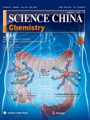
Science China-Chemistry
Innovating Chemistry for a Global AudienceScience China-Chemistry, published by SCIENCE PRESS, stands as a leading journal in the field of chemistry, specifically recognized for its contributions in miscellaneous chemistry domains. With an impressive Q1 categorization in the 2023 quartiles and ranking at #35/408 in general chemistry by Scopus, this journal places itself within the top 91st percentile, showcasing its significant impact in the discipline. The journal, based in Beijing, China, provides a platform for innovative research, reviews, and insights that cater to an international audience of researchers, professionals, and students dedicated to advancing chemical science. As an open-access journal, it ensures widespread dissemination of knowledge, making cutting-edge research accessible to all. With converged years from 2010 to 2024, the journal continues to be a vital resource for those engaged with the latest developments in chemistry.
Small Science
Advancing the Frontiers of Catalysis and Materials ScienceSmall Science is an esteemed open-access journal published by WILEY, dedicated to pioneering research in the realms of catalysis, materials science, and chemical engineering. Established in 2021, this journal has rapidly gained recognition, ranking in the top quartiles (Q1) in various categories, including a remarkable 17th position in Materials Science and 8th in Chemical Engineering on Scopus. With an impact factor reflective of its growing influence and a commitment to disseminating cutting-edge knowledge, Small Science serves as a crucial platform for researchers, professionals, and students seeking to explore the latest advancements and applications in these dynamic fields. The journal's open-access model ensures wide reach and accessibility, facilitating collaboration and innovation across disciplines. Its headquarters are located in the United States, at 111 River St, Hoboken, NJ, supporting a global readership keen on addressing contemporary scientific challenges and driving progress in technology and materials synthesis.