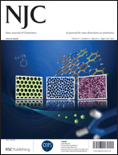
NEW JOURNAL OF CHEMISTRY
metrics 2024
Elevating Knowledge in Chemistry and Beyond
Introduction
NEW JOURNAL OF CHEMISTRY, published by the prestigious Royal Society of Chemistry, serves as a vital platform for the dissemination of research in the dynamic fields of chemistry, catalysis, and materials science. With an impressive ISSN of 1144-0546, this journal boasts a rich history, having been established in 1996, and is set to continue its impactful publication through 2024. The journal is recognized in several categories, achieving a Q2 ranking in both chemistry and materials chemistry, and a Q3 rank in catalysis, reflecting its significance within these disciplines. Researchers will find it particularly noteworthy that the journal holds an esteemed position in the Scopus rankings, with a 65th percentile standing in general chemistry. Though it currently operates on a subscription model, its commitment to advancing the frontiers of chemistry makes it an essential resource for academics, professionals, and students seeking to keep abreast of the latest advancements and innovative methodologies in their fields.
Metrics 2024
 0.522.702.80139
Metrics History
Rank 2024
Scopus
IF (Web Of Science)
JCI (Web Of Science)
Quartile History
Similar Journals
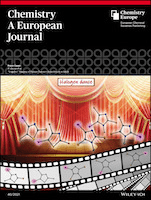
CHEMISTRY-A EUROPEAN JOURNAL
Catalyzing Progress in the Scientific CommunityCHEMISTRY-A EUROPEAN JOURNAL is a premier academic journal published by WILEY-V C H VERLAG GMBH, specializing in the diverse fields of chemistry and catalysis, with a distinguished focus on organic chemistry. Since its inception in 1995, the journal has established itself as an authoritative resource for researchers and professionals, currently classified in Q1 in Chemistry (miscellaneous) and Organic Chemistry, reflecting its high-quality contributions to the scientific community. With an impressive impact factor and robust Scopus rankings—#33 in Organic Chemistry and #26 in Catalysis—this journal serves as a vital platform for disseminating innovative research findings and critical advancements in chemical sciences. Although not an open-access journal, it provides valuable access options for institutions, ensuring wide reach and engagement within the scientific community. As it converges into 2024, CHEMISTRY-A EUROPEAN JOURNAL remains a key resource for anyone dedicated to advancing the frontiers of chemistry research.
JOURNAL OF THE CHINESE CHEMICAL SOCIETY
Showcasing Excellence in Chemical ResearchJOURNAL OF THE CHINESE CHEMICAL SOCIETY, published by WILEY-V C H VERLAG GMBH, is a vital resource in the field of chemistry, focusing on a broad array of topics pertinent to general chemistry and its advancing sub-disciplines. Established in 1954 and running through 2024, this journal serves as a significant platform for the dissemination of high-quality research, showcasing innovative findings and developments within the chemical sciences. With its Q3 category ranking and positioning at Rank #203 in General Chemistry per Scopus, it reflects the journal's commitment to research excellence and impact. While not an open-access publication, it ensures accessibility to a global audience, making it an essential tool for researchers, professionals, and students alike seeking to stay informed and engaged in the evolving landscape of chemistry.
JOURNAL OF THE INDIAN CHEMICAL SOCIETY
Fostering Innovation in Diverse Chemical DisciplinesJournal of the Indian Chemical Society, published by Elsevier, stands as a cornerstone in the field of chemistry, particularly representing the rich chemical research emanating from India.
With a significant history dating back to its establishment, this journal encompasses diverse disciplines including Drug Discovery, Electrochemistry, Inorganic Chemistry, Organic Chemistry, and Physical and Theoretical Chemistry, reflecting the evolving landscape of chemical sciences.
Despite being positioned in the Q3 category across multiple quarters, the journal demonstrates promising rankings in various chemistries, highlighting its commitment to advancing the knowledge and application of chemical sciences. While currently not available as an open access journal, the Journal of the Indian Chemical Society is dedicated to providing a platform for high-quality research that fosters innovation and collaboration among researchers, professionals, and students worldwide.
With its continuous publication from 1973 to the present, it serves as an essential repository for cutting-edge findings and developments in chemistry, striving to connect academia with industry and practice.
JOURNAL OF CHEMICAL SCIENCES
Transforming Chemical Insights into Real-World ApplicationsThe JOURNAL OF CHEMICAL SCIENCES, published by the Indian Academy of Sciences, is a premier academic journal that serves the global community of chemists and researchers. With an ISSN of 0974-3626 and an E-ISSN of 0973-7103, this journal is pivotal in disseminating high-quality research across diverse areas of chemical sciences. As of 2023, it holds a respectable Q3 ranking in the field of Chemistry (miscellaneous) and ranks #215 out of 408 in General Chemistry according to Scopus, reflecting its commitment to advancing the discipline. Operating in an open-access format, the journal ensures that research findings are readily accessible to a broader audience, fostering collaboration and innovation. Established in 1980 and continuing to evolve, the journal's scope encompasses fundamental and applied chemistry, and aims to bridge gaps between theoretical and practical applications. With a mission to support the scientific community, the JOURNAL OF CHEMICAL SCIENCES is an essential resource for researchers, professionals, and students alike, providing a platform for the exchange of groundbreaking ideas and discoveries.
RUSSIAN CHEMICAL BULLETIN
Advancing the Frontiers of Chemistry.RUSSIAN CHEMICAL BULLETIN, published by SPRINGER, serves as a pivotal resource in the field of general chemistry, covering a wide array of topics that impact both theoretical and applied chemistry. With an ISSN of 1066-5285 and a presence since 1993, this journal provides a platform for disseminating significant research findings, practical applications, and novel methodologies within the broader chemistry community. While it currently holds a Q3 ranking in the Chemistry (miscellaneous) category and occupies the 230th position out of 408 in the Scopus rankings, its reputation continues to grow, fostering collaboration and innovation among researchers and professionals alike. Although the journal does not offer an open-access model, it is committed to making findings accessible within the academic community, ensuring that valuable insights can inform future research. With an anticipated convergence of studies extending to 2024, the RUSSIAN CHEMICAL BULLETIN remains an essential reference for those dedicated to advancing chemical science.
TETRAHEDRON
Advancing the frontiers of chemistry and biochemistry.TETRAHEDRON, published by Pergamon-Elsevier Science Ltd, is a leading peer-reviewed journal that has been pivotal in advancing the fields of Biochemistry, Drug Discovery, and Organic Chemistry since its inception in 1957. With an ISSN of 0040-4020 and an E-ISSN of 1464-5416, this journal provides a platform for the dissemination of cutting-edge research and innovative methodologies that contribute significantly to the scientific community. Recognized for its rigorous editorial standards, TETRAHEDRON has been categorized in the Q3 quartile for 2023 across its relevant fields, reflecting its solid impact within the scientific sphere. Despite the current absence of Open Access options, the journal continues to engage a diverse readership, offering invaluable insights and advancements that fuel both academic and industrial applications. With an ongoing commitment to excellence, TETRAHEDRON remains an essential resource for researchers, professionals, and students aiming to stay at the forefront of chemistry and biochemistry research.
Journal of Saudi Chemical Society
Elevating Research Standards in the Chemistry Community.The Journal of Saudi Chemical Society, published by ELSEVIER, stands as a premier platform for advancing knowledge in the field of chemistry. Since its inception in 2009, this Open Access journal has garnered significant attention, securing a prestigious Q1 ranking in the Chemistry (miscellaneous) category for 2023, reflecting its position among the top journals in the discipline. With an impressive Scopus ranking of #66 out of 408 in General Chemistry, this journal boasts a commendable 83rd percentile, underscoring its impact and relevance in the global research community. The journal aims to disseminate high-quality research articles, reviews, and case studies, fostering innovation and collaboration among chemists and allied professionals. By enabling widespread access to cutting-edge research, the Journal of Saudi Chemical Society plays a crucial role in supporting the educational and professional development of students, researchers, and practitioners alike, making it an essential resource for anyone invested in the dynamic field of chemistry.
CHINESE CHEMICAL LETTERS
Pioneering Research for Tomorrow's Chemical Challenges.CHINESE CHEMICAL LETTERS, published by Elsevier Science Inc, is a premier journal in the field of chemistry, notably recognized for its focus on innovative research in multidisciplinary areas of the discipline. With its ISSN 1001-8417 and E-ISSN 1878-5964, this journal has established itself as a valuable resource for academics since its inception in 1996, with coverage extending to 2024. Categorized in the top tier (Q1) for Chemistry (miscellaneous), it ranks an impressive #37 out of 408 in Scopus's General Chemistry category, reflecting its significant influence and contribution to the field, with a remarkable 91st percentile ranking. Though it does not currently offer open access, CHINESE CHEMICAL LETTERS remains accessible to researchers through institutional subscriptions and provides crucial insights and advancements in chemical research, making it an essential publication for professionals and students aiming to stay at the forefront of chemical sciences.
PHOSPHORUS SULFUR AND SILICON AND THE RELATED ELEMENTS
Unlocking the Secrets of Key Chemical ElementsPHOSPHORUS SULFUR AND SILICON AND THE RELATED ELEMENTS, published by Taylor & Francis Ltd, is a distinguished journal dedicated to advancing knowledge in the fields of Biochemistry, Inorganic Chemistry, and Organic Chemistry. Established in 1989, the journal has carved a niche in the scientific community by offering a platform for the publication of innovative research that explores the chemistry and applications of phosphorus, sulfur, silicon, and related elements. With an ISSN of 1042-6507 and an E-ISSN of 1563-5325, this journal provides access to valuable insights, albeit without open access options. Despite being positioned in the fourth quartile of its categories (Q4), it remains an essential resource for researchers, professionals, and students seeking to expand their understanding of these pivotal elements and their interactions. With a publishing horizon extending to 2024, the journal invites contributions aimed at pushing the boundaries of chemistry and fostering interdisciplinary dialogue.

CCS Chemistry
Fostering Collaboration in the Chemical Sciences CommunityCCS Chemistry, published by the esteemed Chinese Chemical Society, is a leading open-access journal dedicated to advancing the field of chemistry. Since its inception in 2019, the journal has rapidly gained recognition, achieving a remarkable impact factor that places it in the prestigious Q1 category in Chemistry (Miscellaneous) as of 2023. With a Scopus ranking of #41 out of 408 in General Chemistry, CCS Chemistry represents the top 10th percentile in its category, reflecting its commitment to high-quality research and innovation. The journal serves as a vital platform for researchers and professionals to share their findings, showcase cutting-edge methodologies, and engage with the latest developments in various chemistry subfields. Accessible to a global audience, CCS Chemistry ensures that groundbreaking research is available without barriers, making it an indispensable resource for students and academics aiming to stay at the forefront of chemical sciences. For further details, submissions, and access to published articles, please visit the journal's website.