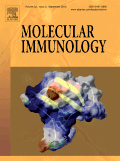
MOLECULAR IMMUNOLOGY
metrics 2024
Exploring the Dynamics of Immune Responses
Introduction
MOLECULAR IMMUNOLOGY, published by Pergamon-Elsevier Science Ltd in the United Kingdom, is a highly regarded journal in the fields of Immunology and Molecular Biology. With a focus on advancing the understanding of the immune system at the molecular level, the journal has been a critical resource since its inception in 1975. The journal is currently listed in the second quartile (Q2) of its category as per the 2023 rankings, indicating its substantial impact in both Immunology and Molecular Biology research. Researchers and professionals benefit from the journal's rigorous peer-review process and its commitment to publishing high-quality original research, reviews, and methodological studies that explore the intricate dynamics of immune responses. Although it does not currently offer an open access option, MOLECULAR IMMUNOLOGY remains an essential platform for scholars, emphasizing the significance of molecular interactions within the immune system and their implications in health and disease.
Metrics 2024
 0.893.203.60149
Metrics History
Rank 2024
Scopus
IF (Web Of Science)
JCI (Web Of Science)
Quartile History
Similar Journals
INTERNATIONAL IMMUNOLOGY
Unveiling Innovations in Immunology for Global Impact.INTERNATIONAL IMMUNOLOGY, published by OXFORD UNIV PRESS, stands out as a premier journal in the field of immunology, providing a vital platform for disseminating groundbreaking research and innovative developments within the discipline. With an impressive Q1 ranking in Immunology and Allergy, as well as in Medicine (miscellaneous), it consistently showcases high-impact studies that contribute to the advancement of immunological knowledge. The journal spans over three decades, from its inception in 1989 to its ongoing contributions as of 2024, thus solidifying its reputation in the scientific community. Researchers, professionals, and students will find valuable articles that delve into the complexities of immune responses, therapeutic interventions, and emerging immunological paradigms, ensuring INTERNATIONAL IMMUNOLOGY remains at the forefront of knowledge in the life sciences.
NATURE IMMUNOLOGY
Connecting researchers to the forefront of immune system studies.NATURE IMMUNOLOGY is a premier academic journal published by NATURE PORTFOLIO, dedicated to advancing the field of immunology. With an impressive impact factor that reflects its esteemed position, this journal ranks in the top quartile (Q1) of renowned categories, including Immunology and Allergy. Serving as a crucial platform for researchers, professionals, and students, NATURE IMMUNOLOGY showcases cutting-edge research, comprehensive reviews, and insightful perspectives that drive innovation in immunological science. Based in the United Kingdom, this journal has been a vital contributor to the global discourse on immune responses and related diseases since its inception in 2000. Researchers can benefit from its rigorous peer-review process, ensuring that only high-quality studies are disseminated, thus enhancing their academic pursuits and practical applications. Explore the latest findings and trends within this flourishing discipline, making NATURE IMMUNOLOGY an essential resource for anyone engaged in the study of the immune system.
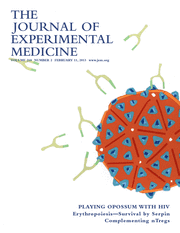
JOURNAL OF EXPERIMENTAL MEDICINE
Innovating Solutions for Tomorrow's Health ChallengesJOURNAL OF EXPERIMENTAL MEDICINE, published by Rockefeller University Press, is a renowned peer-reviewed journal dedicated to advancing the field of experimental medicine since its inception in 1896. With an impressive impact factor and categorized in the Q1 quartile for Immunology, Immunology and Allergy, and Miscellaneous Medicine, this journal stands at the forefront of medical research and innovation. It provides a prestigious platform for scholars and practitioners to disseminate groundbreaking findings that drive the understanding of disease mechanisms and therapeutic strategies. While the journal is not open access, it maintains high visibility and engagement within the scientific community, fostering collaboration among researchers, professionals, and students alike. The journal's consistent ranking in the top percentiles of Scopus illustrates its significant impact and commitment to excellence in medical research.
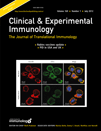
CLINICAL AND EXPERIMENTAL IMMUNOLOGY
Pioneering Discoveries in Immunology and AllergyClinical and Experimental Immunology, published by Oxford University Press, is a premier journal that has been a cornerstone in the field of immunology since its inception in 1966. With an ISSN of 0009-9104 and an E-ISSN of 1365-2249, this journal holds a significant position in academic research, currently ranking in the Q2 category for both Immunology and Allergy (2023). Its impactful contributions are reflected in its Scopus rankings, where it stands at Rank #63 out of 233 in Immunology and Allergy, placing it in the 73rd percentile, and Rank #73 out of 236 in Immunology and Microbiology. Researchers, healthcare professionals, and students will find this journal an invaluable resource for cutting-edge studies, reviews, and clinical advancements in the ever-evolving domain of immunology. While the publication does not offer open-access options, it remains a pivotal platform for disseminating knowledge that impacts both clinical practice and experimental research.
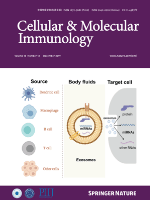
Cellular & Molecular Immunology
Advancing Immunological FrontiersCellular & Molecular Immunology is a prestigious peer-reviewed journal published by the CHIN SOCIETY IMMUNOLOGY. As a leading journal in the fields of immunology and infectious diseases, it proudly holds a Q1 designation across multiple categories, including Immunology, Allergy, and Medicine (Miscellaneous), reflecting its commitment to excellence and impactful research. With an ISSN of 1672-7681 and an E-ISSN of 2042-0226, the journal has been essential reading since its inception in 2004, continuously gathering insights from cutting-edge studies. It ranks impressively within Scopus, with positions in the 7th, 8th, and 9th percentile in relevant categories, establishing it as a cornerstone for researchers, clinicians, and students alike. The journal offers an extensive range of original research articles, reviews, and clinical studies, ensuring that readers stay at the forefront of immunological discovery. Whether you are interested in basic immunology, infectious diseases, or evolving therapies, Cellular & Molecular Immunology serves as an invaluable resource for advancing your knowledge and engagement in this dynamic field.

Genes & Diseases
Bridging the gap between genetics and clinical applications.Genes & Diseases, published by KEAI PUBLISHING LTD, is a premier open-access journal dedicated to advancing the fields of genetics, biochemistry, and molecular biology. Established in 2014 and headquartered in Beijing, China, this journal has quickly risen to prominence, securing a place in the prestigious Q1 quartile in Biochemistry and Genetics (clinical), as well as Q2 in Cell Biology and Q1 in Molecular Biology as of 2023. With a commitment to disseminating cutting-edge research, Genes & Diseases serves as a critical platform for researchers, professionals, and students alike, ensuring that high-quality scientific work is openly accessible to the global community. The journal's exceptional impact is underscored by its selective Scopus rankings, which reflect its influence and relevance in key scientific domains, making it an essential resource for those exploring the intersections of genetics and disease pathology.

IMMUNOBIOLOGY
Connecting researchers to revolutionize the understanding of immune systems.IMMUNOBIOLOGY is a prestigious academic journal published by Elsevier GmbH that significantly contributes to the fields of hematology and immunology. With its ISSN 0171-2985 and E-ISSN 1878-3279, this journal has been disseminating impactful research since 1979, positioning itself at the forefront of immunological and hematological advances. The journal holds a commendable ranking of Q2 in Hematology and Q3 in both Immunology and Immunology and Allergy, indicating its relevance and influence within the scientific community, as reflected by its Scopus rankings. Although IMMUNOBIOLOGY operates under a subscription model, it remains dedicated to expanding knowledge across disciplines, fostering innovative research, and facilitating connections among researchers, professionals, and students. Situated in Munich, Germany, this journal is continually evolving and aims to remain an essential resource for the latest discoveries and insights in the realms of immunity and blood disorders, ultimately enhancing our understanding of complex biological systems.
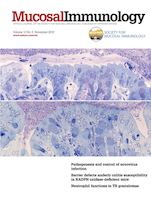
Mucosal Immunology
Advancing the Frontiers of Mucosal ImmunityMucosal Immunology, published by Elsevier Science Inc, is a leading journal dedicated to advancing the field of immunology with a particular focus on mucosal immunity. Since its inception in 2008, the journal has established itself as a premier source of cutting-edge research, evidenced by its impressive Q1 ranking in both Immunology and Allergy for 2023, and its notable positions within the top ranks of Scopus (Rank #21/233 in Immunology and Allergy and Rank #24/236 in Immunology and Microbiology). The journal serves as a vital resource for researchers, professionals, and students aiming to explore the complexities of mucosal immune responses and their implications in health and disease. While it operates under a subscription model, Mucosal Immunology is committed to disseminating quality research globally and enhancing collaborative efforts within the scientific community. Explore the latest findings and connect with influential scholarship in this rapidly evolving field.

CANCER CELL
Where Excellence Meets Cancer ResearchCancer Cell, published by Cell Press, represents a pinnacle of research in the fields of cancer research, cell biology, and oncology. With an impressive Impact Factor and ranking as Q1 in prestigious categories for both 2023 and previous years, this journal stands out as a vital resource for professionals and scholars dedicated to understanding the molecular underpinnings of cancer. Operating from Cambridge, MA, Cancer Cell has been an essential platform for innovative studies since its inception in 2002. Although it is not an Open Access journal, its rigorous peer-review process ensures that only the highest quality research is disseminated to the scientific community. Readers can expect to find a wealth of knowledge ranging from cutting-edge therapies to insights into tumor biology, thereby contributing significantly to the advancement of oncology. With rankings placing it among the top echelons of related fields—#2 in Cancer Research and #6 in Oncology—Cancer Cell is an indispensable reference for anyone committed to the fight against cancer.
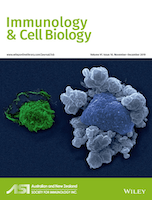
IMMUNOLOGY AND CELL BIOLOGY
Fostering Knowledge in Immunology and Cellular MechanismsIMUNOLOGY AND CELL BIOLOGY, published by Wiley, serves as a prominent platform for disseminating cutting-edge research in the fields of immunology and cell biology. With an ISSN of 0818-9641 and an E-ISSN of 1440-1711, this journal has established itself since its inception in 1987, demonstrating a commitment to advancing knowledge in its disciplines through high-quality articles. Renowned for its rigorous peer-review process, it holds a Q2 quartile ranking in both immunology and cell biology categories as of 2023, showing its competitive stature in these fields. IMUNOLOGY AND CELL BIOLOGY is indexed among the elite journals worldwide, with impressive Scopus rankings, including a rank of #75/233 in Immunology and Allergy. The journal’s comprehensive scope ensures that it caters to an audience of researchers, professionals, and students who are dedicated to exploring the intricate mechanisms of immune responses and cellular interactions. Although it does not operate under an open access model, its subscription-based content remains invaluable for those seeking to broaden their understanding of immunology and cell biology. By providing a forum for significant scientific dialogue, IMUNOLOGY AND CELL BIOLOGY continues to shape the future of research in these vital areas.